
Art teases a significant announcement to be made around midnight, hinting at its importance but choosing to keep the details under wraps until the specified time. Art also mentions upcoming discussions on the controversial HAARP project with Dr. Nick Begich, following an unsatisfying conversation with HAARP’s project manager. This sets the stage for a deeper exploration into the project’s implications and controversies.
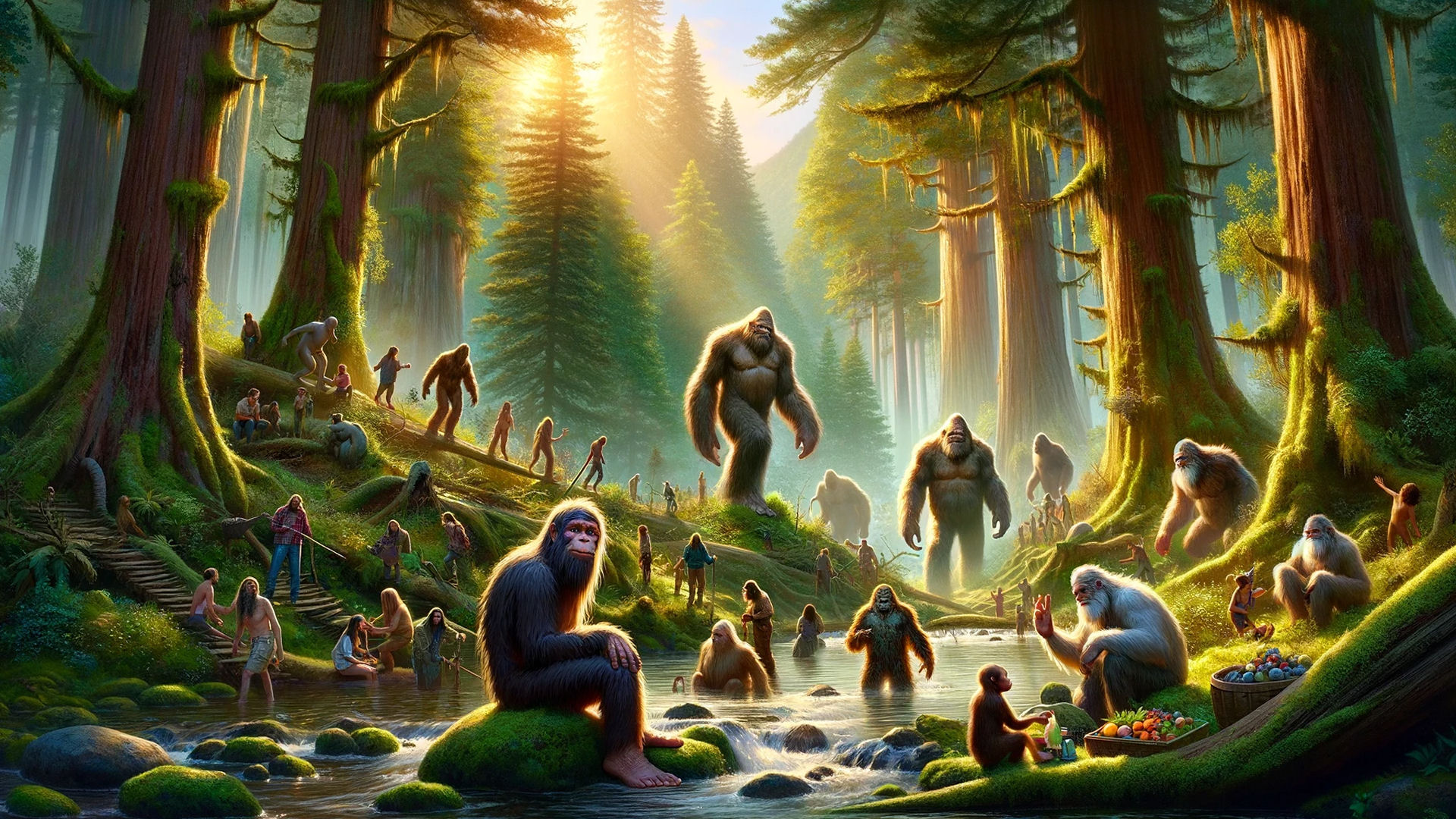
The focus then shifts to the topic of Bigfoot, with Art expressing his long-standing interest in the subject. He introduces Ray Crowe, head of the Western Bigfoot Association in Oregon, who has been moved up in the schedule to discuss Bigfoot. This segment aims to delve into the mysteries surrounding the creature, backed by Crowe’s expertise.
Additionally, Art announces the optimization of the show’s website for mobile users, enhancing accessibility for iPhone and Android users alike. He outlines the benefits of the Coast Insider subscription service, including access to a vast library of past shows and exclusive subscriber features.
Art reflects on broader themes of government awareness and potential complicity in significant events, hinting at a larger, more complex narrative behind such occurrences. He subtly connects these themes to the show’s overarching pursuit of truth and exploration of mysteries, setting the tone for a night of intriguing discussions.
He discusses plans to cover the HAARP project in Alaska, expressing dissatisfaction with a recent conversation with the project’s manager and announcing an upcoming interview with Dr. Nick Begich to delve deeper into the subject. Art shifts focus to the evening’s topic, Bigfoot, introducing Ray Crowe from the Western Bigfoot Association. Ray shares his initial skepticism and accidental discovery of evidence supporting Bigfoot’s existence, emphasizing his cautious approach despite growing interest.
Art and Ray delve into the strategies for researching Bigfoot, emphasizing a non-lethal approach. Ray explains his support for using technology to obtain physical evidence without harming the creature, sharing insights from his experiences and reports received by the Western Bigfoot Society. The conversation touches on ethical considerations, including the debate over whether it would be justifiable to kill a Bigfoot for scientific examination. Ray expresses skepticism toward such actions, highlighting the potential for Bigfoot to have human-like qualities, which could raise moral and legal issues. They discuss the use of tranquilizers and the importance of non-invasive methods for studying Bigfoot, with Ray advocating for observation and interaction over harm. The discussion also covers communication attempts with Bigfoot, suggesting these creatures have a complex form of interaction. Ray shares his theory that Bigfoot could be a relic Homo erectus, sparking a debate on its origins and connection to human evolution.
The conversation further explores the nature and characteristics of Bigfoot, with Ray proposing that early humans, possibly being scavengers rather than hunters, could explain the hairy appearance attributed to Bigfoot sightings. He suggests that Homo erectus, known for its significant size, could be a precursor to modern Bigfoot, challenging the perception of Bigfoot as a mere mythical creature by positing a scientific basis for its existence. This section of the discussion underscores the complexity of categorizing Bigfoot within the known taxonomy, considering its potential as a distinct species with human-like traits. The dialogue then shifts to legal and ethical considerations surrounding Bigfoot, discussing a hypothetical scenario where killing a Bigfoot could be considered a crime, depending on its classification as an ape or human. This legal angle introduces a fascinating dimension to the Bigfoot debate, emphasizing the societal implications of its discovery and the responsibilities of those who seek to prove its existence.
The discussion continues with a mock trial held by the Western Bigfoot Society to explore the legal ramifications of killing a Bigfoot, drawing parallels to the O.J. Simpson trial with its use of DNA evidence and the challenge of proving Bigfoot’s existence beyond anecdotal reports. This trial, despite being a staged event, underscores the complexities surrounding the classification of Bigfoot as either an ape or a human-like being, with implications for both legal and ethical considerations in the pursuit of scientific discovery.
Ray and Art delve into various theories about Bigfoot’s lifestyle, including suggestions of underground societies and even extraterrestrial connections, showcasing the wide range of speculation and interest in the creature. Skepticism remains a theme, with Ray emphasizing the importance of credible evidence over sensational claims.
The segment also introduces an intriguing audio recording of an alleged Bigfoot scream, analyzed and debated for its authenticity and significance. This recording, along with similar sounds reported in different locations, adds to the growing body of evidence suggesting the existence of an unidentified creature with unique vocalizations.
Discussion on the estimated population of Bigfoot sparks further speculation, with estimates based on comparisons to known animal populations suggesting thousands of Bigfoots across the United States. This leads to a broader conversation about Bigfoot’s habitat preferences, challenging the assumption that these creatures reside solely in dense forests and highlighting their potential interactions with human environments.
Ray discusses the interactions between Bigfoot and human communities, highlighting instances where Bigfoot-like creatures have been observed near populated areas, suggesting they may share behaviors with bears in terms of foraging, especially during harsh winters. He mentions a specific instance in Molalla, Oregon, where a resident has been leaving food out for these creatures, leading to increased sightings and reports from what he describes as credible sources. The conversation shifts to scrutinizing various pieces of purported Bigfoot evidence, including a Hollywood film shoot incident and a photograph by Cliff Crook, both of which Ray expresses skepticism about, suggesting the likelihood of hoaxes or misinterpretations. Despite the prevalence of dubious claims, Ray maintains a belief in the existence of Bigfoot, underpinned by a fraction of reports he considers credible. He emphasizes the importance of investigating all reports thoroughly, sharing an anecdote about a mistaken sighting by a state policeman to illustrate the necessity of diligence in distinguishing between genuine and erroneous reports. Upcoming investigations are discussed, including a planned visit to an old mining tunnel in Oregon reported to contain possible Bigfoot-related artifacts and a nest, highlighting the ongoing efforts to understand Bigfoot’s habits and habitats.
Ray discusses potential behaviors and habitats of Bigfoot, suggesting they prefer natural shelters like rock overhangs rather than deep caves. He shares observations on Bigfoot’s possible perception of humans as predators, citing instances of aggressive behavior towards people, which, while rare and hard to substantiate, raises questions about the interaction between humans and these elusive creatures. Ray advises anyone who encounters a Bigfoot to observe calmly and collect as much detail as possible without provoking the creature, emphasizing the importance of being a good witness.
The conversation shifts to the topic of Bigfoot’s conservation status, prompted by a rumor that Dan Rather mentioned Bigfoot being added to the endangered species list. Ray expresses skepticism about the rumor, noting the difficulty of classifying an unproven entity as endangered but acknowledges the debate over whether there is enough evidence of Bigfoot’s existence to warrant such protection. He reflects on the implications of officially recognizing Bigfoot, suggesting that it could lead to increased intrusion into their habitats by scientists and hobbyists alike, which may not be beneficial for the creatures.
The segment concludes with Art Bell planning to feature Ray Crowe in an upcoming episode of “Dreamland” to further discuss Bigfoot, indicating ongoing interest in the topic among his audience. The discussion also returns to the HAARP project, with Bell expressing frustration over the refusal of the project’s manager to participate in his show, setting the stage for future discussions on controversial scientific projects.
Art transitions from discussing Bigfoot to sharing about his book, “The Art of Talk,” which reflects on his life and experiences in talk radio. He mentions his partnership with Paper Chase Press for the publication after considering offers from larger companies, emphasizing the book’s candid nature and its success. Art also announces a book signing event in Portland and discusses a feature on him by the Los Angeles Times, including a photograph negotiation for promotional use. He then shifts to discussing the innovative approach of using approval/disapproval meters during political debates, reflecting on the public’s real-time reactions to candidates’ statements. This segment showcases Art’s varied interests and activities outside the immediate scope of paranormal and unexplained phenomena discussions.
Art discusses the political landscape, focusing on the debates among Republican candidates. He praises Alan Keyes for his articulate and convincing arguments, presenting him as the clear winner in his view. Art notes the performances of other candidates, including Steve Forbes, Lamar Alexander, Pat Buchanan, Bob Dole, and Bob Dornan, offering insights into their public speaking and debate strategies.
The conversation shifts to a controversy involving Pat Buchanan, specifically the resignation of his national co-chairman, Larry Pratt, due to allegations of attending meetings with white supremacist groups. Art explores the implications of this situation for Buchanan’s campaign, reflecting on the media’s role in political controversies and the challenges candidates face in managing their public image and associations.
Art emphasizes the importance of integrity and consistency in political campaigns, questioning Buchanan’s decision to let Pratt go in light of the accusations. He suggests that standing by Pratt could have demonstrated Buchanan’s commitment to his principles, regardless of the political cost.
Art transitions from discussing political debates to addressing controversies surrounding Pat Buchanan, particularly involving Larry Pratt’s attendance at a meeting with white supremacist leaders, which puts Buchanan’s campaign on the defensive. Art expresses concern over how Buchanan handled Pratt’s resignation, suggesting it might not align with the straightforward integrity he associates with Buchanan. The segment then shifts to discussing technological advancements with the U.S. military successfully using a laser to shoot down a missile, highlighting the potential applications and ethical considerations of such technology.
Art continues discussing various topics, including the AIDS epidemic, the scientific debate surrounding the HIV virus as the cause of AIDS, and the controversial position on the drug AZT. He emphasizes compassion for those affected by AIDS, regardless of the cause, highlighting the complexity of the disease and the importance of maintaining a healthy lifestyle to support the immune system. The conversation shifts to listener calls, with discussions on the role of lifestyle and drugs in affecting one’s susceptibility to AIDS, the impact of AIDS drugs on the immune system, and the emergence of new strains of the virus that could change the epidemic. Art also touches on the broader implications of these issues for public health and individual behavior, advocating for continued research and prevention efforts to combat AIDS.
Art discusses the controversy surrounding Pat Buchanan’s campaign and the resignation of Larry Pratt, a national co-chairman associated with Buchanan, due to his attendance at a meeting with white supremacist leaders. This event puts Buchanan’s campaign in a defensive position, reflecting the intense scrutiny political figures face and the impact of associations on public perception. Art then transitions to discussing the alien autopsy footage, engaging with callers about its authenticity and the possibility of it being a hoax. Despite skepticism, Art notes that a photographic expert found it reasonable that the film could be authentic based on its preservation and timing. The conversation shifts to a caller expressing gratitude towards certain groups for their role in political discourse, leading to a broader discussion on Pat Buchanan’s potential impact on the Republican Party and the divisive nature of his politics. Comparisons are made to Ronald Reagan, with arguments about conservatism and extremism within the party. This segment underscores the complexities of political identities and the challenges of maintaining unity within a party amidst controversial stances.
One caller attempts to discuss the interconnectedness of humanity and the significance of numbers, though struggles to articulate his thoughts clearly, leading to a bit of confusion. Another caller introduces the topic of channeling, suggesting a link between this practice and the discussion on Bigfoot, but Art expresses skepticism towards channeling, labeling it as suspect and potentially misleading.
Art shifts focus to a discussion about a recent train wreck in Minnesota, rumored to be an act of sabotage. This leads to a broader conversation about domestic terrorism and its implications for American society. Art expresses concern about the direction in which the country is headed if such acts of violence become commonplace, reflecting on the impact of domestic terrorism on national unity and security.
Art Bell delves into the consequences of domestic terrorism and the potential downfall of the nation if violence becomes a primary tool for change. He emphasizes that if America chooses force over dialogue, it signals a grave future. The discussion then transitions back to politics, focusing on Pat Buchanan’s campaign challenges, especially in light of controversies and the media’s scrutiny. Art shares his views on Buchanan’s political positions, particularly disagreeing with his trade and immigration policies, while also acknowledging Buchanan’s outspoken nature and integrity.
Listeners call in to discuss a variety of topics, including the CNN debate’s innovative audience response system, which Art finds intriguing. He agrees with the caller about the general effectiveness of the system in gauging real-time reactions, humorously suggesting a similar mechanism for his radio show to engage listeners more directly.
Another caller brings up Larry Pratt’s defense on Nightline against accusations of associating with extremist groups, pointing out the absurdity of guilt by association. Art criticizes the logic of linking someone to hate groups merely because those groups attend public speeches, emphasizing the importance of concrete evidence before making such serious allegations.
Art Bell continues to explore the implications of associating with controversial figures and the consequences of public perception in politics, particularly in the context of Pat Buchanan’s campaign and his decision to distance himself from Larry Pratt. Art expresses concern over the potential for misunderstandings and the importance of standing by one’s principles despite public pressure.
The discussion then shifts to a caller’s concern about pit bulls and the debate over breed-specific legislation. The caller emphasizes the recognition of pit bulls by certain kennel clubs and discusses the complexities of defining and regulating the breed. Art reflects on the inherent nature of dogs, suggesting that, just like people, dogs can have innate temperaments, including aggressiveness.
The discussion shifts to concerns about the influence of groups like the Council on Foreign Relations (CFR) on presidential administrations, with a caller expressing skepticism about Buchanan’s ability to avoid the pitfalls of “politics as usual.” This touches on broader anxieties about the loss of national sovereignty and the direction of U.S. foreign policy under different administrations.
Art also confronts a caller’s criticism regarding his handling of interviews related to the Waco siege, defending his approach to controversial topics and emphasizing his commitment to truth and accountability, regardless of the source.
Listeners bring various perspectives to the conversation, with one expressing disappointment in President Clinton’s administration and questioning Art’s political stance. Art clarifies his position as a staunch economic conservative and a mix on social issues, highlighting the importance of the presidential role beyond just being a figurehead. He stresses the significant power vested in a president, especially through veto power and the ability to influence public opinion and legislative direction.
Another caller criticizes Pat Buchanan, labeling him as a “caveman” and out of touch with what the caller perceives as traditional Republican values. Art counters by acknowledging Buchanan’s education and his stance on issues, though he expresses disappointment in Buchanan’s handling of a recent controversy, suggesting it deviates from Buchanan’s usual principled stance.
Art Bell engages in a thoughtful discussion about domestic partnerships and the implications of changing societal norms on legal and economic structures. A caller from San Francisco introduces the topic, suggesting a reevaluation of how domestic partnerships are recognized and legislated, particularly regarding tax implications and societal benefits. The conversation delves into the potential for redefining relationships beyond traditional marriage, including same-sex partnerships and the separation of childbearing from partnership rights.
Art questions the broader implications of such changes, expressing concern about where societal adjustments might lead, especially in terms of recognizing multiple-partner relationships like polygamy. He emphasizes the complexity of altering foundational societal norms and the potential for unforeseen consequences. The discussion highlights the balance between evolving societal values and maintaining certain traditional structures, with Art suggesting that once society begins to redefine relationships, there may be no clear endpoint to the changes.
Immigration policy becomes another point of discussion, with a caller mentioning Pat Buchanan’s proposal for a five-year moratorium on legal immigration. Art agrees with the need for controlled immigration, emphasizing the importance of maintaining the nation’s integrity while being open to the positive aspects of immigration.
Chasing rainbows serves as a metaphorical conclusion to the segment, with Art recounting personal experiences and a caller sharing a mystical encounter with a rainbow, symbolizing the human pursuit of wonder and the unattainable.
A caller from Utah expresses anxiety about the potential for accidents causing widespread harm and speculates on the involvement of various groups, including government agencies, in such events. Art acknowledges the possibility of hotheaded individuals within any group influencing actions that could lead to catastrophic outcomes.
The conversation transitions to a broader reflection on the moral and social fabric of the nation, with Art emphasizing the critical state of America’s foundational values and the dangers of internal division. He warns that continued conflict could lead the country down a path similar to Yugoslavia’s fragmentation.
Switching focus, a caller from Saint Louis brings up the situation between Taiwan and China, arguing that Taiwan is capable of defending itself against Chinese military aggression. Art counters by highlighting the potential for a bloody conflict and the international ramifications of such a confrontation. He stresses the importance of supporting democracy and the complexities of international diplomacy in dealing with China’s assertive stance.
Art Bell wraps up the night’s show with a final call from a listener who simply wishes to say “good night, America,” echoing Art’s own sign-off to his audience.