
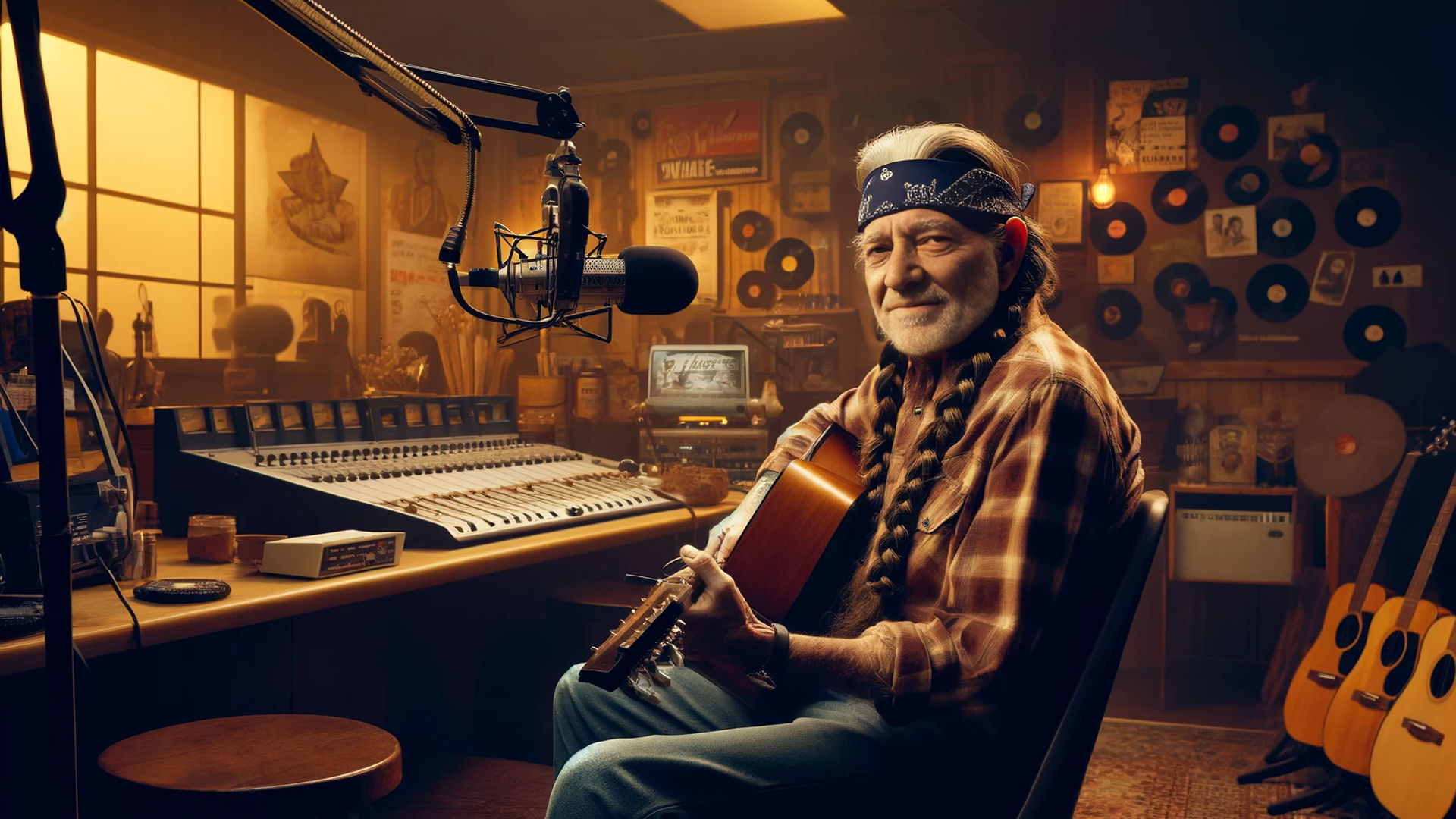
Art Bell welcomed iconic musician Willie Nelson to the show. Broadcasting late into the night, the conversation kicked off with Art describing the wide reach of the show from the Hawaiian Islands to the Caribbean. Willie, who joined the conversation from Atlantic City, shared anecdotes from his life, emphasizing that he felt successful from his early days making music, even as a child. He humorously recounted his long battle with the IRS, which at one point claimed he owed $32 million. Willie’s stories provided a poignant look into the hardships and triumphs of his storied career. The discussion also turned to music, with Art admitting his gradual appreciation for country music, which he grew to love after exposure over time. Willie shared how his driver, Gator, introduced him to Art’s show, highlighting the small yet impactful connections made during his tours.
Willie Nelson reflects on the diverse impacts of women in his life, expressing unwavering admiration and respect. Art Bell shares a similar sentiment, mentioning his encounter with Crystal Gayle, highlighting her beauty and his admiration for her. Their conversation shifts towards the plight of American farmers, where Willie paints a grim picture of the declining number of family farms, describing a systematic encroachment on their lands by banks and large corporate entities. He explains how small farmers are pushed out by unsustainable debts and manipulative lending practices, leading to significant land losses nationwide. Willie also touches on environmental concerns, discussing the detrimental effects of pesticides and chemicals used in agriculture, which not only harm the soil and waterways but also pose a growing threat to wildlife and human health. They delve into the dire implications of these practices, including a new, dangerous organism activated by pesticide runoff, emphasizing a possibly irreversible damage to the ecosystem.
Willie Nelson and Art Bell delve deeper into the issues facing modern agriculture, particularly focusing on the environmental and ethical challenges posed by factory farms. Willie describes how intensive farming practices, involving hundreds of thousands of animals in small spaces, have severe impacts on local environments and communities. He shares anecdotes of visiting areas where local residents have suffered due to proximity to these large-scale operations, highlighting efforts to shut down or reform some of these factory farms due to their inhumane and unsustainable practices.
They also discuss the music industry, particularly how iconic collaborations like “The Highwaymen” formed. Willie recounts how a casual Christmas show in Switzerland with Johnny Cash, Waylon Jennings, and Kris Kristofferson led to a deeper musical partnership highlighted by the recording of the song “The Highwayman,” which deals with themes of reincarnation—a concept Willie firmly believes in.
The conversation takes a somber turn as they discuss societal changes, particularly the declining reverence for life evidenced by increasing violence and a shift away from traditional moral values like the Golden Rule. Willie expresses concern over the erosion of societal values and the implications for future generations.
Their extensive dialogue also touches on the challenges of maintaining a rigorous touring schedule while staying committed to social causes, such as supporting farmers and advocating for environmental sustainability. Willie emphasizes the personal challenge and dedication required to deliver a high-quality performance in each show, reflecting his commitment to his craft and his audience.
Willie Nelson and Art Bell touch on the passion and challenges of live performances. Willie shares that while most shows are exhilarating and energizing, occasionally, the demands of performance feel like work. He emphasizes the importance of the energy exchange between the band and the audience, which rejuvenates him even on tough days.
The conversation shifts towards marijuana legalization, a subject Willie is notably passionate about. He discusses the historical and current economic implications of marijuana cultivation, suggesting that legalization could greatly benefit small farmers and the national economy. Willie explains the paradoxical legal history of hemp in the United States, highlighting its wide range of uses from making ropes during the war to its potential in replacing environmentally damaging petrochemical products. He criticizes the political and industrial barriers that have prevented hemp’s widespread legal use, despite its economic and environmental benefits.
Art and Willie discuss the broader societal implications of marijuana prohibition, noting the confusion and harm it can cause, particularly among youth. They criticize the governmental stance that conflates marijuana with more dangerous drugs, which they believe perpetuates misunderstanding and unnecessary fear.
The dialogue also covers Willie’s advocacy for changes in agricultural practices and his concerns about the environmental sustainability of modern farming. They delve into the hypocrisy and political motivations behind hemp’s prohibition, connecting it to broader issues of environmental degradation and industrial greed.
Willie Nelson and Art Bell delve deeper into the implications of marijuana legalization, particularly its potential benefits for small farmers. Willie passionately discusses how allowing farmers to cultivate hemp could rejuvenate rural economies, especially in states like Kentucky, historically known for hemp production. He contrasts this with the current situation where farmers are compelled to grow less profitable crops like tobacco.
They also touch on political hesitancy regarding marijuana legalization. Willie expresses frustration over political leaders’ reluctance to address or support cannabis reform due to fears of electoral repercussions. This includes President Clinton’s infamous comment about not inhaling, which Willie sees as a missed opportunity to advocate for change due to political caution.
The conversation shifts towards the broader disconnect between political discourse and the immediate needs and realities of everyday people. Willie criticizes Washington politics for being out of touch, focusing on theoretical debates rather than actionable solutions that directly impact citizens’ lives.
Lastly, they discuss Willie’s unique lifestyle, living almost full-time in his tour bus, reflecting his deep commitment to his music and fans, at the expense of a conventional private life. Willie candidly shares how his public persona and responsibilities have largely overtaken his personal life, a sacrifice he recognized and accepted early in his career.
Willie Nelson discusses the personal sacrifices and lifestyle adjustments necessary for his career, reflecting on the challenges of balancing home life and his love for the road. He acknowledges the importance of having a partner who understands the demands of his career, describing his wife as a soulmate who supports his life choices.
Willie and Art Bell also delve into the current state of country music, noting its growth and enduring popularity. Willie expresses optimism about the genre’s future, highlighting the continuous influx of new talent and fans. He offers advice to aspiring musicians, emphasizing the importance of passion and persistence in pursuing a career in music. Willie shares his personal experience of not being primarily driven by financial success but by a genuine love for his craft, suggesting that a relaxed attitude and dedication to one’s passion are key to achieving success.
The conversation touches on the dynamics within Willie’s touring crew, likened to living in a submarine due to the close quarters. This environment requires a strong camaraderie and understanding among the members, akin to a family. Willie humorously mentions the occasional ‘drive-by shootings,’ which presumably refers to playful or minor disputes among the crew, reflecting the light-hearted approach they take to resolve conflicts.
Art Bell plays Willie Nelson’s iconic song “Highwayman” on the show, leading into a discussion about the creation of the song and the collaborative process involved. Willie explains how decisions on vocal parts were largely deferred to the producer, Chips Moman, allowing the artists to focus on performance rather than production details.
Willie shares his view on music’s therapeutic qualities, noting how certain songs, like “Highwayman,” have a calming effect and help center him, especially in stressful situations. This leads to a broader conversation about the universal impact of music, which they agree can be profoundly calming and grounding for people.
The discussion shifts to listener interactions, with Art reading questions from faxes sent in by listeners. One listener inquires about Willie’s infamous battle with the IRS. Willie clarifies that he didn’t “beat” the IRS but settled his debts. Another listener asks about the specific guitar Willie plays—a Martin classical guitar, which has developed a distinctive sound due to wear and tear, including an extra hole from extensive use. Willie mentions the personal value of this guitar, emphasizing its unique sound as crucial to his music.
Art also brings up a question about Patsy Cline, prompting Willie to reflect on her legacy and his connection to her through his song “Crazy,” which became a monumental hit.
A caller from Hillsboro, Oregon reminisces about a past concert and asks Willie about his absence from Eugene since then. Willie explains he hasn’t been back possibly due to promotional decisions and expresses a hope to return.
Another listener inquires about the next Farm Aid event, to which Willie provides details about the upcoming concert scheduled for October 4th at the Irving Stadium in Dallas-Fort Worth, emphasizing the continuity of this charity event which supports American farmers.
Art Bell mentions his travel plans to Egypt and Greece, leading to a light-hearted exchange about taking breaks and the importance of having a hideout for relaxation. This personal exchange highlights the need for rest even in busy schedules, something both the host and guest resonate with.
A caller from Clinton, Iowa, asks about auditioning for Farm Aid, leading Willie to explain the process, which involves sending a tape to the organization in Cambridge, Massachusetts. This highlights the accessibility of Farm Aid to new talents looking to contribute to its cause.
Another caller from the San Joaquin Valley expresses a desire to see Willie perform in their area again and asks about his future plans regarding film. Willie mentions an upcoming movie titled “Going Fishin'” with Joe Pesci and Danny Glover, showcasing his continued involvement in the entertainment industry beyond music.
Willie Nelson discusses his experiences with acting and the unique dynamics of filming, especially the disjointed nature of shooting scenes without seeing the whole project come together until it airs. He shares anecdotes about his roles and the surprises that come with not knowing the full context of a project while filming.
The conversation transitions to caller interactions, where a humorous story is shared by a caller from Long Beach, California, about being mistaken for Willie due to standing next to a life-sized poster of him. This light-hearted moment underscores Willie’s widespread recognition and the amusing situations his fans can find themselves in.
Another caller inquires about driving Willie’s tour bus, introducing a discussion about the close-knit and adventurous lifestyle of Willie’s team. Willie describes his crew’s life on the road as gypsy-like, requiring a passion for the nomadic lifestyle they all share, highlighting the importance of a cohesive team in his touring success.
Willie Nelson discusses his experiences with acting and the unique dynamics of filming, especially the disjointed nature of shooting scenes without seeing the whole project come together until it airs. He shares anecdotes about his roles and the surprises that come with not knowing the full context of a project while filming.
The conversation transitions to caller interactions, where a humorous story is shared by a caller from Long Beach, California, about being mistaken for Willie due to standing next to a life-sized poster of him. This light-hearted moment underscores Willie’s widespread recognition and the amusing situations his fans can find themselves in.
Another caller inquires about driving Willie’s tour bus, introducing a discussion about the close-knit and adventurous lifestyle of Willie’s team. Willie describes his crew’s life on the road as gypsy-like, requiring a passion for the nomadic lifestyle they all share, highlighting the importance of a cohesive team in his touring success.
Willie also reflects on the venues he performs at, expressing a preference for returning to smaller, familiar places that hold sentimental value over newer, larger venues. He mentions enjoying the intimacy and personal connection of smaller gigs, contrasting it with the less personal nature of large concerts.
Willie also reflects on the venues he performs at, expressing a preference for returning to smaller, familiar places that hold sentimental value over newer, larger venues. He mentions enjoying the intimacy and personal connection of smaller gigs, contrasting it with the less personal nature of large concerts.
Willie Nelson continues to engage with callers, who express their admiration and discuss various issues, including the legalization of hemp and marijuana. A caller from Seattle praises Willie for his stance on hemp, noting his efforts in advocating for its legalization and the environmental benefits it could provide. This caller also invites Willie to support a hemp festival in Seattle, further highlighting Willie’s influence in such movements.
Willie responds warmly, expressing his support in spirit and discussing the broader implications of being lied to by authorities about hemp and marijuana. He shares his personal conviction in fighting against misinformation and advocating for what he believes is right.
The conversation shifts slightly as callers bring up memories of past concerts and Willie’s films, creating a sense of nostalgia and deeper connection with the audience. One caller, recalling a concert experience and discussing a mutual friend with Willie, invites him to Saint Paul, Minnesota, for a barbecue, showcasing the personal connection fans feel with Willie.
Throughout the segment, Willie’s responses illustrate his down-to-earth personality and his commitment to his values, particularly in regard to personal freedoms and environmental issues. The discussion also touches on Willie’s impact as a cultural icon, with callers referring to him as an American institution, underscoring his widespread recognition and influence.
Willie Nelson discusses the sense of responsibility he feels to his musical influences and his intentions to continue performing as long as he can. He expresses his dedication to carrying on the legacy of icons like Hank Williams and Little Jimmy Dickens, underscoring his deep respect for the roots of his music and the artists who paved the way.
Willie humorously reflects on his fishing experiences, using them as a metaphor for whether he would ever retire from music. He emphasizes his love for performing and his commitment to continue as long as he is healthy and people are interested in his music.
The conversation shifts as callers from various locations share their thoughts and personal stories related to Willie’s music and advocacy. One caller from Florida discusses the idea of an experimental state for legal marijuana to gauge the impact before considering nationwide legalization. Willie responds by mentioning states like California and Arizona, where medicinal marijuana is legal, viewing these as small-scale experiments that the rest of the country can learn from.
Another caller delves into Willie’s transition from alcohol to marijuana, highlighting how it has positively impacted his life by replacing a harmful habit with a less destructive one. Willie candidly discusses his past struggles with alcohol and how marijuana has helped him control his behavior more effectively.
Willie also engages in discussions about reincarnation, reflecting on the possibility that he has lived previous lives, adding a philosophical layer to the conversation.
The segment concludes with emotional anecdotes from fans, including one whose elderly mother has chosen Willie’s songs to be played at her funeral, illustrating the profound impact Willie’s music has on his fans’ lives.
Willie Nelson fields a variety of calls from fans discussing a range of topics from environmental issues to personal anecdotes and songwriting advice. One caller from Springfield asks for advice on where to send songs and about the process of copyrighting them. Willie honestly admits he doesn’t have a publishing company and is unable to provide specific advice, reflecting his straightforward and genuine communication style.
The discussion transitions into environmental concerns, with callers expressing worries about ecological degradation and the impact of human activities on the planet. Willie agrees with the sentiment that the earth reacts to human actions and suggests that it’s part of a natural cycle of renewal, albeit one that humans might not be managing responsibly. He critiques certain interpretations of religious doctrine that justify environmental exploitation, advocating for a more respectful and sustainable relationship with the planet.
Willie also humorously touches on the challenges of touring, mentioning how leaving town quickly after shows helps manage the constant attention and temptations that come with fame.
Willie Nelson shares an impromptu moment of singing “Amazing Grace” with a caller, fulfilling the caller’s long-held dream of singing with him. This spontaneous act underscores Willie’s deep connection with his fans and his willingness to engage with them in meaningful ways.
Willie also discusses his musical influences and the diverse genres that have shaped his career. He emphasizes that all music can be gospel, highlighting the spiritual dimension of music across genres like blues, bluegrass, and country. His approach to music is inclusive and holistic, seeing it as a unifying force that transcends specific genres.
The conversation takes an interesting turn as Willie talks about his venture into reggae music, illustrating his openness to exploring different musical styles. He details working with producer Don Was and recording a reggae album, which includes adapting some of his songs to reggae beats, reflecting his experimental and adaptive approach to music.
Additionally, callers discuss various topics, including Willie’s appearances on shows like “King of the Hill” and his enduring impact through events like Farm Aid. A caller reminisces about the first Farm Aid concert, and Willie confirms ongoing plans for the event, indicating his continued commitment to supporting farmers.
Willie Nelson engages in a philosophical and thoughtful discussion with callers about a variety of topics, including his views on music, movies, and the state of American society. He talks about his recent album “Spirit,” describing it as a concept album that evolved over 17 years, reflecting changes in his personal spirit and outlook.
One caller praises Willie’s role in the movie “The Electric Horseman” for adding depth and meaning to the film, which Willie appreciates. Another caller discusses the theme of freedom and praises Willie for his contributions to human liberty through his music and public actions.
Willie also discusses his unique perspective on America’s pulse, gained from traveling and interacting with people across the country. He expresses optimism about America’s future, citing open communication and the ability to express oneself as signs of a healthy democratic society. He notes that as he’s gotten older, he finds it easier to speak his mind without concern for consequences, which has brought him a sense of freedom.
The conversation shifts to discussions of prophecies and revelations, with Willie acknowledging that while he believes in prophecies, their interpretations can vary widely. He suggests that we might be living in a time of rapid change as predicted by some prophecies, pointing out that the influx of information in modern times can be overwhelming but also enlightening.
Willie Nelson discusses various topics ranging from the influence of country music on reggae to his views on political activism and the potential for violence in America.
Willie shares an interesting origin story of reggae music, explaining how Jamaican musicians originally heard country music on the radio and, due to the lack of drums in the broadcast, added their own rhythms to the music. This blend led to the unique sound of reggae, which they felt carried the spiritual messages of country music.
The conversation shifts to more serious matters as Willie expresses concerns about the increasing pace of societal changes and the influx of information. He engages with callers about the role of music in fostering community and brotherhood, emphasizing the family-oriented and loving nature of reggae music, which resonates with his own values.
Willie also addresses the potentially dangerous rise of militias and the escalation of armed conflict within the United States. He advocates for peaceful solutions through political engagement, stressing the importance of voting rather than resorting to violence. He argues that once it reaches a point where arms are necessary, it’s too late to achieve any positive outcome, drawing parallels with situations in other countries where civilian resistance is met with overwhelming governmental force.
Willie Nelson addresses a range of topics from personal anecdotes to his philosophy on life and music. He responds to a story shared by a caller who was once told by a pastor that Willie Nelson doesn’t do “the work of the Lord.” Willie reflects on how his public image could be perceived differently by various people, especially those with strong religious convictions.
Willie also discusses his affinity for Western roles in films, noting that acting in such roles comes naturally to him and requires little effort beyond being himself. This revelation speaks to his genuine connection with the characters he portrays, which often mirror his own persona.
The conversation shifts to music, where Willie praises contemporary musicians like Steve Earle, Rodney Crowell, and Billy Joe Shaver, acknowledging their contributions to songwriting. He discusses the evolution of country music and expresses a certain nostalgia for traditional sounds, which he feels are sometimes lost in modern interpretations.
In a heartfelt moment, Willie gives an “audio autograph” to a caller’s mother for Mother’s Day, showcasing his kindness and willingness to connect with fans on a personal level.
Willie discusses his spiritual beliefs. He explains that while he is not strictly religious or a regular churchgoer, he sees every day as an opportunity to experience spirituality in his surroundings, emphasizing a more personal and omnipresent approach to his faith.
Willie Nelson discusses various issues surrounding music, censorship, and the expression of controversial content. He expresses concern about legislation that could restrict song lyrics and ideas, viewing it as a form of unacceptable censorship. Willie argues that all forms of music, including those that might be distasteful to some, should be protected under the First Amendment, emphasizing the importance of freedom of expression.
The conversation also touches on phenomena like cattle mutilations and crop circles, with a caller humorously suggesting a “crop circle aid.” Willie shows interest in these mysterious events, pondering whether they might be attempts at communication from unknown sources. This part of the discussion highlights Willie’s open-mindedness and curiosity about unexplained phenomena.
Additionally, Willie faces criticism from a caller who accuses him of promoting negative influences through his lifestyle and music.
Willie expresses his disapproval of any law that restricts freedom of expression, highlighting his belief in the importance of the First Amendment and his opposition to censorship in music. He emphasizes that music, even if controversial, should be freely accessible without governmental interference, resonating with broader themes of personal liberty.
The discussion also touches on taxes, where Willie shares his personal approach to handling them. Despite recognizing that taxes are high, he expresses a willingness to pay his share as part of living in America, emphasizing a practical acceptance of his responsibilities.
Additionally, Willie humorously recounts a rumor about him smoking on the White House roof, showcasing his lighter side and ability to engage with less serious matters amidst more weighty discussions.
Willie shares a memorable experience playing golf with Lee Trevino, describing him as one of the best and most enjoyable golfers he’s ever played with. This highlights Willie’s interest in golf not just as a sport but as a means of connecting with people and sharing joyful moments.
The conversation also touches on Willie’s music and his latest album “Spirit,” where he mentions that Johnny Gimble, a renowned fiddler, played on the album. This reflects Willie’s deep roots in country music and his appreciation for the contributions of talented musicians to his works.
Additionally, Willie addresses a caller’s remark about not being a fan of his music but being a fan of his soul. This leads to a broader discussion about how Willie’s authenticity and realness resonate with people beyond his music, showcasing his impact as a cultural figure.
Willie’s rendition of “What a Wonderful World” is also mentioned, which he chose to cover because of his admiration for the song and its original artist, Louis Armstrong.
Willie Nelson shares various personal stories and reflects on his collaborations, including an unexpected yet memorable musical partnership with Julio Iglesias. This conversation highlights Willie’s openness to diverse musical styles and his willingness to engage with artists from different backgrounds.
Willie recounts how he first encountered Julio Iglesias’s music while in London, listening to a radio station late at night. Intrigued by Julio’s voice, Willie decided to pursue a collaboration, illustrating his spontaneous and adventurous approach to music. This led to their famous duet on “To All the Girls I’ve Loved Before,” which became a significant hit and showcased the blending of distinct musical styles—country and Latin pop.
The segment also touches on Willie’s enjoyment of golf, revealing another layer of his personality and leisure activities outside of music. He discusses playing with professional golfer Lee Trevino, highlighting the joy he finds in the game and the friendships he’s made through it.
Willie Nelson reflects poetically on his life and career, using the imagery of the “Highwayman” song to describe his enduring spirit. The lyrics speak to a sense of continuity and resilience, echoing Willie’s own approach to life and music—never truly gone, always returning in one form or another.