
Art Bell delves into the life and pioneering achievements of Wayne Green. Wayne, a descendant of historical figures such as John Alden and Nikola Tesla, is celebrated for his contributions to modern technology, including cellular phones, personal computers, and the potential future of cold fusion energy. His passion for ham radio connected him with various historical figures and enabled adventures worldwide, from submarine missions in WWII to manufacturing revolutionary loudspeakers. Despite his extensive influence in technology, Wayne is now focusing on health advocacy, convinced of natural healing’s power to significantly extend life and combat diseases like cancer, a belief he discussed in the context of Linda McCartney’s death from breast cancer. Despite leading a healthy lifestyle, McCartney’s passing highlights the complexities of defining “the best” treatment.
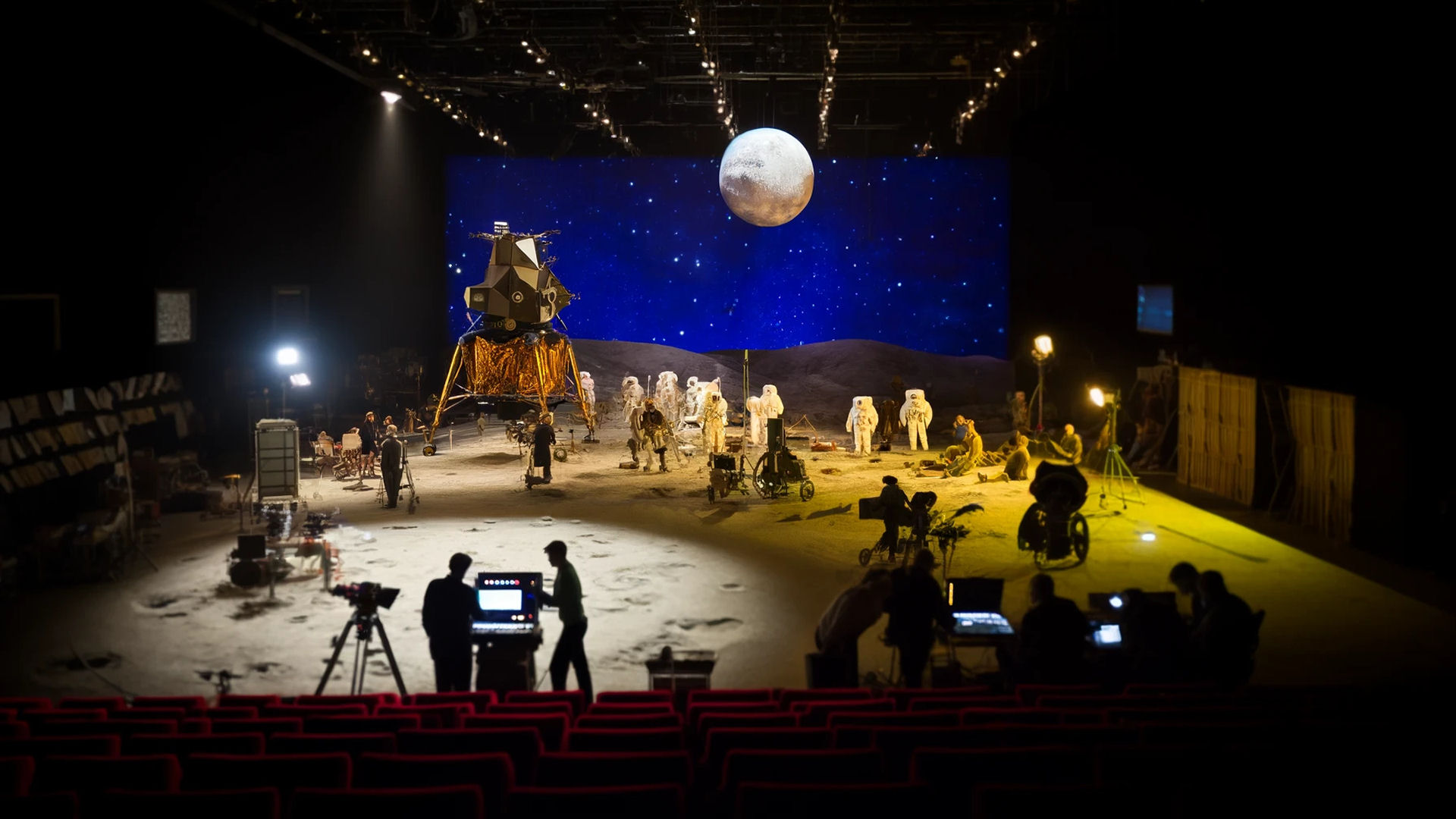
Art and Wayne delve into the health effects of environmental factors like secondhand smoke, radiation, and magnetic fields from underground water sources. Wayne expresses skepticism about mainstream medical advice on topics like the safety of dental mercury fillings, suggesting that economic interests often overshadow public health. They discuss controversial topics like alternative cancer treatments and perceived conspiracies within the medical and dental industries. Shifting gears, they also explore theories questioning the authenticity of the moon landings, with Wayne citing several books and arguments that support the idea of a hoax. The discussion moves to broader conspiracies, including alleged manipulations in space exploration narratives and skepticism towards official accounts provided by institutions like NASA.
The discussion between Art and Wayne further explores the skepticism surrounding the moon landings. They debate the absence of stars in the NASA photos from the moon, with Wayne suggesting that accurate astronomical positioning would be essential to convincingly fake such images. They also discuss the technological capabilities of the time, questioning the quality of the cameras used by astronauts. The conversation shifts to the physical properties of the moon’s surface, particularly the behavior of dust in a vacuum and low gravity, which challenges the footage of astronauts kicking up dust as they move. Despite running experiments to simulate these conditions on Earth, discrepancies remain between expected and observed outcomes. Wayne maintains his skepticism, but Art expresses his belief that the moon landings were genuine, illustrating the divide in opinion on this controversial topic.
Wayne discusses the perplexing aspects of NASA’s Apollo missions, questioning the authenticity of certain evidence purportedly from the moon. He mentions a peculiar claim involving a former NASA data processing head who found a tape labeled with a date five months prior to the Apollo 11 launch, suggesting it could have been a simulation. Furthermore, Wayne brings up a story about a ham radio operator who allegedly collected 800 pounds of rocks from Antarctica and sent them to NASA, which Wayne suggests could have been passed off as moon rocks. This claim adds to his skepticism about the authenticity of the mission’s artifacts.
Wayne also challenges the filming logistics on the moon, questioning how videos could show both astronauts simultaneously and follow their movements without a visible cameraperson. He raises concerns about the astronauts’ exposure to radiation from solar flares, asserting that the lunar module’s construction material provided insufficient protection against space radiation, potentially exposing the astronauts to lethal doses. Despite these risks, official accounts from NASA maintain that no harmful solar flare activity occurred during the Apollo missions, a point Wayne disputes with claims of suppressed information about numerous flares.
Wayne remains skeptical about the official narratives of the moon landings and shifts the conversation towards broader conspiracies involving the government and unidentified phenomena. He reflects on the complexities of proving or disproving such large-scale deceptions, comparing them to past scientific paradigm shifts like the acceptance of heliocentrism. The talk turns philosophical, delving into the nature of time, the potential for time travel, and psychic phenomena, which Wayne argues have been scientifically validated, citing works like “The Conscious Universe” by Dean Radin.
Wayne also explores spiritual and metaphysical ideas, discussing the concept of spirit guides and angels, which he suggests might be manifestations of our own psyche in a timeless dimension. He shares anecdotes about creative inspiration claimed by historical figures like Mozart and Beethoven, suggesting that profound artistic ideas might be channeled from unknown sources, a concept he finds mirrored in his own experiences with writing and editorial work.
Wayne delves into metaphysical topics, discussing the nature of consciousness and its manifestation in different lifetimes through reincarnation. He shares his experiences as a psychotherapist, emphasizing the importance of addressing past life traumas to resolve current issues, a concept he believes is supported by substantial literature despite opposition from conventional religious doctrines.
The discussion also returns to Wayne’s theories about NASA and the moon landings. He introduces a caller, Terry O’Grady, who claims to have transported rocks from Antarctica, purportedly similar to the ones NASA presented as moon rocks. Terry details his participation in Operation Deep Freeze, where he and others collected significant quantities of rocks and ice cores, adding a layer of intrigue to Wayne’s skepticism about the authenticity of NASA’s moon missions.
Art and Wayne engage in a broader dialogue about conspiracies and the nature of truth, pondering whether major governmental and scientific institutions could be withholding information about extraterrestrial life and other significant discoveries. They discuss the potential for space exploration and robotic missions to Mars, questioning the transparency of NASA’s operations and the authenticity of the data shared with the public.
Wayne shares personal anecdotes about his past life regression sessions, expressing his belief in reincarnation and discussing the impact such beliefs have on understanding our current lives. He mentions several influential books that delve into past lives and reincarnation, suggesting that these are crucial reads for those interested in exploring these concepts further.
The conversation takes a more philosophical turn as Wayne reflects on his evolving interests, from his early days focusing on hardware and technology to his current engagement with metaphysical subjects. This transformation highlights Wayne’s enduring curiosity and his drive to explore anomalies in conventional science and thought. Art and Wayne also discuss the intersection of technology and traditional hobbies, specifically how the rise of the internet and digital communication platforms might be affecting ham radio, an area of mutual interest. Wayne reminisces about the early days of his publishing career, particularly his controversial decision to include computer content in a ham radio magazine, which initially alienated some of his audience but later proved prescient as technology evolved.
Wayne advocates for modernizing education to keep pace with technological advancements, suggesting schools adopt up-to-date, magazine-based courses in electricity, communications, and computers. He believes in integrating high-tech clubs into education to stimulate interest in young people, reminiscent of his own pioneering work with narrowband FM in the 1940s.
The conversation shifts to the practical changes in electronic equipment and repair, noting the shift from individual component repairs to module replacement, reflecting broader changes in technology education and practice. Wayne laments the loss of hands-on electronic training that was prevalent in the past, suggesting that current educational practices do not sufficiently prepare students to understand or innovate in modern technology.
They also discuss the global shift in manufacturing, noting how American electronic production has dwindled compared to Japanese manufacturers who employ technicians and engineers familiar with comprehensive aspects of electronics, highlighting a stark contrast in how technical knowledge and skills are cultivated and applied across different cultures.
Art reflects on the profound impact that uncovering a potential lie about the moon landings would have on his worldview, expressing a personal struggle with the notion that long-cherished beliefs might be baseless. This moment of vulnerability highlights the emotional and intellectual turmoil that can accompany the reassessment of one’s beliefs, particularly when they are foundational to one’s understanding of the world.
Wayne shifts the conversation towards the topic of sentient computers and the potential for the internet to evolve into something more autonomous. This leads to a broader discussion on the advancement of technology, memory capacity, and processing speeds, where Wayne shares his anticipation of significant technological developments.
Art and Wayne delve into a variety of topics ranging from personal abduction stories to the philosophical implications of scientific beliefs. Wayne questions the acceptance of scientific facts without direct personal experience, highlighting the challenges of discerning truth in an era where conventional science often dismisses unconventional ideas like consciousness research. Art expresses concern about the possibility of having been misled by authoritative sources about significant historical events, such as the moon landings, which would fundamentally shake his worldview.
The discussion transitions to sentient computers and the potential for non-human entities to exhibit signs of awareness or intelligence. Wayne shares anecdotes about experiments suggesting that plants can respond to human emotions and intentions, even discussing a scenario where a plant allegedly mimics human speech, much to Art’s skepticism. These accounts are used to illustrate the broader concept that life at all levels might possess a form of consciousness or sentience that conventional science has yet to fully understand or accept.
Furthermore, the conversation touches on the humorous failure of a Windows 98 demonstration by Bill Gates, used to lighten the mood amidst the more profound discussions. Art and Wayne also explore the impact of technology on humanity’s understanding of life and consciousness, suggesting that there are many uncharted territories in science that could redefine our interaction with the world around us.
As the conversation between Art and Wayne continues, they delve deeper into the concept of sentience, particularly focusing on whether computers can ever possess consciousness like biological entities. Wayne asserts that computers, regardless of their advancements in memory and processing power, lack the intrinsic sentience that living cells exhibit. This leads to a broader discussion on the nature of consciousness, with Wayne emphasizing that memories might be stored in a medium beyond the physical brain, possibly persisting after death—a concept that challenges traditional scientific perspectives.
The talk also touches on telepathy and other paranormal experiences, with Wayne sharing personal anecdotes to argue for the validity of such phenomena. He mentions his experiences with telepathy and clairvoyance, further arguing that conventional science often dismisses or ridicules these subjects due to a lack of understanding and rigid skepticism.
Art and Wayne also humorously discuss some cultural mistranslations and signage in Asia, lightening the mood amidst the heavy topics. The dialogue showcases the balance between profound, existential discussions about human consciousness and lighter, amusing anecdotes.
Towards the end of this segment, Wayne provides practical advice on wealth creation, reflecting on his own financial experiences and the non-linear nature of his wealth. He promotes his written works, which include guides on making money and lists of must-read books, and discusses how he manages the proceeds from these sales to fund his continued learning and book acquisitions.
Wayne Green discusses his approach to religion, identifying as a pragmatist rather than adhering to traditional religious beliefs. He views the Bible as a valuable historical document but notes that it has been revised and changed over time, particularly in its early days. He suggests that concepts like reincarnation were originally part of these texts but were removed by later interpretations or translations.
The conversation then shifts to extraterrestrial life and communication. Wayne expresses skepticism about the likelihood of making contact with extraterrestrials via conventional radio waves, suggesting that if extraterrestrials were to communicate, they might use more advanced technologies or methods, possibly even telepathic or psychic means. This aligns with broader discussions in the scientific community about the limitations of our current methods in searching for extraterrestrial intelligence.
Listeners from around the country participate in the discussion, asking Wayne questions about his beliefs and experiences. This interactive segment underscores the wide public interest in topics like the potential for life beyond Earth and the nature of human consciousness and spirituality.
rt and Wayne discuss the resilience of ham radio amid challenges and the importance of engaging younger generations to keep the hobby alive. Wayne underscores the need for better promotional strategies and the integration of ham radio with modern technologies and interests to attract young enthusiasts. They lament the declining engagement in ham radio, attributing it to a lack of effective advertising and the stagnation of regulatory bodies in adapting to contemporary needs.
Wayne shares his experiences of using ham radio to connect with people worldwide and reminisces about his adventures facilitated by amateur radio, such as trips to remote islands. These stories highlight the unique experiences that ham radio can offer, which Wayne believes should be leveraged to inspire the next generation.
They critique the amateur radio leadership for being obstructive rather than proactive in evolving the hobby, suggesting that the community’s regulatory bodies have been resistant to necessary modernization. This resistance, they argue, has contributed to the hobby’s decline among younger people who might otherwise be attracted to the technological and communicative aspects of amateur radio.
Art and Wayne also touch on the potential of using media and public relations more effectively to promote ham radio, discussing past successes in media engagement and how these could be replicated to reinvigorate interest in the hobby.
Art and Wayne dive into various topics ranging from the potential for massive conspiracies and their implications for public trust to practical ideas for improving government efficiency and reducing taxes. Wayne, expressing skepticism towards governmental transparency, proposes innovative solutions to enhance state revenue without imposing taxes on citizens.
Wayne outlines a series of proposals he has developed for enhancing the state of New Hampshire, which he believes could be applicable to other states as well. His ideas include the state acting as a profitable business to eliminate the need for taxes. He also touches on the broader theme of the erosion of constitutional rights in America, suggesting that many aspects of the Constitution are not being adhered to by federal authorities.
The conversation shifts to Wayne’s global perspective on governance, comparing the U.S. system favorably against others despite its flaws. He acknowledges the freedoms and rights that Americans enjoy, which he argues are superior to many other countries he has visited. This part of the dialogue highlights both Wayne’s critical view of current U.S. governance and his appreciation for the fundamental principles that underpin American society.
Art and Wayne also discuss the potential of ham radio to engage young people and the need for better promotion within the field to rejuvenate interest among the younger generation. They lament the lack of initiative from amateur radio’s governing bodies to modernize and promote the hobby effectively.
One caller from Bakersfield debates the feasibility of the Saturn V rocket’s capability to escape the moon’s gravitational pull, suggesting that NASA’s own data contradicts the official narrative of the moon landings. This caller references Bill Kaysing’s book, “We Never Went to the Moon,” which argues that the technology of the time couldn’t have supported the lunar missions as described by NASA. Wayne appears to entertain these theories, adding to the ongoing skepticism around the moon landing claims.
Another caller introduces a lighter topic, recommending William Saroyan’s “The Human Comedy,” which he suggests offers profound insights into human nature. This interjection adds a cultural and philosophical dimension to the conversation, contrasting with the technical and conspiratorial themes that dominate much of the discussion.
Wayne discusses the potential of cold fusion experiments that people can conduct at home. He explains the setup using nickel electrodes, a glass of water with an electrolyte like baking soda or lithium salt, and a battery to initiate the reaction. Wayne suggests that this setup can generate more heat than the electricity inputted, suggesting an over-unity energy output, which is a controversial claim in the scientific community.
He also details safety measures to ensure the experiment remains controlled, such as maintaining the electrolyte level to prevent the reaction container from drying out and potentially causing an explosion. Wayne’s discussion highlights his ongoing interest in promoting unconventional energy solutions like cold fusion, despite the mainstream scientific community’s skepticism.
The dialogue touches on broader issues of scientific innovation versus commercial viability. Wayne criticizes the lack of marketing and commercial support for breakthrough technologies, suggesting that many innovative ideas fail to reach the market due to a lack of business acumen among scientists and inventors. He also hints at possible suppression or disinterest in revolutionary technologies by vested interests in traditional energy sectors.
Wayne shares a personal anecdote about his passion for Scott Joplin’s music, illustrating how deeply music can resonate with individuals and influence their actions. Moved by Joplin’s ragtime, Wayne not only immersed himself in the genre but also took significant steps to promote it. He brought musician Scott Kirby to New Hampshire, built a recording studio, and produced an extensive collection of Joplin’s work, which contributed to a revival of interest in ragtime music nationally and internationally.
This story transitions into a broader discussion about the mysterious triggers in our brains that make us fall in love with certain pieces of music or art, suggesting a deep, intrinsic connection to certain stimuli that may be inexplicable but profoundly impactful.
The conversation then shifts to listener questions, which touch on the moon landing conspiracies. Wayne uses logical arguments to challenge the official narratives, prompting listeners to reconsider their views on historical events. Additionally, a caller from Chicago brings up the topic of divine inspiration in creativity, questioning whether artistic inspiration is truly from a divine source or rather from within the artists themselves.
Wayne’s response explores the notion of divinity and collective consciousness, suggesting that our understanding of “God” might be more about the interconnectedness of all beings rather than an external deity. As the conversation continues, Wayne also addresses historical interpretations of the Bible, exploring how cultural and linguistic transformations have shaped religious texts and beliefs over centuries.
Wayne delves deeper into philosophical discussions about the nature of inspiration and divinity in relation to music and creativity. He reflects on Paul McCartney’s songwriting process, suggesting that McCartney may have been divinely inspired without fully understanding the meanings behind his lyrics at the time. This discussion raises questions about subconscious creativity and whether true inspiration comes from a divine source or from within oneself.
The conversation then shifts towards broader societal issues, such as the changing perceptions of music over generations. Wayne expresses concern about contemporary music’s negative impact compared to the positive influences of past music icons like The Beatles. He worries that today’s music lacks the substantial, lasting impact on society that music from earlier decades had.
Additionally, Wayne engages with a caller who introduces the idea that all creativity and inspiration could be manifestations of a collective divine presence, suggesting that everyone has the potential to express divinity through their creative endeavors. This leads to a discussion about the nature of God and creation, with references to various theories including the Gaia hypothesis, which posits that the Earth functions as a single organism with a collective consciousness.
Art and Wayne delve into various topics including the nature of time and the existence of free energy devices. Wayne discusses the possibility of using atmospheric pressure to power clocks, indicating an ongoing interest in alternative energy sources that could operate independently of traditional power supplies. This discussion touches on the broader theme of utilizing environmental forces in innovative ways to create sustainable technologies.
Additionally, Art recalls a promise from a listener about a free energy device that would supposedly operate without any external inputs like batteries or mechanical connections. This segues into a broader skepticism about claims of perpetual motion machines or devices that claim to produce more energy than they consume, often referred to as “over-unity” devices. Art expresses a mixture of skepticism and curiosity about these claims, reflecting a common theme in their discussions about challenging conventional scientific assertions.
Moreover, Wayne shares his love for Scott Joplin’s music, recounting how he was moved by Joplin’s compositions to the extent that he built a recording studio and produced albums to help revive interest in ragtime music. This anecdote underscores Wayne’s passion for music and his proactive efforts to preserve and promote art forms he believes are valuable.
Art and Wayne delve into a lively discussion about their personal experiences and preferences related to music, geographic locations, and lifestyle choices. They explore how repeated exposure can change one’s appreciation for music genres, as Art recounts how he initially disliked but eventually grew to love country music. This illustrates the broader theme of adaptability and the evolving nature of personal tastes.
Additionally, they discuss the physical and possibly metaphysical effects of sleep orientation. A caller shares her experience that aligning her bed north-south resolved her husband’s issues with sleep paralysis and astral projection. Art and Wayne then exchange their own preferences and observations on how sleep direction affects their health, injecting a quirky yet intriguing element into the conversation, linking personal health with environmental and potentially cosmic factors.
The conversation shifts back to technology and communication, addressing the ongoing debate between the viability and interest in ham radio compared to the growing dominance of the internet. They express concern over the future of ham radio, discussing its unique physical aspect compared to the virtual nature of internet interactions. This discussion highlights their concerns about preserving older forms of technology and communication in the face of rapid technological advancements.
Wayne stresses that sharing personal stories of excitement and adventure can inspire others to explore ham radio. He reflects on his own experiences, explaining how ham radio has provided him with a lifetime of adventure and discovery, which remains as thrilling as when he first started. Art echoes this sentiment, highlighting how broadcasting has brought him a similar thrill, connecting with listeners from around the world.
The discussion also delves into the broader implications for education and societal development. Wayne criticizes the current educational system for not fostering the type of innovative and technical thinking that ham radio and similar hobbies encourage. He suggests that the educational system, designed during the industrial revolution to produce uniform results, is inadequate for nurturing the creativity and individuality required in today’s technologically advanced and diverse society.
In this concluding segment of the discussion, the conversation shifts back to skepticism about the moon landings, touching upon why humans haven’t returned to the moon in decades. The caller and Wayne discuss the rationale often given—that everything necessary has been learned from the moon—which they find unsatisfactory and suspicious. This skepticism ties into broader discussions about space exploration and the justifications given for current space missions, like studying fruit flies and how flames burn in space.
Wayne and the caller also touch on the advancements in space technology back in the 1950s and the oddity of not having returned to the moon, suggesting that the lack of further moon missions might indicate that the initial landings were not as they were portrayed.
The conversation also addresses the potential for entrepreneurial endeavors in publishing. Wayne encourages listeners to consider starting niche magazines, which he believes are desperately needed and could be profitable. This part of the dialogue reflects Wayne’s ongoing interest in fostering innovation and tapping into untapped market opportunities.
The segment ends with logistical information for listeners interested in obtaining lists of recommended books or other materials from Wayne, emphasizing his willingness to share knowledge and resources freely.