
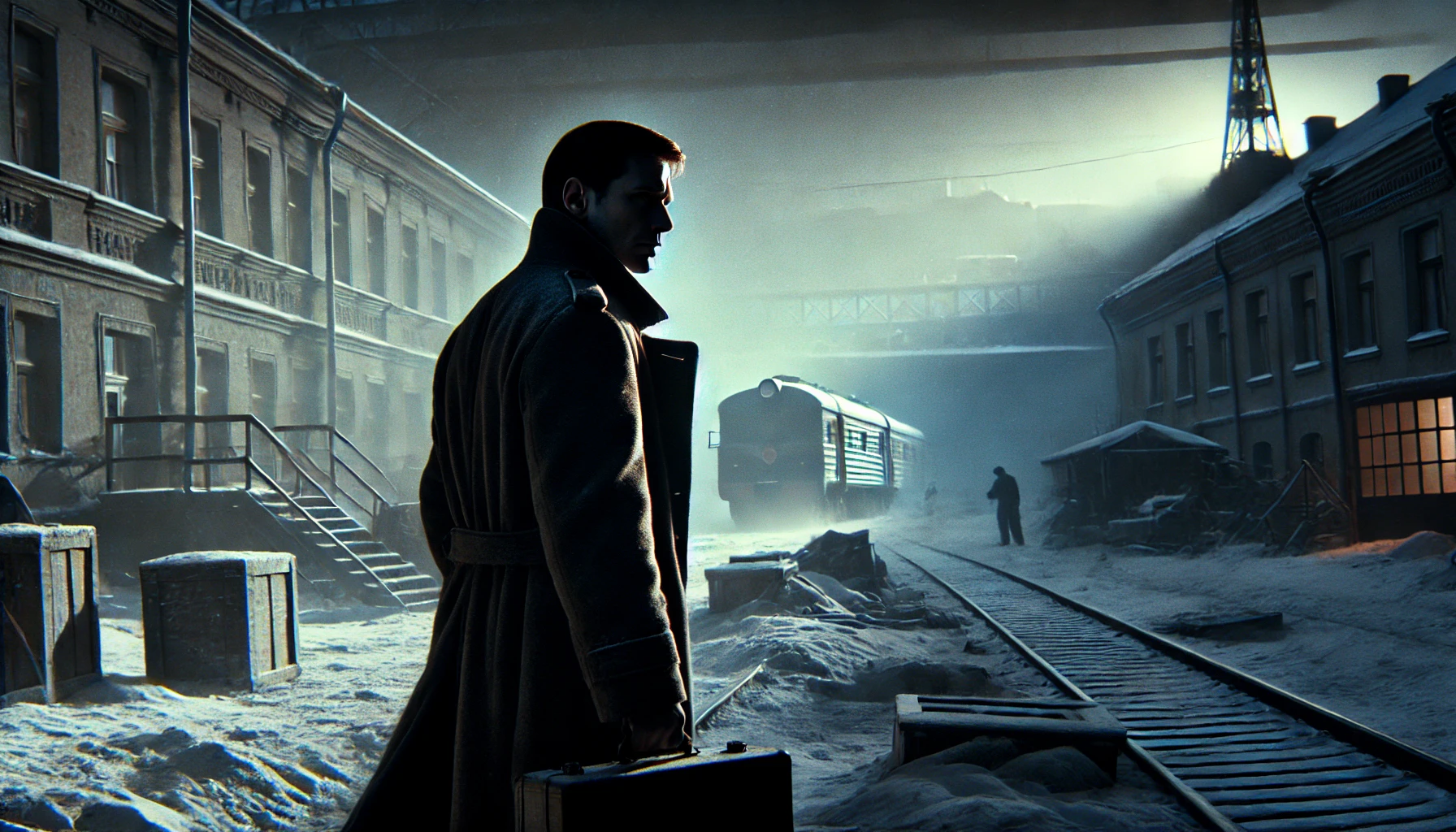
Art introduces the September 4, 1998, episode of “Coast to Coast AM” by highlighting a special guest, Stanislav Lunev, Russia’s highest-ranking military defector. Lunev discusses his insights into the ongoing preparations of Russian military intelligence (GRU) for an inevitable conflict with the United States, despite the supposed peace of the post-Cold War era. He warns of the potential for civil war in Russia and the country’s deteriorating financial situation. Art also speculates about the cause of the Swiss Air Flight 111 tragedy, suggesting a fuel-air explosion.
In another segment, a caller shares a strange story about telepathic fish-brained neighbors communicating with garbage men, which Art finds amusing. The episode also touches on topics like the aftermath of a cat bite leading to an overreaction from local animal control, and Art reflects on the oppressive nature of Russian security, recounting a personal experience in St. Petersburg. He shares Lunev’s background, including his work as a Soviet military intelligence officer with a cover as a Tass news agency correspondent.
Art continues the conversation with Stanislav Lunev, focusing on Lunev’s life in Russia and his role in Soviet military intelligence. Lunev reveals that he served as a full colonel in the GRU, the Russian Federation’s General Staff’s Main Intelligence Directorate, responsible for spying worldwide. His cover in the United States was as a correspondent for the Tass news agency, for which he received special training in journalism, despite having no prior experience in the field. Lunev shares that he spent most of his military service in various countries, including Singapore and China, before being assigned to Washington, D.C., to spy on the U.S. Art expresses interest in Lunev’s defection and what it took for him to mentally prepare for such a significant life change.
Art then revisits the tension of the Cold War, noting that although some things in Russia have changed, much has stayed the same, particularly in terms of security and surveillance. He reflects on his visit to St. Petersburg and Moscow, where he experienced firsthand the lingering atmosphere of control and suspicion. Lunev, who was born in Leningrad (now St. Petersburg), confirms that the Russian military district still operates under its old Soviet name, the Leningrad Military District, emphasizing the continuity of military structures despite the political shifts.
Art and Stanislav Lunev continue their discussion, delving deeper into Lunev’s experiences and observations as a Soviet military officer and spy. Lunev recounts how, despite the end of the Cold War, Russian military intelligence remains vigilant and active, constantly preparing for the possibility of war with the United States. Art is curious about the mental and emotional challenges Lunev faced in deciding to defect, leaving behind his life in Russia and starting anew in the United States. Lunev hints at the complexities of such a decision, noting the personal and professional risks involved.
The conversation also touches on Art’s visit to Russia, where he recalls the intense feeling of being watched, a sentiment Lunev acknowledges as typical of Russian security practices, which have changed little since the Soviet era. Lunev also reflects on the continuity of military and intelligence structures in Russia, noting that even though political landscapes have shifted, many of the old systems and practices remain in place.
As they explore the geopolitical implications of Lunev’s insights, Art mentions his interest in how Soviet intelligence trained their operatives to blend in while abroad, particularly in roles like journalism, which Lunev used as a cover.
Art and Lunev shift their conversation toward the technical aspects of Soviet intelligence operations. Lunev shares that his work involved not just traditional military activities but also the gathering of economic and technological intelligence. He explains how the Soviet Union prioritized understanding American advancements, particularly in military technology, which was crucial for the USSR’s strategic planning. Lunev notes that Russian intelligence agencies were deeply embedded in various sectors, gathering information that could be used to bolster their own capabilities or counteract U.S. advantages.
Art is intrigued by Lunev’s insights into how the Soviet intelligence network functioned globally, particularly in countries like the United States, where Lunev operated under the guise of a journalist. Lunev emphasizes that such roles were essential for spies, providing them with legitimate cover while allowing them to move freely and access valuable information. He describes the rigorous training and psychological preparation required for operatives to maintain their cover and fulfill their missions without arousing suspicion.
Art and Lunev also discuss the broader implications of this espionage, including its impact on international relations and the ongoing tension between Russia and the U.S. Despite the end of the Cold War, Lunev suggests that the rivalry remains very much alive, with both nations continuing to engage in covert operations to protect their interests and maintain strategic superiority.
As the conversation continues, Art reflects on the constant presence of espionage in the background of global politics, shaping the actions and decisions of nations.
Art and Lunev delve further into the psychological aspects of espionage, with Lunev discussing the intense pressure faced by Soviet intelligence officers working abroad. He explains that maintaining a cover in a foreign country requires constant vigilance and a high level of discipline, as any mistake could lead to exposure and severe consequences. Lunev shares how Soviet operatives were trained to blend in seamlessly, adopting the behaviors and customs of the host country while staying focused on their intelligence-gathering missions.
Lunev also touches on the personal toll that this work takes, particularly the isolation and fear that come with living a double life. He mentions that many operatives, despite their training, struggled with the constant stress and the knowledge that they were always being watched, not just by foreign security services but also by their own superiors in the Soviet Union. This environment of mistrust and surveillance made it difficult to form genuine relationships, further compounding the psychological burden.
Art is fascinated by these insights and asks Lunev about his decision to defect. Lunev admits that it was not an easy choice, but the combination of disillusionment with the Soviet system and the desire for a different life eventually pushed him to take the risk. He describes the defection process as highly dangerous, requiring meticulous planning and the ability to remain calm under extreme pressure. Lunev’s successful defection was a testament to his skills and resolve, but he acknowledges that the price of freedom was the loss of his previous life and the constant threat of retribution.
Art and Lunev continue exploring the broader implications of Soviet and Russian intelligence activities. Lunev discusses how the intelligence apparatus in Russia has remained robust, even after the fall of the Soviet Union. He points out that the GRU, along with other intelligence agencies, continued to operate with the same methods and objectives, adapting to new global dynamics but never abandoning their fundamental mission of gathering information on perceived adversaries, particularly the United States.
Lunev explains that despite Russia’s internal struggles, including economic challenges and political turmoil, the state’s commitment to espionage has not wavered. This persistence underscores the importance that Russian leadership places on intelligence as a tool for both national security and exerting influence globally. Lunev emphasizes that this approach is rooted in a deep-seated belief within the Russian military and political hierarchy that conflict with the West, especially the U.S., is inevitable.
Art, intrigued by these revelations, asks Lunev about the potential for reconciliation between the two nations. Lunev is skeptical, noting that while there have been moments of cooperation, the underlying mistrust and competition have always re-emerged. He argues that as long as both nations view each other as strategic threats, the cycle of espionage and counter-espionage will continue, with each side seeking to gain an upper hand.
Art and Lunev discuss the future of U.S.-Russia relations, focusing on how intelligence operations will continue to shape the interactions between the two countries. Lunev reiterates that the Russian government, despite internal and external challenges, remains committed to its espionage activities, seeing them as crucial for national survival and global influence. He warns that as long as Russia perceives the United States as a threat, it will invest heavily in intelligence operations to counteract American power.
Art asks Lunev about his views on how the U.S. should respond to this ongoing threat. Lunev suggests that the United States must remain vigilant and proactive in its intelligence efforts, not only to protect its interests but also to understand and anticipate Russian strategies. He emphasizes the importance of not underestimating Russia’s capabilities, noting that while Russia may face economic difficulties, its intelligence services are highly skilled and resourceful.
The conversation then touches on the personal impact of Lunev’s defection, with Lunev expressing a mixture of relief and sadness. While he is grateful for the opportunities and freedom he has found in the United States, he also acknowledges the sacrifices he made, including the loss of his homeland and the constant concern for his safety. Lunev’s story is a reminder of the human cost of espionage, where the stakes are not just national security but also personal identity and well-being.
Art closes the discussion by thanking Lunev for sharing his experiences and insights, noting the complexity and danger inherent in the world of intelligence.