
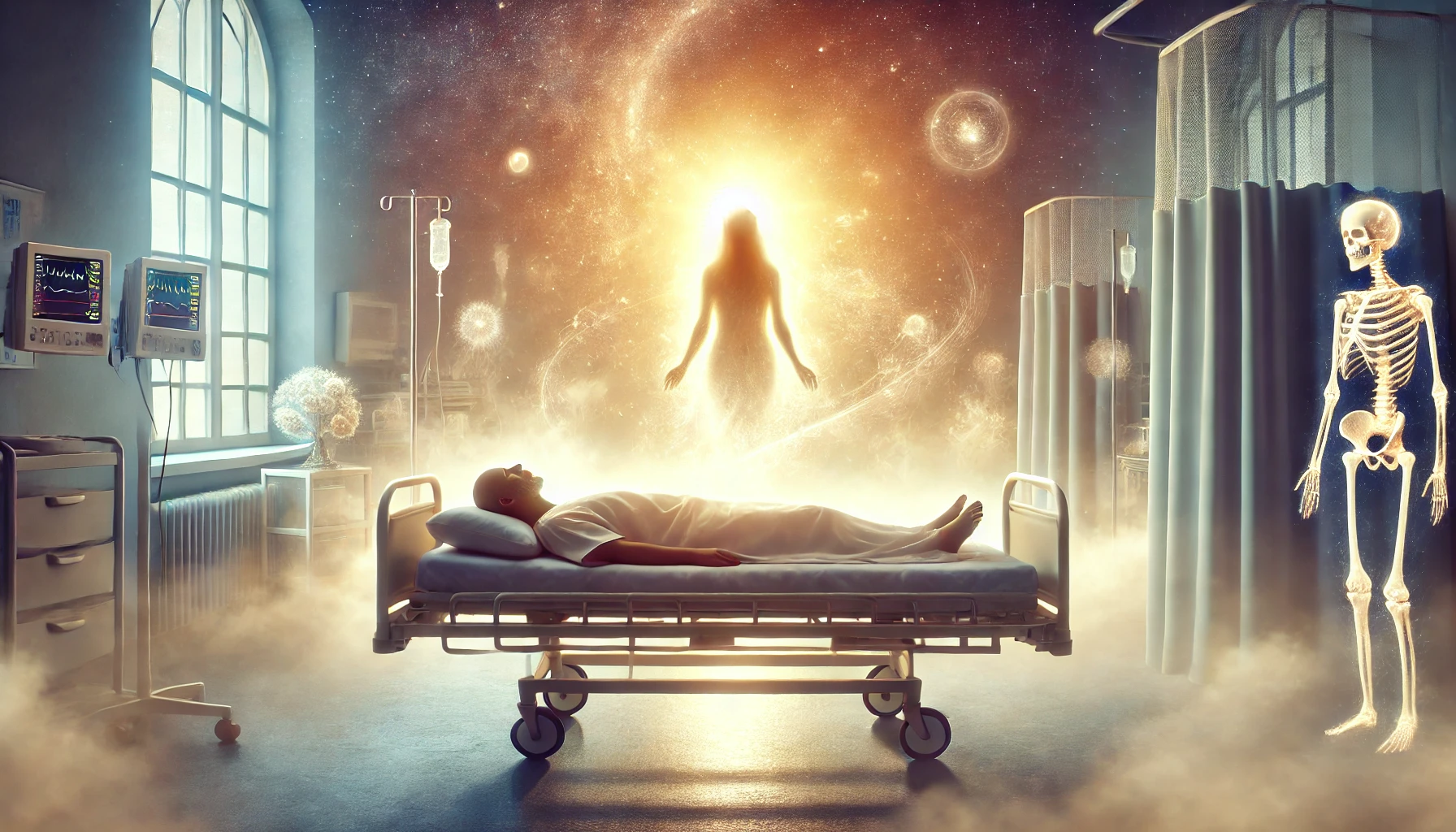
This show, hosted by Art Bell, features discussions on near-death experiences (NDEs) and other paranormal topics with guest Stuart Wilde. The episode includes segments on various encounters and stories related to the supernatural, as well as UFO sightings validated by aviation professionals and other eyewitness accounts. The show also features Jane Seymour, who discusses her career and work in Somewhere in Time.
Stuart Wilde joins to share his insights into metaphysical and spiritual healing practices, with particular focus on near-death experiences (NDEs) and their transformative effects on individuals. Wilde recounts how NDEs bring people closer to understanding the realms beyond the physical, often resulting in profound shifts in beliefs and behaviors. Throughout the interview, Wilde discusses how altered states of consciousness, particularly those accessed through spiritual practices or sudden life events, allow people glimpses of universal truth, healing, and a perspective that transcends the ego.
Art and Wilde also delve into various forms of mystical experiences, including those involving apparitions and visions, which Wilde claims are more common than often assumed. He emphasizes the healing power of altered states and shares stories of individuals who have had life-changing spiritual awakenings, especially those that highlight the interconnectedness of all beings. Both Art and Wilde engage in discussions about the increasing number of spiritual seekers reporting similar experiences, reflecting what Wilde suggests might be a global shift toward higher consciousness.
Art’s engaging questions guide Wilde’s explanations, where he links personal transformations after NDEs with broader concepts of spiritual healing and enlightenment. Wilde believes that these transformations are essential to understanding human existence and are becoming more accessible as society becomes more open to unconventional spiritual experiences.
Wilde expands on how transformative spiritual experiences often come from states of extreme vulnerability or profound events such as near-death experiences, major life crises, or deep meditation. He describes how these occurrences break down the “illusion of separateness” that many people live under, allowing for insights into the interconnectedness of life and fostering deep empathy. Art and Wilde explore the impact of these spiritual awakenings, discussing how people often develop heightened senses, intuition, and a feeling of oneness with the universe. Wilde also notes how many individuals undergoing such experiences report visual and auditory phenomena, which he interprets as tapping into universal energies rather than merely hallucinations or brain phenomena. This segment of the interview also includes Wilde’s observations about how society is moving towards a broader acceptance of these spiritual insights, often through unconventional means like hypnosis or breathwork, which allow people to access deeper parts of their consciousness.
Art questions whether this trend might be a result of a collective spiritual evolution, and Wilde concurs, suggesting that humanity is being guided toward a heightened state of consciousness. The conversation is laced with humor and mutual respect, as Wilde shares both personal anecdotes and stories from his research, aiming to demystify these intense spiritual experiences. Both he and Art encourage listeners to keep an open mind about the mysteries of consciousness and the potential for healing through spiritual exploration.
Art and Wilde address questions from callers, sparking discussions on the nature of reality and how altering perceptions can create profound changes in daily life. Wilde explains that while most people rely on physical senses to interpret the world, he believes that spiritual practices open up a higher level of perception that reveals deeper, often hidden truths. This awareness, he argues, gives people a sense of purpose and insight into their connection with the universe, guiding them toward more meaningful lives. He describes his encounters with people who have used spiritual healing to overcome physical and emotional obstacles, suggesting that these practices tap into energies or frequencies not detectable by ordinary means.
Wilde and Art also discuss the potential of out-of-body experiences and other altered states as means to broaden one’s understanding of existence. Wilde shares a few stories, including personal accounts and anecdotal evidence from others, about experiencing different realms or dimensions. This shift in perspective, he suggests, often leads people to shed materialistic goals in favor of spiritual or altruistic pursuits. Art brings up potential skepticism around these phenomena, and Wilde emphasizes that while spiritual experiences are deeply personal and subjective, they often leave individuals with profound, lasting impacts on their lives.
Art and Wilde address various perspectives on societal skepticism toward metaphysical ideas, with Wilde emphasizing how individuals often dismiss the supernatural until they experience something unexplainable. Wilde shares a personal theory: the universe is like a “spiritual school” where challenging life events serve to awaken people to a broader reality. He notes that people who undergo such awakenings, whether through trauma or intense spiritual practices, often gain a fresh sense of clarity and purpose. He also speaks on healing, suggesting that trauma or illness may push people toward spiritual development as a way to transcend their limitations. Art echoes the notion that embracing an expanded view of reality can lead to personal liberation.
Listeners call in to share their own experiences with inexplicable phenomena, and Wilde encourages them to cultivate an open mind and trust in their perceptions. He believes this acceptance allows individuals to see past conventional limitations, experiencing what he describes as “pure freedom.”
Wilde delves into the importance of personal responsibility on the spiritual path, suggesting that real growth occurs when individuals hold themselves accountable for their lives. He emphasizes the concept of “power over self,” which he defines as the ability to manage one’s reactions, emotions, and mindset regardless of external circumstances. Art and Wilde touch on how society often pressures individuals to conform, but Wilde argues that those who follow their unique spiritual journeys ultimately find a profound sense of freedom. Wilde closes by encouraging listeners to explore meditation, self-reflection, and spiritual practices as tools to develop resilience and inner peace. He shares that such practices can lead to deeper insights about existence, healing, and purpose, creating a fulfilling life that benefits not only the individual but also the collective consciousness.