
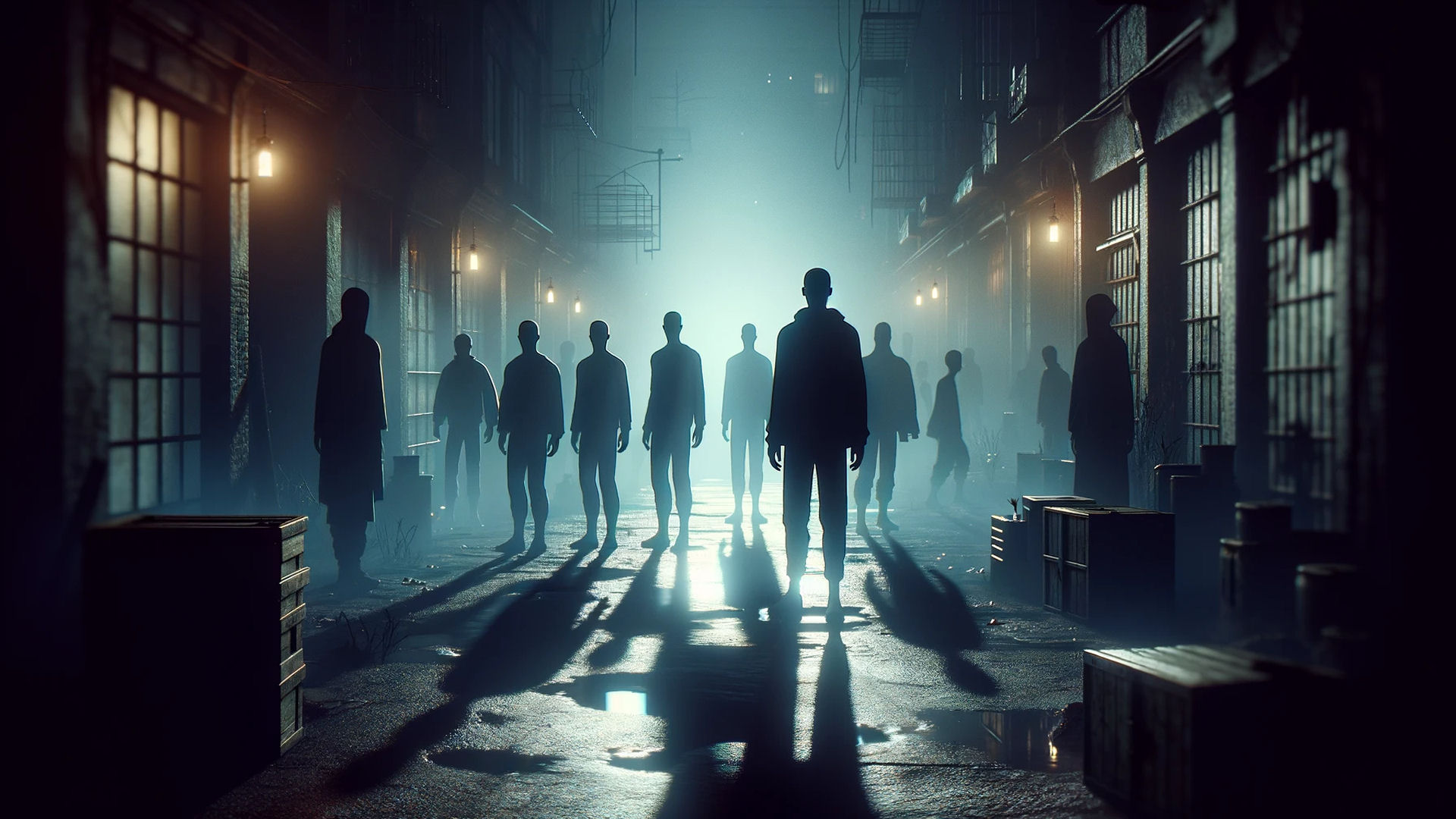
Art prompts listeners to visit his website to view startling images related to Richard C. Hoagland’s upcoming discussion about shadow people and mysterious markings on Mars. Art discusses the show’s technical improvements and teases the audience with groundbreaking stories, including a controversial debate at NASA regarding the inclusion of certain images on Art’s website. The segment transitions into a captivating conversation with Richard Hoagland about peculiar Martian inscriptions, hinting at advanced civilizations and the intriguing possibility of human connections to extraterrestrial beings.
Art and Richard delve deeper into the realm of speculative science and unexplained phenomena. They discuss last night’s program, which presented theories that seemed to interweave with the concepts of hyperdimensional physics, hinting at the potential for technology that interacts with other dimensions. Art and Richard explore the idea of spacecraft and ancient monuments being connected to this advanced knowledge, suggesting that humanity once had a grasp on this technology before losing touch with it.
The conversation shifts to a set of mysterious photographs that Richard has been holding onto for years, which show what appears to be Arabic script on Martian landscapes. The intrigue deepens as they ponder the implications of these images—questioning the authenticity, the origin of the script, and its preservation through eons on the harsh Martian surface. Richard stresses the importance of the chain of custody for these photographs, ensuring their integrity from the moment they were captured to their presentation to the public.
Art Bell and Richard Hoagland dive into a detailed discussion about the mysterious photographs potentially showing Arabic script on Mars. They delve into the complexities of the chain of custody of these images, which were not released to the public until 36 hours after their capture, leading to questions about possible tampering or alterations.
The conversation touches on the technical aspects of image processing, with Richard expressing skepticism about the originality of the images due to their poor quality and lack of data. He suggests that the Arabic letters, if indeed present on Mars, are more likely to be a terrestrial insertion, possibly as a whistleblower’s signal to indicate that the images were manipulated or hoaxed.
Art and Richard ponder the implications if the script were genuinely found on Mars, raising profound questions about our understanding of the universe and the history of Martian exploration. They discuss the need for immediate, transparent re-imaging of the same Martian area to verify the findings and the broader implications of such a discovery.
Art and Richard delve into why the potentially revolutionary photographs showcasing Arabic script on Mars were withheld from the public for three years. Richard explains that he was bound by a promise made to Tom Van Flanders, a respected scientist, which prevented him from disclosing the information. The photographs had been analyzed and confirmed as containing the script, but the origin—whether on Mars or Earth—remained the pivotal mystery.
The narrative unfolds with Richard recounting a conversation with Tom, who suggested a cautious approach by planning to introduce the findings through a peer-reviewed scientific paper. This approach aimed to initiate a formal scientific debate, yet Richard felt conflicted about keeping the information from the public, advocating for transparency and parallel public scrutiny.
The discussion takes a turn as Richard reveals his recent realization that Tom and his associates might have had a hidden agenda to discredit any theories that NASA or JPL had concealed such discoveries for decades.
Richard Hoagland delves into the complexities surrounding the delayed revelation of the photographs showcasing potential Arabic script on Mars. He accuses Tom Van Flanders of using their friendship to extract sensitive information for political leverage and denounces Van Flanders’ recent actions at a press conference, where he unveiled the photographs without proper attribution, suggesting a hidden agenda aligned with a specific faction within NASA.
Richard expresses regret for promoting Van Flanders on the show and supporting his theories, despite acknowledging the significance of Van Flanders’ scientific contributions. He hints at a broader conspiracy to control the narrative surrounding the Cydonia investigation on Mars, indicating a power struggle within the scientific community to dominate this intriguing exploration.
The segment touches on ethical considerations in scientific disclosure, the potential for human connection to extraterrestrial ancestors, and the frustration with NASA’s inconsistent approach to Mars imagery. Richard points to a pivotal meeting where promises were allegedly made that influenced subsequent actions and attitudes among key players in the Mars exploration discourse.
Listeners are encouraged to visit the Enterprise Mission website for further insights and to anticipate an upcoming special on the PAX television network, promising a comprehensive exploration of the Cydonia investigation’s history.
Richard delves into a potential cover-up concerning the Mars photos, suggesting a deliberate obstruction by a small faction within NASA. He’s open to public engagement with Tom Van Flanders to clarify why the images were withheld under a promise of secrecy. Richard feels betrayed by Tom, emphasizing the loss of trust in their relationship.
The conversation shifts to a more lighthearted topic with Arthur C. Clarke’s email about the 2001 Mars Odyssey mission. Clarke’s optimism and curiosity about Mars are palpable as he speculates on the potential findings of the mission, even suggesting the presence of vegetation or more groundbreaking discoveries on the Martian surface.
The conversation transitions from the discussion of Mars and potential vegetation to the intriguing and somewhat eerie topic of “shadow people.” Art Bell shifts gears from the scientific exploration of Mars to a more paranormal phenomenon that has caught the attention of his audience.
Art recounts how the topic gained momentum after a caller reported seeing shadow people, which led to an overwhelming response from listeners who shared their own experiences. These shadow entities are described as dark silhouettes, often seen in peripheral vision, and some listeners even claim to see them directly. The detailed accounts from listeners describe encounters with these shadowy figures, adding a mysterious and spooky dimension to the show.
he conversation on “Coast to Coast AM” shifts significantly as Art Bell introduces a new guest, Thunder Strikes, a Twisted Hairs elder and a nagual leader within the Sweet Medicine Sundance Path, to delve into the shadow people phenomenon. This segment starts with more listener accounts of eerie encounters with shadowy figures, sharing their experiences of seeing or interacting with these entities, which are often perceived in peripheral vision or felt as a presence.
Listeners describe various interactions with these shadow people, ranging from benign to frightening, and express a sense of isolation due to the skepticism they face when sharing their experiences. The testimonies provide a vivid picture of a phenomenon that spans across ages and geographies, showing a pattern that intrigues and unsettles those who experience it.
Thunder Strikes delves into his rich heritage and the deep teachings he has received from the Twisted Hairs elders, focusing on the profound wisdom of the zero chiefs who study the universe’s mysteries. He outlines the linguistic roots of Native American languages and shares his unique lineage and training under Grandfather Tom Wilson, a prominent figure in the shamanic tradition.
Thunder Strikes discusses the historical context of the shadow people, tracing their mentions back to 1153 BC. This organization, initially known as the Rattlesnakes Group, formed in Oaxaca, reflecting a tradition that spans millennia. He highlights the importance of seeking permission from the elders to share these teachings publicly, emphasizing the matriarchal society’s role in granting this permission.
The conversation shifts to the “rainbow bridge prophecies,” which date back about 22,000 years and outline a significant period from 1982 to 2012, referred to as the quickening—a time of awakening and transition into a new cycle of existence called dharma. This era is marked by individuals recognizing their life’s pre-chosen lessons and transitioning into opportunities, leading to a broader understanding of their existence and responsibilities.
Thunder Strikes delves deeper into the prophecy and its implications during this segment. He explains that the prophecy he’s discussing is not Cherokee but from the Twisted Hairs, a group that formed when various tribal members sought broader spiritual understanding beyond their native teachings. They came together, recognizing a unifying connection to the universe across different cultures and practices.
He links this ancient wisdom to a cosmic history, mentioning an origin from the star system of Sirius and an ark carrying the crystal skull, symbolizing a repository of knowledge from various planets with human life. This ancient knowledge led to the Rainbow Bridge prophecy, which describes a metaphorical race of eight horses, each representing different philosophies and belief systems of people heading toward a pivotal point in time, identified with the end of the Mayan calendar in 2012.
Thunder Strikes outlines a stark choice humanity faces: to evolve into fully integrated beings living in unity, teaching, sharing, and caring for each other, or to succumb to ignorance, superstition, and darkness. He emphasizes that the period known as the quickening, which began around 2001, is a critical time for humanity to choose its path forward, aiming for enlightenment and unity to avoid a darker fate.
Thunder Strikes continues to unravel the complex interplay between human emotions, the pace of life, and the visibility of shadow people. He posits that as human metabolism and life’s speed increase, particularly in the shift from karma to dharma, where life’s pace quickens dramatically, humans become more attuned to the presence of shadow people. These entities, referred to as inorganic beings, exist in parallel dimensions and are drawn to and feed off negative human emotions.
He explains that these inorganic beings are sentient and interact with humans, particularly through dreams, serving as a bridge to these parallel dimensions. The reason these beings are often perceived in peripheral vision is due to our ability to detect them with senses beyond our standard five, tapping into a broader spectrum of perception that includes additional “eyes” and “ears” in a metaphysical sense.
Thunder Strikes asserts that these shadow people are not a product of the human mind but rather independent entities that humans give form to through their emotional energies.
Thunder Strikes expands on the multi-dimensional perception humans possess, describing various “eyes” beyond the physical ones, including the third eye, an eye at the base of the skull, in the palms of the hands, soles of the feet, and the navel. These additional senses allow individuals to perceive beyond the typical range, including the ability to sense shadow people, who are described as inorganic beings from parallel dimensions feeding on human emotional energy.
Thunder Strikes elaborates on how these beings are attracted to and nourished by negative human emotions, drawing an analogy to how maggots consume dead tissue but leave living tissue intact. While these shadow people feed on negative energy, Thunder Strikes hesitates to label them as strictly evil, suggesting instead that they play a necessary role in the balance of energies.
The fear that many people experience upon encountering shadow people is attributed to the unknown nature of these beings. Thunder Strikes emphasizes the importance of understanding and acknowledging these entities to mitigate fear, proposing that knowledge can transform the unknown into the known and reduce unnecessary fear.
Art Bell explores the idea of gathering visual representations of shadow people from listeners who have experienced them. He invites his audience to draw and send in images of what they’ve seen, aiming to create a collective visual database that could offer insights into the commonalities of these encounters.
Thunder Strikes further elaborates on the nature of shadow people, suggesting they feed off negative human emotions in a parasitic manner. While this might offer some form of relief by absorbing negativity, it’s primarily beneficial for the shadow entities rather than the humans involved. He implies that as humans engage more with their negative side and as their metabolic rates and perception speeds increase, these beings become more visible and tangible in our reality.
Thunder Strikes discusses the interactions between humans and shadow people, emphasizing the role of awareness in understanding these encounters. He suggests that as human metabolism accelerates, possibly moving toward a state of formlessness akin to what is described in religious texts as resurrection, people will increasingly perceive these entities.
Thunder Strikes notes that animals, particularly cats, have always been attuned to the presence of shadow people, reacting visibly to their presence. This animal perception underscores the broader reality of these beings, which exist beyond human normal awareness but are gradually becoming more perceptible as human perception expands.
The discussion touches on the nature of shadow people as entities feeding on negative emotions, raising questions about the prevalence of such emotions in children and society at large. Thunder Strikes links the visibility of shadow people to the collective negativity and fear pervading modern society, suggesting that addressing personal and collective dark sides could mitigate these encounters.
Thunder Strikes and Art Bell delve into a more profound discussion about the implications of the accelerating pace of life and its connection to the visibility of shadow people. They explore the idea that as the world and its inhabitants speed up, both in a literal and metaphysical sense, the manifestation of these inorganic beings becomes more pronounced.
Thunder Strikes outlines a metaphor involving four horses, each representing different aspects of human experience and global trends: weather, technology, human interaction, and spiritual growth. He expresses concern that the “dark horse,” symbolizing negative forces, is currently leading the race, suggesting potential dire outcomes if this trend continues.
The conversation touches on the geopolitical landscape, hinting at potential conflicts involving major world powers, and how these tensions might contribute to a global atmosphere ripe for the proliferation of shadow entities that feed on fear and negativity.
Thunder Strikes emphasizes the critical nature of the current era, referred to as the quickening, a decisive period where humanity’s collective choices will shape the future. He highlights the importance of individual and collective attitudes in influencing the direction of this race, suggesting that a shift toward positivity and unity could alter the outcome.
Thunder Strikes and Art Bell delve into the implications of human actions and emotions on the creation and empowerment of shadow people. Thunder Strikes explains that these entities are not creations of God or the Great Spirit but are manifestations formed by human emotional energy, particularly negative emotions. This idea suggests a profound responsibility on humanity’s part to be aware of and manage their emotional outputs.
The conversation transitions to the anticipation of viewer-submitted drawings of shadow people, which Art Bell’s webmaster is preparing to post on the website. This initiative aims to provide a visual representation of the shadow entities based on personal experiences from the audience, offering a collective insight into how these beings are perceived by different individuals.
Art Bell and Thunder Strikes analyze drawings submitted by listeners who claim to have seen shadow people. Thunder Strikes offers interpretations of these images, distinguishing between different types of entities based on their appearance in the drawings.
- Manitou: The first drawing is identified not as a shadow person but as a Manitou, described as an evil, dark force energy linked to the individual’s lineage. Thunder Strikes suggests that this presence can be removed with a shamanic cleansing, using a combination of sage, cedar, sweetgrass, and lavender. Crystals are also mentioned as a deterrent due to their disruptive frequency to such entities.
- Men in Black: The second drawing is associated with energies and entities influenced by government actions, hinting at a conspiracy theory realm with men in black. This suggests a broader spectrum of non-human or other-dimensional entities interacting with humanity, possibly with more sinister implications.
- Morpheus Entities: The third and fourth drawings depict entities in what Thunder Strikes calls their “cocoon stage,” suggesting a developmental process for these beings. This interpretation introduces the idea that shadow people might evolve or change form over time, implying a lifecycle or progression in their existence within our perception.
- Caller Experiences: One caller describes seeing shadow people with disproportionate limbs and angular shapes, which Thunder Strikes links to the beings’ existence in parallel dimensions. Another caller talks about a tentacled entity moving through trees, emphasizing its lack of sound and apparent masslessness, suggestive of its non-physical nature.
- Differentiating Entities: Thunder Strikes differentiates between various types of entities, such as ancestor spirits and protector spirits associated with natural elements like forests. He clarifies that not all encounters with shadowy figures are with shadow people; some may be with spirits protecting their natural environment.
- Physical Characteristics: Descriptions of the entities as being 2D, blacker than black, and capable of moving without affecting their physical surroundings reinforce the notion that these beings exist in a realm distinct from our conventional three-dimensional space.
- Interaction with Nature: The discussion also touches on the entities’ interactions with nature, as one caller describes an entity moving through trees without disturbing them, highlighting its non-physical or interdimensional nature.
- Drawing Submissions: Art Bell notes that drawings of shadow people submitted by listeners are posted on his website, providing a visual reference for the discussion and allowing for comparison of experiences across different individuals.
- Shadow Beings vs. Other Entities: One caller describes an aggressive encounter with a shadow being, which Thunder Strikes identifies as a typical shadow entity interaction. He differentiates this from another caller’s experience, which he attributes to more malevolent spirits or malign entities, underscoring the variety of non-physical beings people might encounter.
- Interactions with Nature: Another caller shares experiences with crows and ravens, which Thunder Strikes acknowledges as messengers between worlds, highlighting the deep connections between humans and the natural world and the guidance it can offer.
- Physical Effects and Life Changes: A caller recounts an encounter with a shadowy figure that preceded a health issue, suggesting a potential link between spiritual encounters and physical well-being. This story transitions into a broader discussion on personal transformation, emphasizing the profound impact such encounters can have on one’s life direction and mindset.
- Viewer-submitted Drawings: Thunder Strikes reviews drawings submitted by listeners, validating their experiences and providing further context for understanding these beings. He notes how one drawing closely resembles a caller’s description, reinforcing the shared reality of these experiences.
- Encounters with Different Entities: A caller describes an encounter with a creature resembling a six-foot black cricket, which Thunder Strikes interprets as a potential interaction with an entity from a different dimension. He emphasizes the importance of questioning and seeking knowledge to understand these experiences.
- Cultural Perspectives on Entities: A caller from Saudi Arabia inquires about seeing shadow people, introducing the concept of the Jinn from Islamic culture. Thunder Strikes acknowledges the cultural interpretations of such entities, highlighting the global recognition of unseen beings across different traditions.
- Seeking Spiritual Experiences: Another caller expresses a desire to have a conscious experience of the spiritual or otherworldly. Thunder Strikes advises caution, emphasizing that seeking out such experiences can be intriguing but potentially dangerous, especially if it leads to encounters with malevolent entities.
- Book and Contact Information: Thunder Strikes mentions his book, “Song of the Deer,” as a resource for those interested in learning more about his teachings and experiences. He provides various contact methods for those wishing to reach out to him for further information or guidance.
- Protecting Against Negative Entities: The discussion also touches on the importance of not feeding fear to negative entities, as fear can empower them. Thunder Strikes and the callers explore ways to cultivate positive spiritual experiences without attracting negative beings.
- Good Entities: A caller from Albany, California, discusses her experiences with positive entities, feeling presences, and sensations on the top of her head, especially after the passing of her boyfriend. Thunder Strikes confirms that such sensations are part of the broader spiritual experiences that individuals might encounter, especially during meditation and moments of remembrance.
- Book Discussion: Thunder Strikes promotes his book, “Song of the Deer,” explaining that it covers teachings from the Sweet Medicine Sundance path, offering insights into emotional balance, spiritual growth, and understanding the luminous cocoon of human energy fields.
- Rods and Other Phenomena: The conversation shifts to discussing rods, mysterious entities captured in high-speed photography, which Thunder Strikes distinguishes from shadow beings. He describes them as part of the matrix of the universe, suggesting a connection to the broader fabric of reality rather than being direct interactions with individuals.
- Death and Shadow Beings: Addressing a caller’s concern, Thunder Strikes acknowledges that one form of shadow entity is associated with death, supporting or heralding it. However, he clarifies that the positive entities the caller described are different from these more ominous beings.
- Extraterrestrial and Sasquatch Encounters: A caller shares past experiences with extraterrestrial beings and encounters with what they believed to be a Sasquatch. Thunder Strikes provides insight into the nature of Sasquatch, describing them as protectors of the animal kingdom, often born in pairs, with differing roles between the twins.
- Interacting with Shadow Beings in Dreams: The caller also recounts a dream where they took control of a shadow creature, which later reversed the interaction, influencing the caller’s thoughts through music. Thunder Strikes suggests this could be an encounter with a shapeshifter or stalker, types of entities that can manipulate perceptions and appear in various forms.
- Analyzing Viewer-submitted Drawings: Thunder Strikes reviews additional drawings from listeners, identifying some as definitive depictions of shadow beings. He suggests that these entities are not interested in the person observing them but are milling around, possibly indicating a passive presence or observation rather than direct interaction.
- Environmental and Personal Factors: Thunder Strikes raises questions about the environment where the entities are seen, suggesting that the presence of shadow beings could be related to the history of the location or personal circumstances of the observer.
- Experiences with Men in Black: A caller discusses her encounters with a man dressed in black, which occurred before she was diagnosed with breast cancer. Thunder Strikes suggests this entity could be one of the men in black, a topic that he hints contains more depth than discussed in this show.
- Viewer-Submitted Drawings Analysis: Thunder Strikes reviews additional drawings submitted by listeners. He identifies one image that potentially represents the “twins” concept he mentioned earlier, where one entity is benevolent and the other malevolent. Another image is identified as a “stalker,” a term Thunder Strikes uses to describe a particularly ominous entity.
- Recommendations for Protection: In response to a caller’s request for advice on minimizing negative encounters, Thunder Strikes reiterates the importance of understanding and awareness. He emphasizes that knowledge and proactive measures can help deter unwanted encounters with these beings.
- Promotion of Thunder Strikes’ Book: Art Bell promotes Thunder Strikes’ book, “Song of the Deer,” offering listeners a resource to delve deeper into the teachings and perspectives shared during the show. The book is presented as a guide to understanding and navigating the complex interactions with various spiritual entities.
- Book Availability: Thunder Strikes confirms that his book, “Song of the Deer,” is available in bookstores and on Amazon.com, offering readers in both the USA and Canada an opportunity to delve deeper into his teachings and perspectives on these mystical subjects.
- Expertise and Humility: Thunder Strikes modestly acknowledges his expertise, attributing much of his knowledge to his grandfather and other elders from whom he learned. He expresses a continued desire to learn and share his knowledge.
- Men in Black Expertise: Art Bell hints at a possible future discussion with Thunder Strikes about the Men in Black, noting Thunder Strikes’ unique expertise in this area due to his military background and experiences abroad.