
Art begins the episode recounting how he returned to “Coast to Coast AM” after a period of retirement. He humorously compares himself to Michael Jordan, joking about his past statements about not returning to the airwaves. Art talks about a call from Robin Bertolucci, a programming director at KFI, who convinced him to return for a weekend show, which led to his full comeback. He also shares personal updates about his health, mentioning he lost 50 pounds and feels much better than before. As the show progresses, Art touches on various topics, including the scientific concept of polar reversals, the potential extinction of men due to the decay of the Y-chromosome, and bizarre news about half-human, half-cow embryos being created for research purposes. Throughout, Art keeps the tone light and engaging, punctuating the discussions with humor, especially when talking about his webcam updates and interactions with his wife, Ramona.
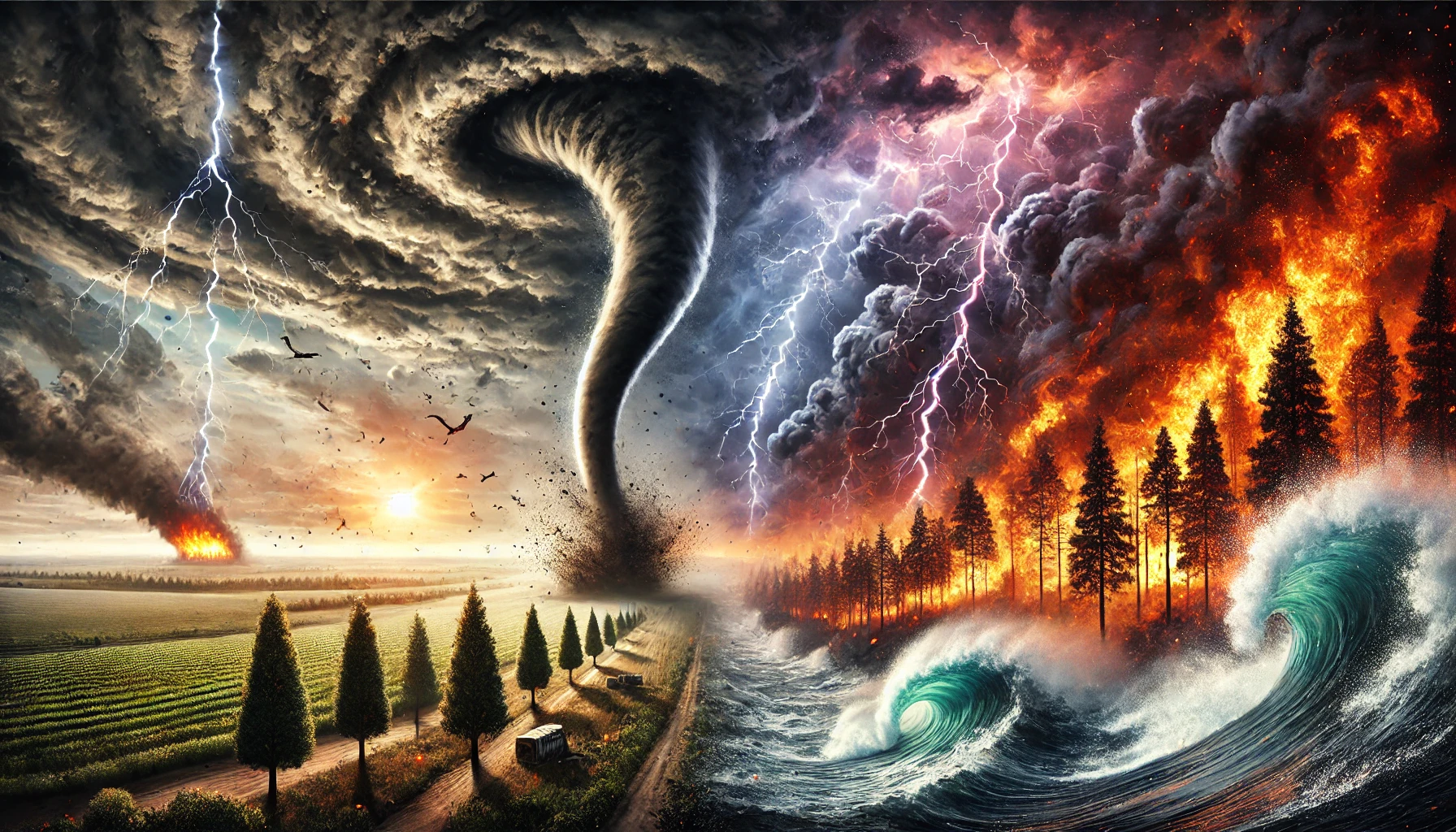
Art’s guest, James McCanney, discusses extreme weather events and solar activity, focusing on how cosmic events, such as solar flares, can affect Earth’s weather. Art brings up historical incidents, like a powerful explosion on the sun in 1998, to emphasize the potential dangers these events pose, particularly for ham radio operators like himself, who experience radio blackouts when solar flares occur. The episode continues with Art taking calls from listeners, addressing a variety of topics ranging from RF tagging technology to concerns about the ongoing war in Iraq.
Art delves deeper into scientific discussions, particularly focusing on the concept of polar reversals and the potential catastrophe it could bring. He reads from a report by Niles Olson of the Center for Planetary Science, explaining how the Earth’s magnetic field might reverse, leading to chaotic weather, increased volcanic activity, and a weakened atmosphere that could allow harmful solar rays to penetrate, potentially devastating crops and causing a spike in cancer rates. Art approaches the topic with his signature mix of curiosity and skepticism, acknowledging that while the science is compelling, the true impact of such an event remains largely speculative.
Art also revisits the unsettling topic of the Y-chromosome’s decay, reiterating Professor Brian Sykes’ claims that men could eventually face extinction as the chromosome deteriorates. He shares his mixed feelings about a future without men, humorously suggesting that the world wouldn’t be a better place with only women around. This lighthearted yet ominous conversation is soon followed by an even more bizarre story about human-cow hybrid embryos, created by Panagiotis Zavos. Art finds this deeply troubling and expresses his discomfort with the direction scientific experimentation is taking, particularly the moral implications of such hybrids.
Art introduces James McCanney, an expert in extraterrestrial phenomena. The conversation dives deeper into the possibility of alien contact with humanity. McCanney speculates on the origins of extraterrestrial visitors, discussing theories about interdimensional travel and the ancient astronaut hypothesis. Art encourages McCanney to elaborate on controversial claims, such as the possibility that governments worldwide have long been in contact with alien civilizations but have chosen to keep this information from the public. McCanney cites various alleged instances of government cover-ups, mentioning well-known events like the Roswell crash, as well as lesser-known encounters that have remained under the radar.
Art and James McCanney explore more intricate aspects of space and celestial phenomena, which McCanney links to extraterrestrial activity. McCanney presents his own controversial theories about comets and planetary alignments, suggesting that these cosmic events may play a role in triggering visitations from alien beings or influencing paranormal occurrences on Earth. He argues that mainstream science has largely dismissed or misinterpreted these cosmic signs, and that there is a concerted effort by academic institutions and governments to suppress this knowledge. Art, always the thoughtful host, challenges some of McCanney’s assertions without dismissing them outright, encouraging him to provide more evidence and explain his reasoning further. The conversation also touches on McCanney’s criticism of NASA and other space agencies, which he claims are deliberately withholding information about the true nature of space phenomena.
As the episode continues, the conversation between Art and James McCanney shifts toward the implications of McCanney’s theories for the future of humanity. McCanney speculates on possible scenarios where alien contact could significantly alter human civilization, for better or worse. He suggests that the secrecy surrounding extraterrestrial interactions might be part of a larger plan to gradually prepare the public for a major revelation, which could potentially involve a world-changing event. Art asks thought-provoking questions about how humanity might react to such a disclosure and whether governments or secret organizations could successfully control the narrative in the age of widespread information sharing. McCanney responds with a mix of caution and optimism, proposing that while certain factions may attempt to manipulate the situation, the truth will ultimately surface in an undeniable way. The discussion also touches on technology and its potential origins, with McCanney positing that some modern advancements could have been inspired by alien technologies either reverse-engineered or covertly introduced.
In the next segment, Art shifts to more space-related phenomena, discussing a fascinating event involving a neutron star, SGR 1900+14, that caused a burst of cosmic X-rays and gamma rays more powerful than anything produced by our own sun. He explains that this blast, originating 45,000 light-years away, overwhelmed Earth’s magnetic field, disrupting radio communications. Art, as a ham radio operator, relates personally to the impact of such solar events on radio waves, describing how sudden blackouts leave operators unable to communicate. The enormity of cosmic forces impresses Art, and he uses this as a segue into the broader wonders of the universe, marveling at how little control humans really have over these immense natural phenomena.
Listeners are drawn into these larger questions about the universe, as Art takes calls discussing potential disasters like polar reversals or the effects of increased solar activity. One listener brings up the idea of a second sun forming in our solar system, referencing NASA’s mission to crash a plutonium-laden spacecraft into Jupiter. Art recalls the movie 2010: The Year We Make Contact, humorously speculating about the idea of looking up at the sky and seeing two suns. While Art doesn’t fully buy into the idea of a second sun, he uses it as another opportunity to explore the thin line between scientific possibility and science fiction, a recurring theme in his shows.
A caller from the UK describes how these tiny transmitters, embedded in everyday products like Gillette razors, could allow stores to track purchases even after customers leave the store. Art expresses concern about the privacy implications, jokingly warning about a “Big Brother” scenario where people could be tracked long after they’ve made a purchase. He shares the caller’s unease about how such technology could be misused, leading to a discussion about the potential dangers of technological advancements when they are applied without consideration for privacy or individual freedoms.
Another caller shifts the conversation back to space-related matters, asking about NASA’s experiments with sending plutonium to Jupiter and the possible consequences of turning the gas giant into a second sun. Art humorously plays along with the speculative scenario, noting that while it’s unlikely, the sheer scale of space and cosmic events leaves room for the unexpected. Art uses the opportunity to highlight how much of the universe remains unknown and how little control humans have over cosmic forces. He points out that despite advances in science and technology, we are still at the mercy of these larger, unpredictable events.
Art fields a call from a listener who brings up a conversation about reincarnation from a previous show. The listener recalls hearing a haunting song, “The Highwayman,” which Art had played, and how the song stuck with him, leading to a deeper reflection on life and death. Art empathizes with the caller, sharing his own emotional response to Johnny Cash’s recent passing, explaining that Cash’s death hit him hard, much like the death of John Lennon years earlier. Art discusses the profound impact music can have, calling “The Highwayman” a haunting song that lingers in the mind. This moment in the show allows for a more introspective and sentimental break from the usual discussions of science and the paranormal, as Art reflects on the passage of time and the loss of iconic figures.
The conversation then shifts back to space, as another listener asks Art to weigh in on the recent controversies surrounding the war in Iraq. The listener points out that, despite initial claims, Iraq was found to have no connection to the 9/11 attacks, leaving many questioning the rationale behind the invasion. Art, always open to discussing current events with a critical eye, admits that he too had questions about the justification for the war. Without taking a definitive stance, Art leaves space for listeners to draw their own conclusions, maintaining the show’s spirit of open inquiry and debate.
Art continues his interaction with listeners, maintaining the show’s blend of speculative discussion and personal anecdotes. A listener calls in from California, expressing their joy at Art’s return to the airwaves. The conversation takes a lighthearted turn as they discuss Art’s previous website and his new webcam feature, where fans can see real-time images from his setup. Art enjoys this interaction, explaining that he can quickly upload interesting photos from his guests or personal moments, bringing a new layer of engagement to his audience. This banter, filled with friendly exchanges and mutual admiration, showcases the close relationship Art has with his listeners, many of whom have followed him for years.
Art also touches on a listener’s question regarding RF tagging and privacy concerns, emphasizing the Big Brother implications of being tracked after leaving a store. He humorously suggests that soon enough, people will need to be cautious about where they place their products, laughing at the absurdity of this new level of surveillance. As always, he keeps the mood light but still acknowledges the deeper issues at play, such as the tension between technological innovation and personal privacy.
One caller asks McCanney to clarify the scientific basis for his comet theories, which leads to a detailed explanation of how McCanney believes mainstream science has misunderstood the electrical nature of the universe and the role of comets within it. Another caller speculates about the potential link between extraterrestrials and ancient civilizations on Earth, a topic that McCanney eagerly expands on, suggesting that past human cultures may have had direct contact with alien beings and that evidence of this interaction can be found in various ancient texts and archaeological sites. As the show draws to a close, Art thanks McCanney for his time and insight, leaving the audience with much to ponder about the mysteries of the universe and the possibility of extraterrestrial life. The episode ends with Art encouraging listeners to keep an open mind and continue exploring the unknown.