The December 14, 2003, episode of “Coast to Coast AM” with Art Bell begins with Art’s characteristic warm welcome to listeners across various time zones, setting the stage for an engaging discussion. The big topic of the hour is the breaking news of Saddam Hussein’s capture, which Art explores with his audience. The show takes a lighthearted start with a brief discussion on the television show “Survivor” and a humorous rant about a computer issue, transitioning smoothly into the heavier topic of Saddam’s apprehension.
Art reflects on the moment he heard the news and poses the critical question to his audience: “Now what?” He delves into the potential ramifications of Saddam’s capture, including the possibilities of a trial, terrorist retaliation, and changes in Iraq’s day-to-day situation. Art opens the lines to his audience for their perspectives, welcoming opinions like Jeffrey from Tennessee, who emphasizes the importance of holding Saddam accountable in Iraq, suggesting an Iraqi tribunal would deliver the most severe judgment.
As the discussion on Saddam Hussein’s capture continues, Art facilitates a diverse set of opinions from callers. One caller speculates on potential international pressure to hold Saddam’s trial in a global war crimes tribunal, but questions the practicality given the U.S.’s unilateral approach during the Iraq invasion. Another caller suggests the capture won’t change much on the ground, considering the influx of terrorists into Iraq is motivated by anti-American sentiment rather than loyalty to Saddam.
The conversation takes a humorous turn with a suggestion to leave Saddam in his hiding hole covered by a manhole, emphasizing the symbolic end of his terror. Another caller raises skepticism about the authenticity of the capture, hinting at conspiracy theories and questioning whether the man captured was truly Saddam or a body double. Art engages thoughtfully, balancing skepticism with practicality.
Art shifts gears slightly, reflecting on the nature of breaking news in American media. He critiques the tendency of networks to fill gaps in information with speculative discussions and “infotainment,” highlighting the peculiar nature of 24-hour news cycles.
A Canadian listener raises a broader question about the motives for targeting Saddam, expressing skepticism about the shifting justifications—from weapons of mass destruction to liberating Iraq.
Art also reflects on the capture’s symbolic power, emphasizing the need for Iraqis to witness Saddam’s fall from power and suggesting that his trial could aid in the nation’s healing process. Amid these discussions, the notion of forgiveness surfaces, with one listener viewing Saddam’s haggard appearance as a humanizing moment that invites a more compassionate approach. Art balances this with practicality, questioning how forgiveness or leniency could be applied in such a charged situation.
Art Bell transitions from geopolitical discussions to the technical and intriguing world of radio with guest Harry Helms. They delve into the unique experiences offered by shortwave radio, like intercepting mysterious number stations used for covert spy communications. Helms explains the enduring relevance of shortwave, emphasizing its reliability during crises when other technologies might fail. The discussion moves to pirate radio stations, their appeal to younger audiences, and the risks involved for operators. Helms notes that while some pirate radio is amateurish or humorous, others are politically charged, which tends to attract more scrutiny from authorities.
Art raises the idea of legal avenues for amateur broadcasting, advocating for low-power radio as a way to nurture passion for radio among enthusiasts. Helms agrees, lamenting the lack of accessible options for small-scale broadcasting due to regulatory and financial barriers. They critique the overly restrictive nature of current laws, arguing for a balance between freedom and order in the airwaves.
The conversation shifts to mysterious signals and technologies like over-the-horizon radar and the HAARP program. Helms supports the theory that such technologies could be used for tracking oceanic activity or disrupting communications, potentially for military applications.
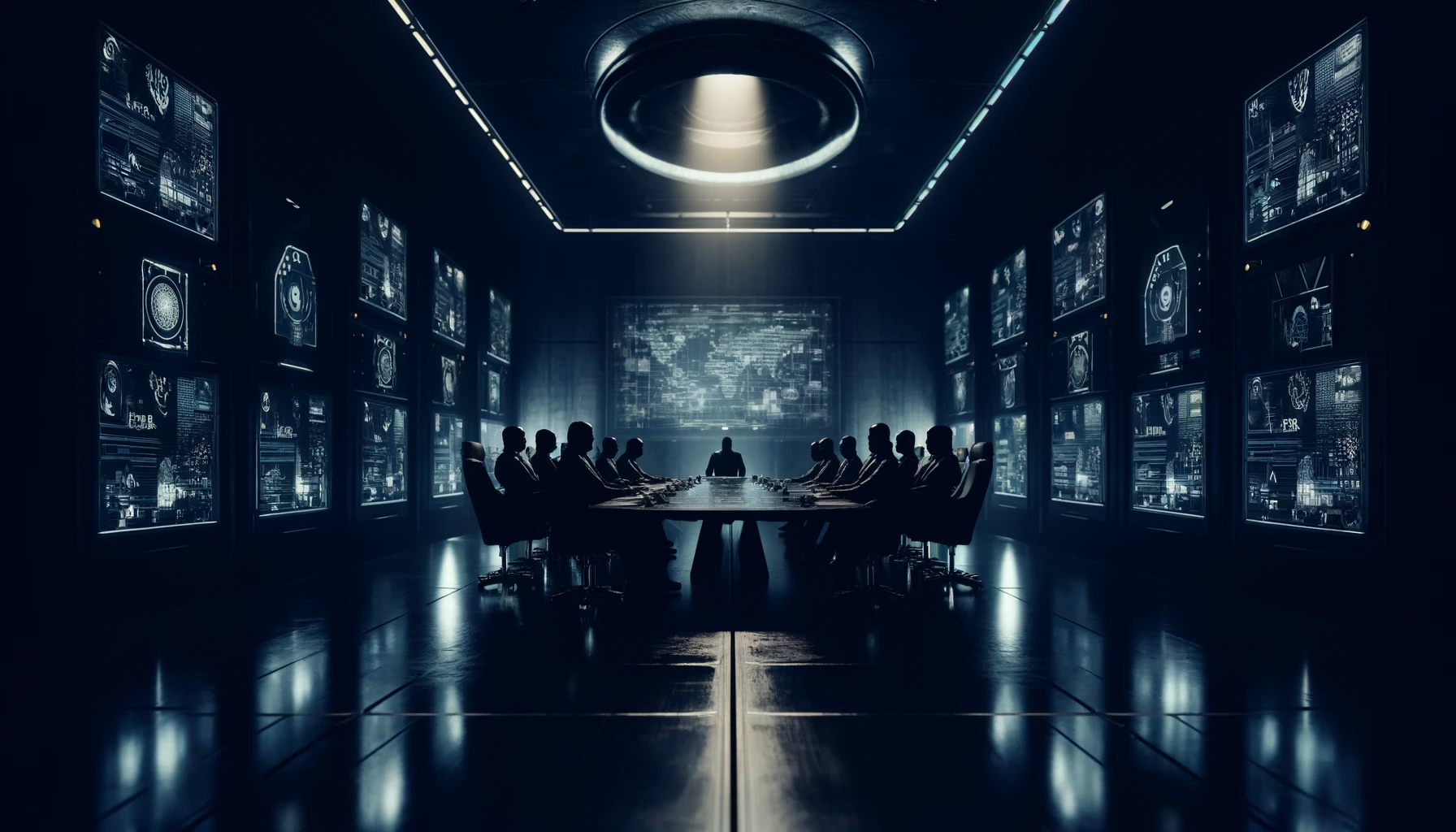
Harry Helms delves into the concept of a “shadow government,” defined as the legal and procedural frameworks that enable a president to assume extraordinary powers during a national emergency. Helms traces these mechanisms back to historical precedents, such as the internment of Japanese-Americans during World War II, highlighting their enduring potential for misuse.
Art and Helms discuss how such powers could theoretically transform a democracy into a dictatorship overnight. Helms emphasizes the sweeping authority these measures grant, including the ability to seize property, control the media, and detain individuals without due process. Art expresses incredulity at such scenarios but acknowledges the need to prepare for catastrophic events. Helms argues that while some level of emergency preparedness is necessary, current provisions are overly expansive and lack sufficient oversight, posing risks to constitutional liberties.
Helms proposes a constitutional amendment to formalize and limit the use of emergency powers. This amendment would outline procedures for government continuity, such as appointing a replacement president if the line of succession is compromised.
Art and Harry delve deeper into the implications of contingency plans like Rex 84 and broader emergency measures, discussing their origins, current relevance, and potential for misuse. Harry notes that such plans often emerge under the guise of preparing for large-scale crises, such as mass migrations due to conflict, but he argues their definition of “emergency” is overly elastic. This flexibility, he asserts, risks undermining constitutional freedoms, especially when emergency measures encroach on the rights of citizens without addressing the actual causes of threats.
Art plays devil’s advocate, questioning how national security can balance quick action with maintaining oversight and accountability. Harry emphasizes the need for clear definitions of emergencies and better enforcement of existing laws, rather than creating new, secretive powers that could be abused. He points to September 11 as a failure of coordination and enforcement, not a lack of emergency authority.
The conversation turns to modern surveillance technologies and their clash with privacy rights. Art acknowledges the tension between national security needs and the Fourth Amendment, highlighting the controversial Total Information Awareness program. Harry critiques such initiatives, questioning the relevance of personal data like medical or entertainment preferences in preventing terrorism and warning of their potential misuse. He argues for a more targeted and transparent approach to national security that respects constitutional protections.
The discussion becomes more alarming as Harry Helms details the infrastructure and readiness of a shadow government to take control in extreme national emergencies. He highlights Mount Weather as the likely command center, equipped with comprehensive radio and TV production facilities to disseminate official broadcasts. Art and Harry explore the potential for such an emergency state to permanently curtail fundamental rights, including freedom of expression, assembly, and property ownership.
Harry expresses skepticism about the government relinquishing power once obtained, citing history as a precedent. He warns that if the full measures of the shadow government were activated, the United States could slide into a state of perpetual emergency, fundamentally altering its democratic character. Art, reflecting the incredulity of many Americans, questions the plausibility of such scenarios but acknowledges that global examples and historical exercises, like Operation Garden Plot, suggest the potential for these events.
Harry further discusses military exercises in urban areas and studies indicating that a significant minority of U.S. troops would follow orders to fire on unarmed civilians, raising sobering concerns about the erosion of civil-military boundaries. This chilling prospect reinforces the importance of maintaining oversight and preventing abuses of power.
Harry Helms and Art Bell address callers’ perspectives on the themes of government overreach and personal responsibility in potential emergency scenarios. One caller highlights the book Behold a Pale Horse by Bill Cooper, discussing its theories on internment camps and government control. Harry acknowledges such camps’ theoretical potential, citing past executive orders like Roosevelt’s internment of Japanese-Americans during World War II. Art expresses some comfort that open discussions on these topics are still possible, suggesting this as evidence that the system hasn’t yet fully embraced authoritarian measures.
Another caller shares concerns about FEMA and its potential powers, particularly regarding martial law, but Harry clarifies that FEMA itself cannot declare martial law—it functions as a tool for the president or other authorities. Discussions about private prisons and the housing of prisoners outside the U.S. also arise, with Harry debunking rumors of Americans being detained overseas.
A recurring theme is the militarization of civilian law enforcement, with examples like the Waco siege and Operation Garden Plot. Harry warns about the blurring line between military and civilian operations, which could escalate quickly in emergencies, especially with units composed of individuals willing to follow unconstitutional orders.
The dialogue shifts to reflect on the symbolic and substantive implications of measures like Executive Order 9066, which authorized the internment of Japanese-Americans during World War II. Despite formal apologies and compensation decades later, Harry Helms underscores that the legal framework enabling such actions remains unchanged and could be applied again under a future president. He criticizes the ease with which national security measures erode fundamental rights, pointing out how the Bill of Rights often appears to be the first casualty in crises.
Art shares his perspective on the dichotomy of freedoms in America: the ability to openly discuss sensitive issues like government overreach signals a functioning democracy, but the persistent threat of authoritarian encroachment demands vigilance. Harry promotes his book Inside the Shadow Government, which delves into these topics with extensive documentation of laws, executive orders, and their implications. He notes the challenges of obtaining unredacted information through Freedom of Information Act requests, describing a passive-aggressive response from authorities.
Harry Helms highlights the unsettling reality of the militarization of civilian law enforcement. He points to official frameworks, such as the Army Field Manual 19-15, which allows a regional military commander to independently declare martial law under certain conditions. Art and Harry discuss the profound implications of such provisions, with Art expressing disbelief that such decisions could bypass higher civilian authorities. Harry confirms the legality of this measure, citing federal regulations and noting its surprising presence in standing law.
A caller draws parallels between historical propaganda campaigns and the potential for the U.S. government to manufacture crises to manipulate public opinion or target specific groups. Harry agrees, warning against reliance on international law to restrain U.S. actions. He emphasizes that the ultimate safeguard against government overreach is the vigilance and active participation of the American people. Both he and Art stress the need for a national debate on how to handle crises while preserving constitutional freedoms.
The discussion underscores the precarious balance between security and liberty, urging awareness and transparency as essential defenses against authoritarian measures. Harry suggests that clear criteria for deploying federal troops in emergencies could help maintain trust while addressing genuine needs.
Harry Helms continues to explore the troubling potential of unchecked presidential powers during a declared national emergency. Art speculates about a scenario in which an “evil president” could use six months of unchecked authority to establish dictatorial control, questioning if this timeframe would be sufficient. Harry references historical precedents like Lincoln’s actions during the Civil War—such as shutting down newspapers and arresting dissenters—highlighting how emergency powers can lead to significant overreach. He notes that modern presidents possess even more expansive powers than Lincoln did.
A caller raises concerns about supposed United Nations occupation troops and alleged Soviet-era weapons supplied to suppress American resistance. Harry dismisses these claims as unverified but acknowledges the U.S. government’s documented interest in non-lethal population control, such as mind control experiments conducted in the 1950s with LSD. Art expands on this with a discussion of HAARP and its speculated ability to influence human emotions, questioning whether such technologies could be used against citizens. Harry suggests that governments often explore non-lethal control methods to maintain authority.
Another caller inquires about rumors of railcars with sprinkler systems for dispensing chemical agents and crematories allegedly being installed in old railroad stations. Harry identifies these as persistent but unverified rumors, underscoring the difficulty of distinguishing between conspiracy theories and potential truths in the context of government secrecy.
Art Bell and Harry Helms address a variety of topics brought up by callers, ranging from rumors about the Denver International Airport allegedly housing a detention camp to questions about the legacy and potential implications of historical programs like Rex 84. Harry acknowledges the rumors but maintains a measured stance, pointing out the lack of verifiable evidence for some claims, such as the alleged facilities beneath the Denver airport.
The conversation briefly shifts to lighter topics, such as the hobby of ham radio operation. Harry outlines the affordability and accessibility of ham radio as a hobby, encouraging listeners to consider it. Both Art and Harry take a moment to reflect on the joys of radio as a medium for communication and exploration.
Returning to the main theme, Art contemplates the plausibility of scenarios involving government overreach, highlighting the surreal but conceivable reality of a shadow government. He notes the tension between imagining dystopian scenarios and acknowledging the framework in place that could enable them. Harry reaffirms that many legal mechanisms for extraordinary government control already exist, stressing that only the will of a determined leader would be required to activate them.
Art and Harry delve deeper into the pervasive anxiety about government overreach, conspiracy theories, and the realities of military presence on U.S. soil. Harry shares a quote from Senator Charles Mathias in 1975, outlining the sweeping powers available to the president under existing statutes, such as the ability to seize property, control transportation, impose martial law, and regulate private enterprise. Harry emphasizes that these powers have only expanded since the 1970s.
Callers raise concerns about rumors of foreign troops, such as Chinese and Russian forces, allegedly stationed near U.S. borders or ready for a takeover. Harry acknowledges hearing these rumors but points out the lack of credible evidence. He suggests two potential sources for such stories: genuine fears about China as a geopolitical adversary or deliberate misinformation possibly originating from the government itself as a cover or disinformation strategy.
A caller from Tennessee describes experiences with unexplained military roadblocks where he was forcibly removed and searched without explanation. Harry questions whether the caller was near a military facility but receives a clear denial.
The conversation intensifies as Art Bell discusses a caller’s account of military roadblocks in Tennessee. The caller describes being forcibly removed from his vehicle, searched, and even physically harmed despite no apparent military facility nearby. Harry Helms expresses surprise at such inland incidents, noting that similar occurrences have been documented near U.S. borders but not deeper within the country. Art and Harry debate the implications, questioning the necessity of military involvement in civilian law enforcement and its potential overreach.
The dialogue shifts to historical context, with a caller referencing counterinsurgency measures under the Johnson administration, such as monitoring student protests and the creation of Operation Garden Plot. Harry confirms the historical surveillance and suppression of protests, noting its culmination in events like the Kent State shootings. This serves as another example of the military’s encroachment on civilian matters during periods of unrest.
Finally, a philosophical inquiry is introduced when a caller brings up the views of Aristotle and Thomas Aquinas, who favored monarchy as a stable form of governance. The caller speculates whether the current contingency plans for martial law and centralized control reflect a regression toward monarchical principles in times of crisis.
The show concludes with Art Bell and Harry Helms reflecting on the broader themes of the night’s discussion. Harry invokes Benjamin Franklin’s famous quote, “Those who would sacrifice liberty for security deserve neither,” as a central takeaway. He emphasizes that the goal of his book, Inside the Shadow Government, is to both inform and inspire readers to take an active role in safeguarding democratic principles. Harry expresses hope that readers will leave with a mix of concern, determination, and a drive to prevent the dystopian scenarios discussed.
Art acknowledges the defeatism some Americans feel about the impact of their political involvement, but Harry argues against this mindset, suggesting that citizen participation is crucial and worth the effort. He insists that change is possible and necessary, especially in the face of potential governmental overreach.