
The Coast to Coast AM episode hosted by Art Bell on November 26, 2006, delves into a variety of topics blending personal insights, global events, science, and open-line discussions with callers. Art starts with a vivid description of Typhoon Durian’s approach to the Philippines, drawing comparisons between the storm and the notoriously sharp and odorous fruit of the same name. He transitions to broader current events, covering the sectarian conflict in Iraq, an escalating political situation in Ecuador, and peculiar controversies like a Colorado homeowner fined for displaying a peace-sign wreath. Art also weaves in anecdotes about music preferences and cultural observations from his life in Manila.
Art touches on a wide range of scientific phenomena, including an exploration of quantum mechanics with a focus on “quantum retrocausality,” where photons may theoretically move backward in time. This leads to discussions about time travel and entanglement, ideas he admits are fascinating yet perplexing. He shares awe at the achievement of a 17-year-old creating nuclear fusion in his basement, juxtaposing such groundbreaking innovation with existential musings on human mortality, as inspired by a recent William Shatner interview.
The episode transitions into open-line discussions, where callers pose questions ranging from philosophical to speculative, such as the integration of wisdom into artificial intelligence and the ethical implications of creating superhumans. Personal exchanges reveal Art’s thoughts on his impending fatherhood, cultural adjustments in his marriage, and lighter moments about music and nostalgia. A unique caller recounts a strange experience involving a mysterious lump on their chest, adding an element of the paranormal and bizarre.
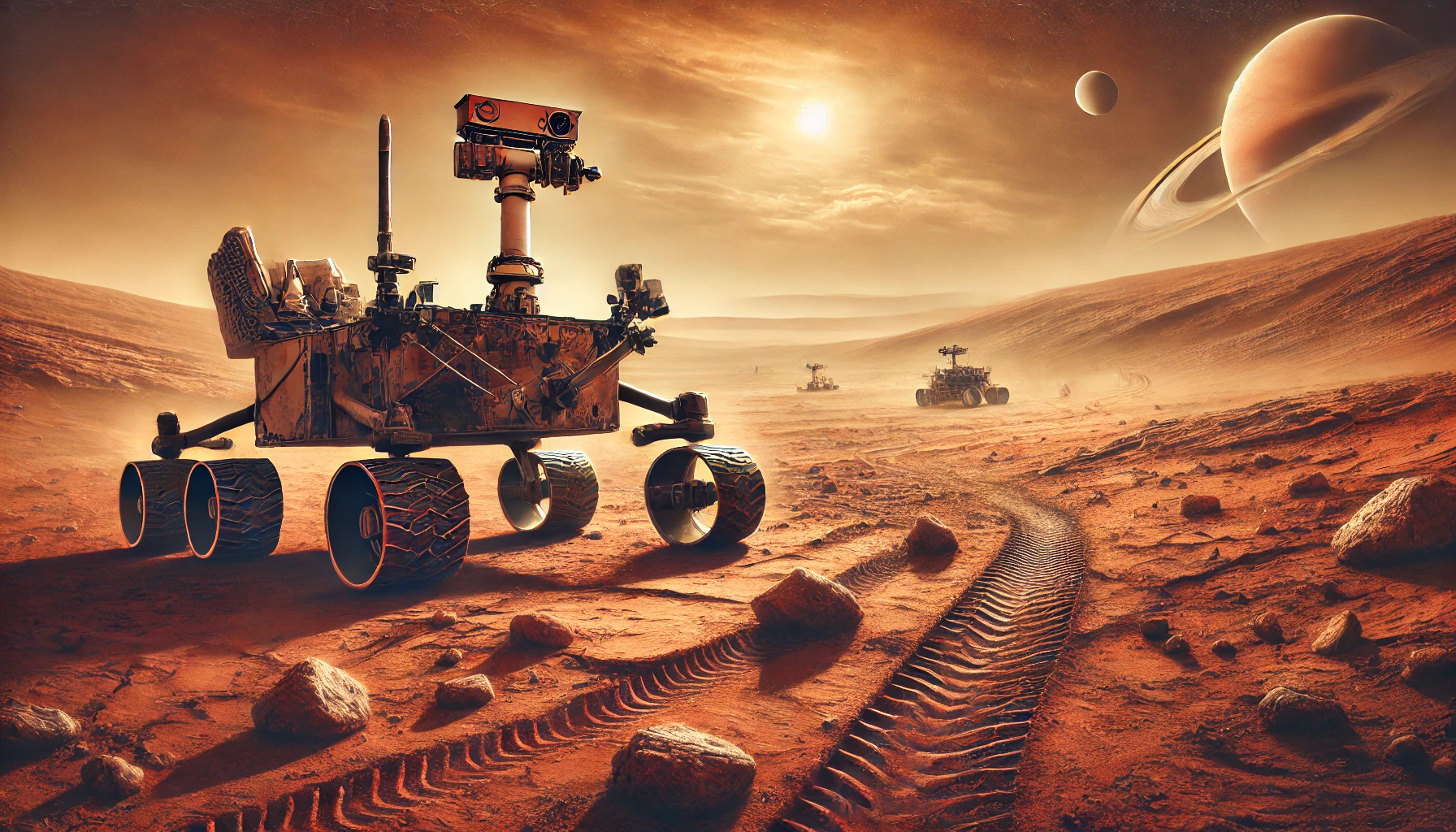
Art introduces Professor Jim Bell from Cornell University, who joins to discuss his work with NASA’s Mars Rover missions. Jim provides insights into the study of Mars’s geology and mineralogy, particularly through the PanCam Color Imaging System, adding a compelling scientific anchor to an eclectic episode.
The discussion with Professor Jim Bell, a Cornell University astronomer and lead scientist on NASA’s Mars Rover missions, provides a detailed look into the cutting-edge research and discoveries on the Red Planet. Jim elaborates on the sophisticated capabilities of the PanCam Color Imaging System aboard the Spirit and Opportunity rovers, explaining how these devices capture high-resolution images to study Mars’s geology, climate history, and potential for harboring life. He shares the excitement of interpreting images of Martian landscapes, which include evidence of past water activity like dried riverbeds and mineral deposits that suggest a wetter and potentially habitable environment in Mars’s ancient past.
Art and Jim discuss the infamous “skull” image from Mars, which has captured public imagination. Jim provides a scientific perspective, attributing such formations to pareidolia—a psychological phenomenon where humans see recognizable shapes in random objects, like rocks. While Art remains skeptical about extraordinary claims, the conversation underscores the broader importance of the rovers in demystifying Mars’s surface features.
Jim also touches on the logistical challenges of Mars missions, such as the intricate coordination needed to maintain communication with the rovers and the careful planning required to navigate their journeys across hazardous terrains. The interview highlights the resilience of the rovers, originally designed for a 90-day mission but lasting far beyond expectations, providing years of valuable data.
As the interview continues, Jim Bell expands on the technological marvels behind the Mars Rover missions and their broader implications. He delves into how the imaging systems not only capture breathtaking visuals but also allow scientists to analyze the chemical composition of Martian rocks and soil. Using advanced spectroscopy, the rovers can detect key elements and compounds, shedding light on Mars’s climatic history and geological evolution. Jim emphasizes the importance of understanding these factors as humanity considers the feasibility of future manned missions to Mars.
Art asks Jim about the possibility of ancient civilizations on Mars, reflecting the program’s penchant for exploring speculative ideas. Jim, maintaining a scientific perspective, acknowledges that while the rovers have found no direct evidence of intelligent life, the discovery of sedimentary structures and potential water-related minerals points to a dynamic and habitable environment billions of years ago. He reiterates that finding microbial fossils or signs of past life would be one of the most transformative discoveries in human history.
The discussion also touches on the upcoming Mars Science Laboratory mission (later known as Curiosity), which aims to carry even more sophisticated instruments to expand on the work of Spirit and Opportunity. Jim expresses enthusiasm about the future of Mars exploration, noting the collaborative international efforts involved and the potential for groundbreaking findings in the coming decades.
Art and Jim exchange thoughts on the philosophical implications of finding extraterrestrial life, with Jim highlighting the unifying effect such a discovery could have on humanity. Art, ever the provocateur, asks Jim about the potential for government cover-ups regarding extraterrestrial findings, a recurring theme on Coast to Coast AM. Jim tactfully steers the conversation back to the openness of NASA’s data-sharing policies, emphasizing transparency and collaboration in scientific research.
Following the conclusion of the formal discussion with Professor Jim Bell, Art transitions into reflecting on the broader themes of the conversation. He marvels at the longevity and achievements of the Spirit and Opportunity rovers, praising the ingenuity of the scientists and engineers who made these missions possible. Art highlights the profound sense of wonder that the exploration of Mars evokes, noting how the images and data sent back by the rovers connect everyday people to the vastness of space.
As the open-line segment resumes, callers share their thoughts and questions about the Mars discussion. Some express excitement about the potential for future discoveries, while others offer their own theories about Mars’s history and the possibility of hidden evidence of past life. One caller proposes the idea of ancient structures buried beneath the Martian surface, speculating about the role of advanced imaging technologies in uncovering such secrets. Art humorously entertains the idea while keeping the focus on the scientific breakthroughs discussed earlier.
Art also revisits the topic of time travel, tying it to the quantum experiments mentioned earlier in the show and their implications for space exploration. He suggests that unlocking the mysteries of quantum mechanics might one day allow humanity to overcome the vast distances between stars, enabling interstellar exploration in ways that seem like science fiction today.
The episode’s closing moments bring a mix of light-hearted banter and deeper contemplation. Art thanks listeners for their participation and engagement, remarking on the unique blend of science, philosophy, and the unknown that Coast to Coast AM offers. He teases upcoming guests and topics, hinting at more conversations that will delve into the mysteries of the cosmos, the possibilities of extraterrestrial life, and the cutting-edge science shaping the future.
Art signs off from Manila, reflecting on the looming Typhoon Durian and the unpredictability of nature, much like the vast, unpredictable universe that was the focus of the night’s discussions.