
The show opens with a planned discussion with Ed Dames about a concerning agricultural issue: a new strain of wheat blight, UG-99, which threatens global wheat production. Despite Dames’ absence, Art delves into the blight’s potential catastrophic impact on food supply, noting its rapid spread and the scientific community’s rush to develop resistant wheat varieties. Alongside this, Art shares personal anecdotes, mentioning his battle with the flu and inviting listeners to share their experiences with a product called “Pizza Punch.” Additionally, Art touches on global developments, like Asia’s escalating space race and its implications for national security.
Art reflects on the career of a broadcaster who was recently fired, pondering the impact of words in media and the future of careers cut short by controversy. Art then transitions to discuss a major pet food contamination crisis, revealing that 39,000 pets, mainly cats, were affected, a significant increase from initial reports. He underscores the importance of this data, highlighting the correlation between the contamination and increased cases of kidney failure in pets. The show then moves to listener calls, providing a platform for diverse topics, including the alarming decline in bee populations across the U.S. and Europe. Art introduces a hypothesis linking mobile phone radiation to the bees’ navigation issues, contributing to the phenomenon known as colony collapse disorder.
Art continues his dialogue with listeners, delving into the speculated causes of the declining bee populations. A caller suggests that the frequency emitted by cell phones might be impacting the bees, paralleling concerns about the effects of electromagnetic radiation on human health. Another caller introduces a theory from cellular biology, proposing that cell phone frequencies could alter cell membranes, potentially affecting intercellular communication and the body’s immune system. Art reflects on the broader implications of electromagnetic exposure, recalling a study on the effects of radio frequencies on amateur radio operators, which indicated potential risks at higher frequencies. He acknowledges the critical role of bees in pollination and the urgent need to understand and address these environmental challenges. Art also shares a personal anecdote about his flu experience, adding a human touch to the scientific and environmental discussions.
One caller suggests using modern technology to track bees, potentially using RFID chips to understand and mitigate the impacts of environmental threats on bee populations. This idea underscores the search for innovative solutions to ecological crises.
Another part of the conversation shifts to the topic of UFOs and government secrecy. A caller questions if the government possesses advanced extraterrestrial technology, why it continues to rely on conventional space travel methods, potentially risking astronauts’ lives. Art maintains a skeptical but open-minded stance, acknowledging the possibility of hidden knowledge while emphasizing the importance of verifiable evidence.
The discussion also touches on personal experiences with the paranormal. A caller from San Diego recounts a childhood memory of seeing three blue faces, resembling holograms, which appeared during fevers and seemed to attempt communication. Art relates this to his own fever-induced visions, suggesting that such experiences, while profound, can often be attributed to the mind’s responses to illness or medication.
The segment concludes with a suggestion to develop artificial bees through nanotechnology as a potential solution to declining bee populations, highlighting the intersection of technology and nature conservation efforts. Art, however, expresses skepticism about humanity’s current capability to replicate the complex role of bees in pollination.
The discussion on “Coast To Coast AM” continues with Art Bell exploring the potential of tracking bees using technology, such as RFID chips, to better understand their behaviors and the challenges they face. This idea highlights the intersection of technology and environmental conservation, even as Art expresses skepticism about humanity’s current ability to create artificial bees for pollination.
The conversation then shifts to the controversy surrounding broadcaster Don Imus, comparing his situation with Howard Stern’s, and reflecting on the impact of media personalities’ comments on society and the radio industry. Art emphasizes the business aspect of radio, noting how the withdrawal of sponsors can dictate the fate of shows and personalities.
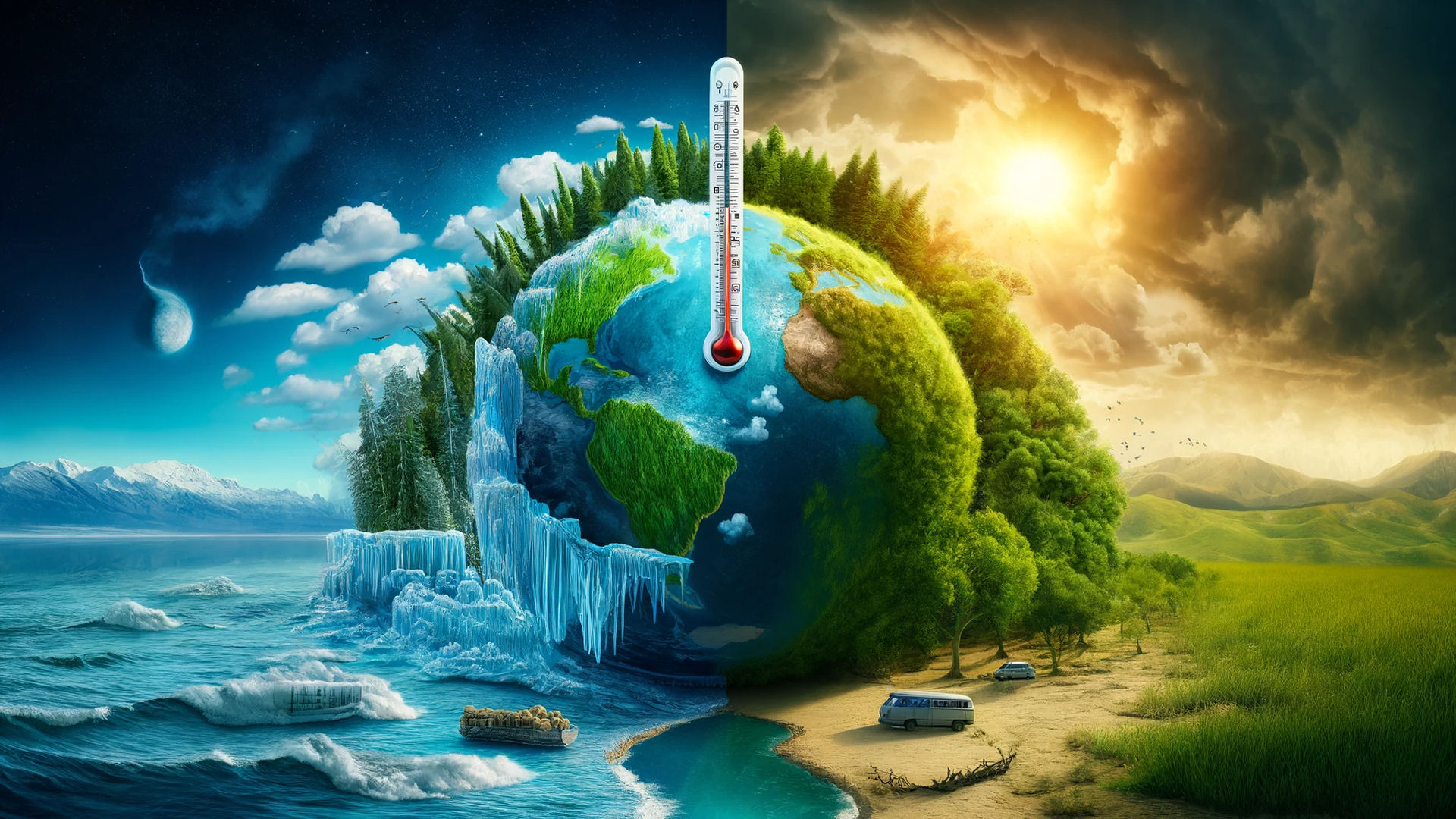
Additionally, Art addresses a caller’s inquiry about global warming, sharing his view that climate change is a combination of human activities and natural earth processes. He acknowledges the complexity of the issue, pointing out the significant impacts even minor temperature changes can have, especially in northern latitudes where ice melt can exacerbate warming.
Art also teases an upcoming interview with Brenda Ekwurzel, an expert on climate change, indicating a deep dive into the subject to provide listeners with a more comprehensive understanding of the issue.
A caller from Canada discusses a controversial documentary claiming to have found the tomb of Jesus, sparking a debate on its potential impact on Christianity and other religions. Art expresses skepticism about the claim, emphasizing his regular news monitoring and the lack of credible evidence supporting the documentary’s assertions.
The discussion transitions to a more light-hearted theory inspired by the “X-Files” movie, where a caller suggests that the disappearing bees might be part of a government conspiracy or a scenario akin to the film’s plot. This playful conjecture highlights the show’s openness to exploring a wide range of ideas, no matter how unconventional.
Art then addresses a caller’s mention of “Step It Up,” a campaign focused on addressing global warming and reducing emissions, setting the stage for an upcoming expert interview.
Art Bell delves deeper into the topic of climate change with Dr. Brenda Ekwurzel, a climate scientist, who explains the distinction between weather and climate, emphasizing that climate science examines long-term patterns rather than individual weather events. Dr. Ekwurzel clarifies that while natural cycles continue, human activities have added significant heat-trapping gases to the atmosphere, exacerbating the warming trend.
The conversation then turns to the specific impacts of climate change, with Dr. Ekwurzel highlighting the Southwest United States as a region of concern due to increased risks of wildfires, brutal heat waves, and prolonged droughts. These changes pose significant challenges to water resources and necessitate planning and adaptation to mitigate their effects.
Expanding the scope beyond the U.S., Dr. Ekwurzel touches on the global repercussions of climate change, particularly for the Pacific islands, which face dire consequences if current trends continue. This part of the discussion underscores the universal nature of climate change, affecting regions worldwide in various ways.
Dr. Brenda Ekwurzel continues her discussion with Art Bell on climate change, focusing on the dire implications of continued greenhouse gas emissions. She explains that the projections often represent worst-case scenarios based on current emission trends, emphasizing that there’s still an opportunity to mitigate these effects by reducing emissions.
The conversation shifts to the consequences of sea level rise, particularly for coastal and island communities. Dr. Ekwurzel highlights that sea level rise, accelerated by the thermal expansion of oceans and melting land-based glaciers, poses significant threats to regions like the Pacific islands and densely populated areas in Asia, such as Bangladesh. These regions face the dual threats of sea level rise from oceans and potential flooding from glacial melts.
Addressing concerns about the censorship of climate science, Dr. Ekwurzel shares findings from a survey indicating that some scientists felt restricted in communicating their research to the public, especially regarding topics like global warming. She notes that while scientists could publish in academic journals and present at conferences, there were constraints on their interactions with the media, often influenced by public affairs officials.
Dr. Ekwurzel explains the methodology scientists use to distinguish between natural climate variability and the impact of human-induced greenhouse gases. By analyzing data from various sources, including solar output, volcanic activity, and atmospheric gas concentrations, scientists can discern the anthropogenic contribution to climate change.
Dr. Brenda Ekwurzel continues her insightful discussion with Art Bell, elucidating how scientists use models to discern the human contribution to climate change. By incorporating both natural and man-made factors into their models, scientists have found that the recent warming trend aligns closely with the increase in anthropogenic heat-trapping gases, not just natural variability.
Ekwurzel explains the rigorous process behind the Intergovernmental Panel on Climate Change (IPCC) reports, where both scientists and government representatives meticulously review the content. She notes that while the reports aim to present a consensus view, they sometimes lean towards conservative estimates, particularly regarding the future impacts of climate change on global populations. The process is inherently delicate, balancing scientific findings with the political and social implications of the projected data.
The conversation then shifts to the real-world impacts of climate change, highlighting the disproportionate effects on vulnerable populations. Ekwurzel points out that while industrialized nations have more resources to adapt, individuals within these nations, especially those who are economically disadvantaged or have health issues, are particularly at risk during extreme weather events like heatwaves.
Art Bell and Dr. Brenda Ekwurzel delve into the quantifiable human impact on climate change. Ekwurzel confirms that human activities are responsible for more than 50% of the observed increase in global average temperatures since the mid-20th century, emphasizing that this percentage is escalating over time, pushing the climate beyond its natural variability.
A significant point of discussion is the United States’ contribution to global greenhouse gas emissions. Despite comprising only about 4% of the world’s population, the U.S. contributes approximately a quarter of the annual global emissions. Ekwurzel highlights the rapid industrial growth in China, projecting that it may soon surpass the U.S. in annual emissions, underscoring the need for a global response to this challenge.
The dialogue also touches on the potential for the U.S. to lead in innovative solutions for climate change, suggesting that American ingenuity, which has led to advancements like the Apollo project and silicon chip, could be pivotal in developing technologies for cleaner energy and carbon capture.
Dr. Brenda Ekwurzel provides a vivid depiction of her experiences at the North Pole, witnessing vast tracts of open water where she expected dense ice, highlighting the dramatic decline in summer sea ice extent over the years. This decline poses significant threats to marine fauna and other species adapted to the Arctic’s unique environment, emphasizing the urgent need for climate action.
She explains the alarming acceleration of sea ice volume loss, far surpassing natural variability. The conversation then delves into the reasons why the Arctic is particularly vulnerable, with Ekwurzel illustrating how the melting of reflective ice surfaces accelerates warming by exposing darker surfaces that absorb more solar energy, a process known as the albedo effect.
Ekwurzel underscores the critical timeframe humanity faces to mitigate the most severe consequences of climate change. She emphasizes the need to start reducing emissions significantly within the next decade to avoid locking in long-term climate impacts from infrastructure decisions made today. The importance of transitioning to renewable energy sources and efficient technologies is highlighted as a way to decrease heat-trapping emissions and curb global warming.
The discussion also touches on the persistence of carbon dioxide in the atmosphere, explaining why immediate action is crucial as today’s emissions will have lasting effects, making future mitigation more challenging and expensive.
Dr. Brenda Ekwurzel discusses the imperative balance between adaptation and mitigation in the face of climate change. She stresses that while adaptation is necessary to deal with unavoidable changes, mitigation is crucial to prevent the most severe and costly impacts. Highlighting the inertia in the climate system, Ekwurzel explains that even if emissions were halted today, some warming would still occur due to past emissions, emphasizing the urgent need for both immediate and long-term action.
Ekwurzel touches on the disproportionate effects of climate change on different regions and communities, particularly those without the means to adapt easily. She argues for international cooperation to assist those most affected and to implement global emission reduction strategies.
The conversation also delves into the potential catastrophic outcomes of unmitigated climate change. Ekwurzel points out the risk of thawing permafrost in polar regions, which could release vast amounts of greenhouse gases, further accelerating warming. She warns of a tipping point beyond which the climate system could shift irreversibly, leading to rapid and uncontrollable changes.
The discussion underlines the critical need for a swift transition to energy-efficient and renewable solutions to reduce emissions and the role of global leadership in driving this change. Despite individual efforts toward sustainable practices, Ekwurzel suggests that without significant policy shifts and international collaboration, the path toward severe climate impacts remains a concerning possibility.
Dr. Brenda Ekwurzel delves into the potential consequences of reaching a critical tipping point due to unmitigated climate change. She explains that if global temperatures rise significantly, it could trigger irreversible melting of major ice sheets like those in Greenland and West Antarctica, leading to substantial sea level rise.
Ekwurzel illustrates the severe impacts of such sea level rise, noting that it could inundate major cities and island nations, fundamentally altering global geography and displacing populations. The urgency of the situation is underscored by the fact that the earth is already halfway to the lower end of the temperature increase range that could initiate this irreversible ice melt.
The metaphor of driving toward a cliff on a foggy night is used to describe humanity’s current trajectory with climate change. The “fog” represents the uncertainty about how quickly the tipping point might be reached, emphasizing the need for immediate action to slow down and prevent a catastrophe.
Dr. Brenda Ekwurzel elaborates on the severe implications of reaching a tipping point in climate change, particularly focusing on the potential catastrophic melting of the Greenland ice sheet and the West Antarctic ice sheet. This scenario could lead to a sea level rise of around 23 feet, drastically affecting coastal cities and regions globally, including New York City, Louisiana, and the Florida Keys.
Ekwurzel addresses the common argument that warming on other planets, like Mars, suggests a solar cause for Earth’s climate change. She refutes this by pointing out that the stratosphere is cooling while the troposphere is warming, a pattern inconsistent with solar-induced warming. This pattern, she explains, indicates that Earth’s warming is primarily due to heat-trapping gases in the atmosphere, not changes in solar energy.
The discussion also touches on the public’s resistance to acknowledging human-induced climate change, suggesting that it may stem from a reluctance to alter lifestyles or a sense of guilt over the environmental impact of modern living. However, Ekwurzel expresses hope, emphasizing that because humans are significantly driving climate change, there’s potential to alter this course through political will and the adoption of existing clean energy technologies.
Dr. Brenda Ekwurzel emphasizes the importance of not burdening future generations with the consequences of climate change. She suggests that while individual lifestyle changes are vital, broader systemic changes are necessary to provide consumers with more sustainable choices. For example, implementing smart technologies and more energy-efficient appliances can reduce energy consumption without altering individual lifestyles.
Ekwurzel points out that while some business leaders are taking initiatives to reduce their carbon footprint and improve efficiency, overall national action remains insufficient. She addresses the idea of geoengineering, like deploying mirrors in the stratosphere to reflect sunlight and cool the Earth. However, she notes that this doesn’t address the core issue of accumulating carbon dioxide, which has long-lasting effects on the climate.
The segment concludes with Art Bell transitioning back to the show’s broader discussions, touching upon various topics, including a mysterious wheat blight threatening global food security, illustrating the multitude of challenges beyond climate change that humanity faces.
Art Bell transitions from discussing the flu he’s experiencing to various topics on his show. He mentions the release of a product called “Pizza Punch” and shifts to discussing environmental and technological issues. Bell talks about the impact of severe wind storms in the west, mentioning their progression eastward and the casualties they’ve caused.
He then touches on international affairs, noting China’s advancements in space and its implications for national security. Bell also revisits the firing of broadcaster Don Imus, reflecting on the broader implications of his controversial statements and the role of sponsors in determining his fate.
The conversation shifts to a pet food contamination crisis, highlighting the significant number of cats and dogs affected, which illustrates broader concerns about food safety and industrial chemicals.
Bell opens the lines for listener calls, offering a platform for a range of topics, including the intriguing theory that mobile phone radiation could be contributing to the decline of bee populations, potentially impacting global food supply.
Art Bell continues to explore various topics, delving into the mysterious phenomenon of colony collapse disorder affecting bees, a crucial pollinator species. The discussion touches on a theory suggesting that mobile phone radiation could interfere with bees’ navigational systems, leading to their inability to return to their hives.
Listeners call in to share their thoughts, with one speculating about the potential influence of electronic frequencies on bees, while another shifts the conversation to the impact of cell phone radiation on human cells. The latter caller references Bruce Lipton, a cellular biologist, discussing how cell phone frequencies might affect cellular functions, particularly the cell membrane, which Lipton describes as the “brain of a cell.”
Art discusses an idea of using RFID chips or similar technology to monitor bee hives unaffected by the mysterious ailments impacting them.
Listeners contribute various theories and concerns, ranging from the effects of cell phone radiation on both humans and bees to speculative discussions about government knowledge of extraterrestrial technologies. One caller speculates about the implications of advanced alien technology on human space travel, pondering the ethics and wasted potential if such technologies exist yet remain undisclosed.
One caller discusses an experience with seeing three blue faces while ill as a child, prompting a conversation about the effects of fever on perception and the brain’s response to sickness. Another caller brings up the idea of using nanotechnology to create artificial bees to compensate for colony collapse disorder, a concept Bell finds intriguing but premature given current technological capabilities.
The discussion shifts to a listener expressing concerns about tracking bees with technology, pondering how quickly such a system could be implemented. Bell acknowledges the potential but notes the limitations of current technology in replicating the natural behaviors of bees.
Conversation veers into a critique of the radio industry, reflecting on Don Imus’s firing and comparing it to other broadcasters’ experiences. This prompts a broader discussion on the content and tone of radio shows, with Bell and callers debating the necessity and impact of shock content in broadcasting.
A caller from Canada brings up a documentary suggesting the discovery of Jesus’s tomb, sparking a conversation about its implications on Christianity and other monotheistic religions. Bell expresses skepticism about the claim, noting that such a discovery would have garnered much more media attention if it were substantiated.
Dr. Edwards emphasizes the distinction between weather and climate, explaining that climate scientists study long-term trends rather than individual weather events.
Bell and Dr. Edwards explore how climate change is not merely about short-term fluctuations but involves examining patterns over decades and even millennia. They touch upon the significant role of human activity in the recent unprecedented levels of heat-trapping gases in the atmosphere, affecting the Earth’s climate.
Dr. Brenda Edwards discusses the impacts of climate change, emphasizing that while natural cycles continue, human activities have significantly influenced recent temperature trends. She highlights the Southwest United States as a region at high risk due to its increasing vulnerability to wildfires, heatwaves, and water shortages. This conversation extends to the global context, addressing the broader implications of sea level rise, especially for low-lying areas like Pacific islands and densely populated regions such as Bangladesh.
The dialogue also touches on the challenges faced by climate scientists in communicating their findings, with some reporting restrictions on public discourse.
Dr. Brenda Edwards elaborates on the significant role human activities play in climate change, distinguishing between natural cycles and the added impact of anthropogenic factors. She discusses how scientists differentiate between normal cyclical changes and the effects of human-emitted greenhouse gases by comparing observed data with model simulations that include various climate influencers.
Edwards highlights the rigorous process behind the Intergovernmental Panel on Climate Change (IPCC) reports, where scientists and government representatives review the content. She notes that some numbers in the reports are adjusted to reflect different future scenarios, ensuring that the conclusions drawn are based on a comprehensive analysis of potential outcomes.
Dr. Brenda Edwards continues to address the complexities of climate change, emphasizing the human contribution to global warming. She notes that while natural cycles persist, human activities have significantly amplified the rate of change, positioning humanity as a primary driver of recent climatic shifts.
The conversation touches on the methodological nuances of climate science, particularly how the Intergovernmental Panel on Climate Change (IPCC) synthesizes various data and predictions to provide a conservative, consensus-based perspective on climate trends and their implications.
Dr. Edwards highlights the disproportionate impacts of climate change, pointing out that the most vulnerable populations are those in less affluent countries or individuals within wealthier nations who lack resources to adapt to extreme weather events, like heatwaves.