
Art introduces the show by sharing some personal anecdotes, starting with a back injury story, then transitioning to his thoughts on being authentic in radio hosting. He mentions how aspiring hosts often ask for advice, and his consistent response is to “be yourself” since authenticity is critical in long-form talk radio. Art humorously reflects on his experiences and how he navigates the unpredictable nature of back pain while expressing his gratitude for still being able to host despite discomfort.
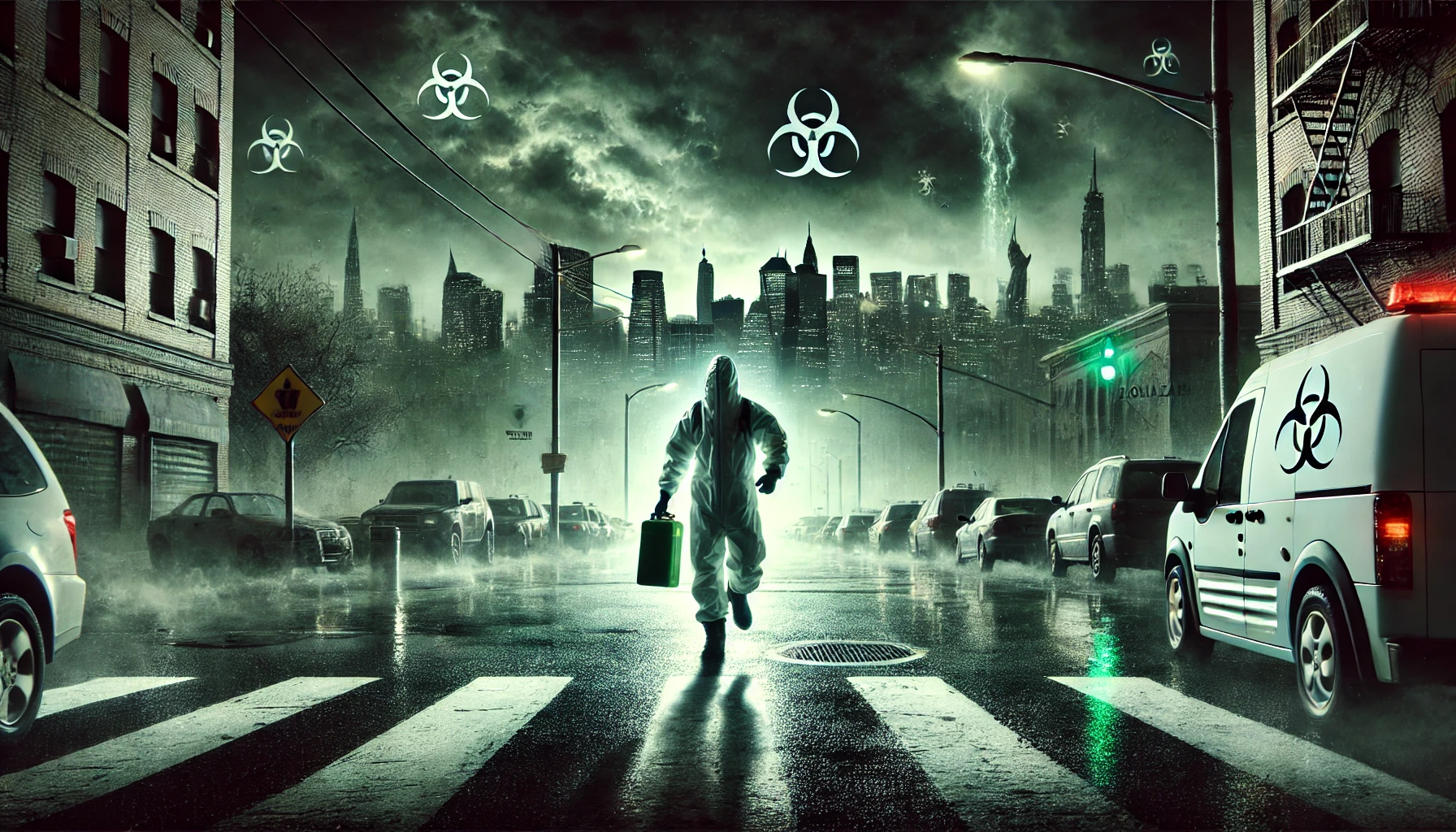
He then moves on to a more serious topic, introducing his guest, Charles Faddis, a former CIA operations officer who specialized in biological terrorism. Charles explains that he was involved in clandestine operations for over 20 years, dealing with some of the most dangerous terrorist organizations. Art and Charles dive into the chilling realities of biological weapons, particularly the dangers of naturally occurring pathogens like smallpox, which remain a real threat despite claims of extinction.
The conversation highlights the dual use of research on pathogens, as Charles discusses how even defensive research on diseases can create new risks. He emphasizes the terrifying potential for engineered biological agents, noting how terrorists willing to die for their cause could use such agents in attacks. Charles points out that while the U.S. claims to have walked away from offensive biological weapon programs, defensive work continues, and the line between the two can blur.
The two also touch on the intelligence failures leading up to the Iraq war, with Charles sharing stories about misleading intelligence and Saddam Hussein’s attempts to deceive both the UN and his own military officials. Charles describes the twisted logic of Saddam’s regime and the complexities of gathering intelligence in Iraq. Despite many rumors, Charles confirms there were no significant findings of weapons of mass destruction in Iraq, but clarifies that the U.S. administration had already committed to invasion well before conclusive evidence was gathered.
Art wraps up by acknowledging how discussions like this make the threat of biological warfare seem even more real, particularly given Charles’ deep knowledge and experience. They emphasize the importance of intelligence work but note that the bureaucratic handling of human intelligence in Washington often hampers effectiveness.
Charles elaborates on the state of U.S. intelligence, explaining that while there are many dedicated individuals working in the field, the system itself is flawed. He points out that bureaucracy in Washington often stifles the effectiveness of intelligence operations, particularly when it comes to human intelligence—spies and undercover agents. According to Charles, espionage cannot be run like a standard government agency with rigid rules and large teams. Instead, success in intelligence requires a small, nimble group of innovative people who can think outside the box and be aggressive in their tactics.
Art presses Charles on whether the U.S. has fully disposed of its biological weapons, considering that defensive research still continues. Charles hesitates, carefully choosing his words, and states that while the U.S. has likely moved away from offensive programs, he’s never absolutely certain about anything in the intelligence world. His cautious tone suggests that even though official policies may say one thing, there could always be hidden programs or stockpiles that aren’t publicly acknowledged.
They also discuss the role of intelligence in preparing for the Iraq invasion, with Charles revealing that as early as 2002, the decision to invade Iraq had already been made. His team was tasked with preparing the ground for an invasion, not determining whether weapons of mass destruction actually existed. Charles clarifies that while the official reason for the war was the presence of these weapons, the decision to remove Saddam Hussein was likely set regardless of what intelligence was gathered.
Art and Charles reflect on the complex nature of modern warfare, where biological and chemical weapons are difficult to control, and once released, they spread beyond borders and affect civilians indiscriminately. They explore how the risks of biological agents are compounded by global travel, with pathogens easily crossing continents in a matter of hours. Art expresses concern over the potential for engineered diseases to be used by terrorists, especially those willing to die in the process, making biological terrorism an even more frightening prospect.
Charles explains that when his team was sent into Iraq in 2002, it was not with the mission to determine if weapons of mass destruction (WMDs) existed. Instead, they were sent with the assumption that Iraq already had such weapons and their job was to prepare for the inevitable invasion. Charles recalls that the U.S. government had already made up its mind to invade, and intelligence gathering was more about confirming details and preparing the battlefield than questioning the fundamental premise of the war.
Charles shares some of the absurd stories he encountered during intelligence operations in Iraq, like one claim that WMDs had been hidden inside cows, which were supposedly driven into Syria. He emphasizes that many of the stories collected were unreliable or outlandish, reflecting the chaotic environment of pre-invasion Iraq. Despite these stories, Charles firmly believes that Saddam Hussein had dismantled his WMD programs but continued to lie to both his own military and the international community, maintaining the illusion that he still possessed them as a form of deterrence.
Art probes further into the role of human intelligence, with Charles acknowledging that much of the intelligence used to justify the war was flawed. He highlights the difficulty of separating truth from fiction when dealing with sources in a highly controlled and paranoid regime like Saddam’s Iraq. Charles explains that the intelligence community often faces this challenge, where they receive conflicting reports, some based on fear, some on deception, and some on simple misinformation.
As the discussion continues, Charles reiterates that the intelligence failures leading up to the Iraq war were not unique to Iraq. He explains that intelligence gathering is always fraught with difficulties, especially when dealing with rogue states or terrorist organizations that deliberately obscure their activities. Art presses Charles on whether the intelligence apparatus in the U.S. has improved since the Iraq war. Charles responds that while there have been some changes, the fundamental bureaucratic issues remain, and intelligence work continues to suffer from an overreliance on technology and formal processes, rather than the human element of spycraft.
The conversation takes a darker turn as Charles reflects on the dangers of biological weapons and how difficult they are to control once released. He and Art discuss how terrorists, particularly those with suicidal ideologies, could easily use biological agents, with little regard for their own survival or the widespread consequences. Charles stresses that the unpredictability of biological agents makes them one of the most dangerous weapons, as they could spiral out of control and affect entire populations, not just the intended targets.
Art and Charles dive deeper into the topic of biological weapons, with Art expressing his fascination and fear over the ease with which they could be deployed by terrorists. Charles explains that one of the reasons biological weapons are so dangerous is that they can be produced and spread relatively easily, especially by groups that are not concerned about their own survival. He points out that pathogens like anthrax or smallpox can be cultivated in small quantities and then grown to much larger amounts in a matter of time. This is what makes biological agents such an appealing option for terrorists, as they can have a massive impact with relatively few resources.
Charles then elaborates on the historical context, explaining how both the U.S. and Russia had large-scale offensive biological weapons programs in the past. While the U.S. officially walked away from these programs decades ago, Russia’s claims of doing the same are more questionable. Charles notes that both countries still engage in defensive research on biological agents, which can blur the lines between offensive and defensive capabilities. Even though the research is framed as preparation to defend against biological attacks, Charles points out that simply working with these pathogens means there is always a risk of them being misused or accidentally released.
The conversation moves to the topic of engineered pathogens, with Charles stating that advancements in genetic engineering have made it possible to create more deadly and contagious versions of existing diseases. This creates a new layer of risk, as these engineered organisms could be used in ways that natural pathogens cannot. Charles stresses that while the U.S. works on defensive strategies, terrorists or rogue states could take this technology and use it offensively. Art expresses his concern that even well-intentioned research, designed to prevent pandemics or biological attacks, could inadvertently create new threats if the engineered pathogens were to escape from a lab.
Art and Charles also touch on the mentality of terrorist organizations, particularly those willing to die for their cause. Charles notes that many of these groups believe they are serving a higher purpose and that their actions, including the use of biological weapons, are justified by their belief that divine protection will keep them safe. This willingness to sacrifice themselves makes biological terrorism even more frightening, as these groups may not care about the uncontrollable spread of disease or the impact it could have on their own people.
As the conversation winds down, Art shifts back to the bigger picture of intelligence gathering and asks Charles whether he believes the U.S. is prepared for future biological threats. Charles cautiously responds that while the U.S. has made some progress in this area, the unpredictable nature of biological weapons makes it difficult to fully prepare. He emphasizes that the best defense against such threats is strong intelligence work, but reiterates his earlier point that the intelligence community is still struggling with many of the same bureaucratic and operational challenges it faced before the Iraq war.
Art continues his discussion with Charles by pressing him on the specifics of biological weapons and the potential for their use by both state and non-state actors. Charles explains that while large-scale biological weapons programs like those seen during the Cold War are less common, the real danger today lies in the accessibility of the necessary knowledge and materials. With the rise of biotechnology and genetic engineering, it’s becoming easier for smaller groups, even individuals, to develop biological weapons in ways that were previously unimaginable. He notes that terrorist organizations or rogue nations no longer need the massive infrastructure that was once required to produce these weapons; instead, they can exploit advancements in science and technology to achieve their goals.
Art is fascinated by the idea that the threat has shifted from large state-sponsored programs to smaller, decentralized efforts, and he asks Charles whether this makes it harder to detect and prevent biological attacks. Charles confirms that it does, emphasizing that the democratization of knowledge, particularly through the internet, has made it easier for bad actors to learn how to manipulate pathogens. He points out that the barrier to entry has been lowered dramatically—what once required a sophisticated lab and years of research can now be done with far fewer resources, making it difficult for intelligence agencies to track potential threats.
The conversation shifts to the issue of how to defend against biological attacks. Charles explains that while the U.S. and other countries have made some advancements in this area, particularly in terms of vaccine development and biodefense research, the reality is that there is no foolproof way to stop the spread of a highly contagious pathogen once it has been released. He points out that biological agents can be particularly devastating because they are invisible and can spread before anyone realizes an attack has occurred. This makes early detection and rapid response critical, but also exceedingly difficult.
Art, always keen to understand the larger implications, asks Charles what he sees as the biggest challenges for the U.S. in terms of biological defense. Charles responds that the main challenge is the unpredictability of the threat. Unlike conventional weapons, biological agents can mutate, spread uncontrollably, and affect populations in ways that are hard to predict. Additionally, the fact that terrorists may not care about controlling the spread of the disease makes the threat even more dangerous, as the traditional idea of deterrence doesn’t apply. Charles stresses that the only real defense is to have strong intelligence capabilities, which means not only tracking known groups but also anticipating the ways in which new threats might emerge.
Art and Charles then delve into the ethical concerns surrounding the research on biological weapons. Charles explains that while many scientists working on biodefense projects have noble intentions, the line between defensive and offensive research can sometimes become blurry. He raises concerns about the potential for dangerous pathogens to be created in labs under the guise of research, only to be used later for harmful purposes. Charles argues that the international community needs stronger regulations and oversight in this area, as the risks posed by biological agents are too great to be left unchecked.
Art reflects on the terrifying nature of the threats discussed, particularly the ease with which biological weapons could be deployed. He notes how this conversation has made him more aware of the importance of intelligence work in preventing such disasters. Charles agrees, reiterating that the intelligence community’s ability to gather and act on information before an attack occurs is crucial, though not without its challenges.
Art picks up the conversation by asking Charles about his time working with the CIA and his experiences in countering weapons of mass destruction (WMD) threats, particularly biological weapons. Charles recounts some of the operations he was involved in, focusing on how intelligence agencies gather information on potential threats. He explains that when dealing with something as dangerous as biological weapons, the intelligence community often works under immense pressure to prevent catastrophic outcomes. This pressure is heightened by the fact that biological weapons can be difficult to detect until it’s too late, making early intelligence crucial.
Charles notes that a key part of his work involved trying to anticipate what terrorists or rogue states might do with biological agents, as their use is not always predictable. He shares that, in his experience, intelligence gathering is often a mix of chasing leads, verifying sources, and sifting through a lot of noise to find credible threats. He also points out that many intelligence operations revolve around preventing something from happening, meaning that successes are rarely seen by the public, even though they are happening all the time.
Art, intrigued by the inner workings of intelligence, asks Charles how often the public is unaware of near-misses when it comes to biological or other WMD attacks. Charles responds by saying that the public is often shielded from the realities of how close these threats come to materializing. He suggests that intelligence agencies are constantly working behind the scenes to prevent attacks, and while some make headlines, most never do. He emphasizes that intelligence work is, by nature, highly secretive, and even within the agencies themselves, many operations remain compartmentalized, with only a few people aware of the full picture.
The conversation shifts back to Iraq and the intelligence failures regarding WMDs. Charles explains that part of the problem leading up to the Iraq invasion was the assumption that Saddam Hussein was hiding WMDs based on his past behavior. Intelligence officials were operating under the belief that Iraq had not fully disarmed, and this assumption colored much of the intelligence that was collected. Charles adds that misinformation and fear within Iraq also contributed to the confusion, as even Saddam’s own generals were unsure about whether or not the weapons still existed. This created a complex situation where it was difficult to discern the truth from the many layers of deception.
Art asks Charles if the intelligence community has learned from these failures, especially in the context of future WMD threats. Charles admits that while the Iraq situation taught valuable lessons, the challenges of intelligence work remain. He explains that the nature of intelligence gathering is such that mistakes can and do happen, particularly when operating in environments where misinformation is rampant. However, he also notes that the intelligence community is constantly evolving, using lessons from past failures to improve methods of gathering and analyzing data.
The two then discuss the role of technology in modern intelligence work. Charles points out that while advancements in technology have made it easier to collect large amounts of data, the sheer volume of information can sometimes be overwhelming. He stresses that human intelligence—spies on the ground, personal relationships, and the ability to read between the lines—is still critical to understanding threats, especially when it comes to something as nuanced as WMDs. Art agrees, noting that while technology can assist in intelligence work, there’s no substitute for the human element, particularly in situations where split-second decisions can make the difference between success and failure.
Art and Charles continue their discussion, shifting to the complex relationship between intelligence agencies and the political decisions that are made based on their findings. Charles explains that while intelligence officers work hard to provide accurate information, once that data reaches the upper levels of government, it can be interpreted and used in ways that don’t always reflect the original intent. He emphasizes that intelligence is rarely black and white—it’s often filled with uncertainties, especially when dealing with issues like WMDs or biological weapons. Political leaders, however, sometimes use intelligence to justify decisions that have already been made, which is what happened in the lead-up to the Iraq War.
Art, always curious about the personal experiences of his guests, asks Charles how it felt to be part of such high-stakes operations, particularly in Iraq. Charles reflects on his time there, describing the tension and pressure of being on the ground with a small team tasked with gathering critical intelligence before the invasion. He explains that the mission wasn’t just about finding evidence of WMDs but also about laying the groundwork for the military to move in. This involved a lot of logistical planning, such as scouting locations and forming relationships with local groups like the Kurds. He shares that his team’s work often went unnoticed by the public, but it played a key role in the eventual invasion.
The conversation then turns back to biological threats. Charles reiterates how difficult it is to prevent such attacks, given how easily pathogens can spread and the fact that terrorists are increasingly decentralized. Art asks if the U.S. has any reliable defenses against biological agents, and Charles explains that while there are systems in place, such as surveillance programs to detect outbreaks and stockpiles of vaccines, these measures are not foolproof. He points out that a well-coordinated biological attack could overwhelm even the best defenses, especially if it involves a pathogen that is engineered to resist treatments or spread rapidly.
Art brings up the ethical dilemma of conducting research on biological weapons in the first place. He notes that while governments claim to be preparing for defense, the very act of experimenting with these agents could lead to dangerous outcomes, either through accidents or deliberate misuse. Charles agrees, pointing out that once you start working with deadly pathogens, you open the door to potential disasters. He stresses that there need to be strict international regulations and oversight, but even then, the risk cannot be completely eliminated.
The conversation takes a slightly lighter turn as Art asks Charles how he copes with the weight of dealing with such dark and dangerous topics for most of his career. Charles acknowledges that working in intelligence, particularly with WMDs, can be mentally exhausting, but he also finds it fulfilling to be part of efforts to keep people safe. He shares that while it’s easy to become cynical in his line of work, knowing that his actions might prevent a catastrophic attack gives him a sense of purpose.
As they near the end of the discussion, Art asks Charles what he thinks the future holds for biological threats and whether the world is heading into more dangerous territory. Charles responds that he believes biological weapons will remain a major concern, particularly as technology continues to advance and as more groups gain access to the knowledge needed to create these agents. However, he is hopeful that improvements in intelligence and international cooperation can mitigate some of the risks. He concludes by saying that the key to preventing future biological attacks will be a combination of vigilance, strong intelligence networks, and the ability to respond quickly to any emerging threats.
Art and Charles discuss the long-term implications of the evolving biological threat landscape. Art, still deeply intrigued by the potential dangers posed by biological weapons, asks Charles what kind of global coordination would be necessary to combat these threats effectively. Charles responds by emphasizing the importance of international cooperation, not only in intelligence sharing but also in establishing global standards for biosecurity. He explains that the spread of knowledge about biotechnology, while beneficial for medical and scientific advancements, also makes it easier for dangerous pathogens to fall into the wrong hands.
Charles notes that while many nations are working on their own biodefense strategies, global coordination is still lacking in some areas. He believes that there needs to be a concerted effort to bring countries together to regulate and oversee the development and use of biological agents, whether for research or defense. Without this cooperation, he warns, the risk of an attack or an accidental release increases significantly. Art agrees, pointing out that the rapid pace of technological advancement could outstrip the ability of governments to regulate it effectively.
Art then pivots to a more personal question, asking Charles how he views his own legacy after spending so many years in the intelligence field, particularly focusing on such grim topics. Charles humbly reflects on his career, saying that while he’s proud of the work he’s done, he knows that the fight against terrorism and WMDs is far from over. He explains that the nature of these threats means that the intelligence community will always be working in the shadows, often without recognition, to prevent disasters before they happen. Charles expresses his hope that the work he and his colleagues have done will continue to contribute to keeping people safe, even if it’s not always visible to the public.
In the final moments of the show, Art thanks Charles for his candid insights and his service, remarking on how sobering the discussion has been. He acknowledges that the topics they’ve covered—biological warfare, intelligence operations, and the ever-present threat of terrorism—are not easy to digest, but they are necessary conversations. Art also praises Charles for his willingness to share the realities of intelligence work, particularly the nuanced and often misunderstood world of counterterrorism.
Charles ends the interview by reiterating the importance of vigilance in the face of these ongoing threats. He stresses that while the intelligence community has made significant strides in understanding and countering biological and other WMD threats, the landscape is always changing. He encourages people to remain informed, be aware of the challenges, and support the continued efforts to strengthen intelligence and defense mechanisms worldwide. Art signs off by reminding his listeners that the fight against these threats is ongoing and that while the discussion may have been unsettling, it’s critical for everyone to understand the stakes.