
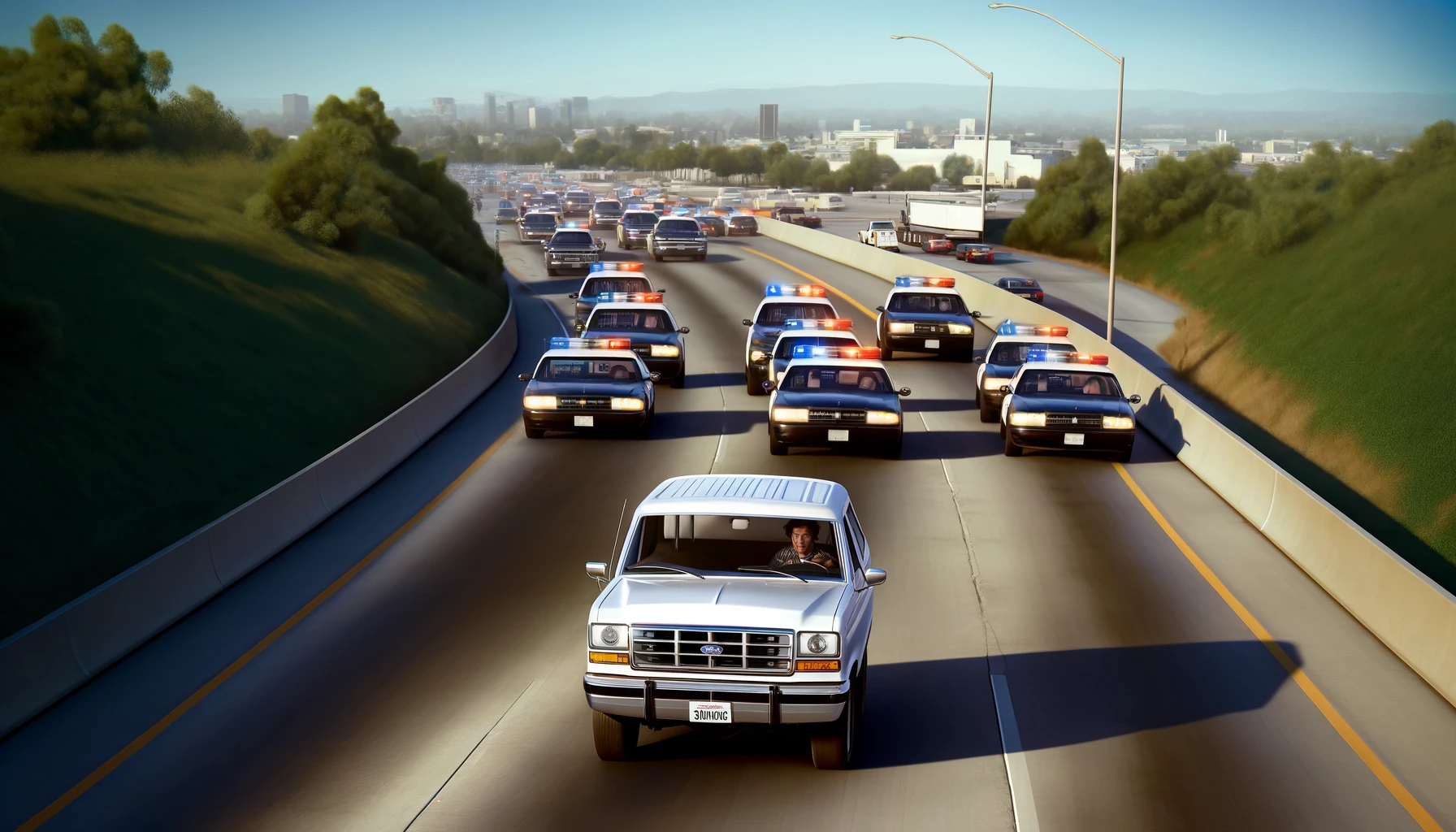
Art began the show by greeting listeners from various locations across the globe. He shared a surprising report from the USA Radio Network, claiming that milk and cookies are more harmful and likely to cause cancer than second-hand smoke. Art mentioned upcoming guest, Professor Gerald Uelman, who was one of O.J. Simpson’s attorneys and has written a book titled “Lessons from the Trial.” Art announced that the show’s website is now optimized for mobile devices, offering features for Coast Insider subscribers to listen to live programs and stream previous shows.
Professor Gerald Uelman joined Art on the show to discuss his experiences and insights from the O.J. Simpson trial. Uelman shared that he was invited by Robert Shapiro to join the legal team shortly after the murders of Nicole Brown Simpson and Ronald Goldman. He explained that his role was unique as both an advocate for his client and a scholar. Uelman described the challenges of his book tour and reflected on the public’s different perceptions of the trial, often influenced by media coverage. He emphasized that the televised version of the trial did not fully capture the jury’s experience, citing specific examples like the jurors’ impressions of O.J. Simpson’s home.
Uelman discussed the nuances and details that were not visible on television, which impacted the jury’s perspective. He was not surprised by the speed of the verdict, as he believed the jury was less divided than anticipated. He explained that jury deliberation is not about starting from scratch but involves the jurors processing the evidence they have seen throughout the trial. Uelman elaborated on the differences between the televised trial and the jury’s experience, highlighting the importance of certain details and impressions that influenced the jury’s decision.
Art and Professor Uelman discussed the jury deliberation process during the O.J. Simpson trial, highlighting how quickly the jurors reached a consensus, suggesting that they were not far apart in their views. Uelman addressed allegations about juror manipulation, explaining that concerns were raised by both sides during the trial. He emphasized that a dismissed juror had lied to the judge, and skepticism about her story post-trial reflects people’s tendency to support narratives that align with their beliefs.
Art shared his initial belief in Simpson’s guilt but admitted that the trial proceedings, particularly the Fourth Amendment violation claims, influenced his perspective. Uelman noted that the defense’s strategy of exposing police misconduct planted doubt in the jury’s minds, leading them to question the credibility of the LAPD and dismiss the DNA evidence despite its scientific validity.
When asked if he would take the case again, Uelman affirmed he would, recognizing the trial’s educational value and its extensive coverage of legal issues. He discussed the trial’s impact on future legal practices, such as increased accreditation for police laboratories and better training for personnel, especially in handling new technologies like DNA evidence.
Uelman confirmed his limited involvement in the ongoing civil wrongful death suit against Simpson, specifically arguing against punitive damages as double jeopardy. Art mentioned a report about Marcus Allen being asked to lie for Simpson, indicating the ongoing complexities surrounding the case.
Art and Professor Uelman continued their discussion, addressing rumors about Marcus Allen being involved with Nicole Brown Simpson and O.J. Simpson allegedly asking him to lie. Uelman cautioned against placing too much trust in deposition leaks, as they can be manipulated to shape public opinion. He highlighted the reluctance of witnesses to testify due to the trial’s publicity, suggesting that television cameras in the courtroom exacerbated this issue. This reluctance among witnesses made Uelman question the presence of cameras, noting that some judges have since opted to exclude them in high-profile cases.
Art asked Uelman about the ethical dilemmas faced by defense attorneys when they know their client is guilty. Uelman explained that lawyers cannot knowingly present perjured evidence and must navigate these limitations. He assured that in Simpson’s case, O.J. maintained his innocence throughout, and the defense team had no reason to doubt him. Uelman expressed his continued belief in Simpson’s innocence, asserting that Simpson did not fit the profile of a sociopath or a convincing actor, which would have been necessary to commit the crime as described by the prosecution.
The conversation also touched on the decision not to put Simpson on the stand. Initially intending for Simpson to testify, the defense team later decided against it to avoid allowing the prosecution to focus on Simpson’s past behavior rather than the events of June 11th and 12th. Rumors about a rehearsal for Simpson’s testimony were addressed, with Uelman clarifying that Simpson performed well but recognized the potential pitfalls of cross-examination.
Art asked Professor Uelman about a listener’s question regarding being labeled as “dancing with the devil” due to his defense of O.J. Simpson. Uelman acknowledged that defense lawyers often face such stigmatization and must learn to live with it. The conversation then shifted to the use of the so-called race card during the trial. Uelman defended Johnnie Cochran’s closing argument, emphasizing that it addressed the credibility issues related to Detective Furman, which were crucial to the case.
Uelman predicted that the civil trial would likely yield a similar outcome as the criminal trial, noting that O.J. Simpson’s testimony would be a significant factor. He identified the prosecution’s primary weakness as their arrogance and failure to thoroughly investigate potential issues, particularly with Detective Furman. This lack of preparation left them blindsided when Furman’s credibility was questioned.
The infamous glove demonstration was discussed, with Uelman noting that it was overemphasized by the media. He revealed that the famous line, “If it doesn’t fit, you must acquit,” which Cochran used in his closing argument, originated from Uelman and was inspired by the jury instructions on circumstantial evidence. This line effectively summarized the defense’s approach to the case.
Art remarked on the diverse styles of the defense team members and their ability to work cohesively despite their differences. Uelman explained that each lawyer had specific roles, with his focus on writing and arguing motions and preparing jury instructions, while Cochran and others concentrated on persuading the jury. He highlighted the closing arguments as the pinnacle of the team’s coordination, believing they won the case at that point.
The segment concluded with a discussion on the motion to dismiss the case based on Fourth Amendment violations, which did not succeed, leaving Uelman unsurprised.
Art and Professor Uelman discussed various aspects of the O.J. Simpson trial, including Judge Ito’s performance. Uelman gave Ito high marks for handling jury selection well, particularly given the pretrial publicity. However, he noted that Ito performed best when cameras were not present. The decision to keep cameras in the courtroom was influenced by strong arguments about public interest, though Uelman ultimately believed their presence was a mistake. He acknowledged that television coverage did help in some ways, such as bringing forward key witnesses like Kathleen Bell, who recognized Detective Furman from TV.
The conversation touched on post-trial rumors, including those about a possible relationship between prosecutors Chris Darden and Marcia Clark. Uelman dismissed such gossip as irrelevant and potentially a ploy to sell books. Art then opened the floor to caller questions. One caller asked about the blood found on the gate at the crime scene. Uelman explained that this blood was collected three weeks after the crime and contained a suspiciously high concentration of DNA, along with traces of EDTA, suggesting it may have been planted.
Another caller expressed concern about the level of legal resources required to secure Simpson’s acquittal, questioning whether a single lawyer could have achieved the same result. Uelman agreed that Simpson’s financial resources provided a significant advantage, enabling the defense team to prepare for trial quickly and thoroughly. He acknowledged that indigent defendants often lack such resources, highlighting disparities in the justice system.
Art and Professor Uelman discussed the impact of financial resources on the O.J. Simpson trial, with Uelman emphasizing that while money provided an advantage in terms of preparation and expert involvement, the outcome would likely have been the same regardless. Uelman expressed concern over the broader issue of justice for defendants lacking financial resources, highlighting Congress’s decision to defund death penalty resource centers, which had been improving legal representation for indigent defendants.
The conversation turned to a legal challenge regarding the constitutionality of limiting appeals in death penalty cases, as part of the anti-terrorism bill. Uelman explained that Congress has the authority to limit federal court jurisdiction, and the primary issue is the law’s retroactive application. He cited the case of Rolando Cruz in Illinois, where DNA evidence eventually exonerated him after ten years on death row, underscoring the importance of thorough review processes.
As the hour concluded, Art inquired about Uelman’s book, “Lessons from the Trial,” which Uelman wrote in three months following the verdict. Uelman also shared his excitement about his play on William Jennings Bryan, set to open in Omaha. He reflected on the O.J. Simpson case as a career highlight due to its long-term significance in legal discussions.
Art shifted topics to current events and news. He covered the major fire in Alaska, north of Anchorage, which had destroyed 150 homes and consumed 37,000 acres, forcing the evacuation of a thousand people. Investigators suspected that fireworks started the blaze, an unusual cause given the typically wetter conditions from the snowmelt.
Art then discussed a Medicare issue, noting that the trustees had announced that Medicare would go broke by 2001, a year earlier than previously thought. He criticized both political parties for their inaction and dishonesty, arguing that neither side wanted to address the long-term insolvency of Medicare, preferring short-term fixes instead. He pointed out that one-third of Medicare’s annual $200 billion budget is spent in the last year of life, with half of that amount used in the last ten days of life, often on expensive life-support machines.
Moving on, Art mentioned the ongoing negotiations between the FBI and the anti-government Freemen group, who had been holed up since late March. The first face-to-face talks in over two weeks took place, but details of the discussion were not disclosed.
Art touched on the myth of the chupacabra, noting recent reports of sightings in Santa Ana, California. He expressed skepticism about how a creature could navigate such a densely populated area without being seen or documented.
Art then provided updates on the Coast to Coast AM mobile site, which was now optimized for iPhone and Android devices, allowing subscribers to access live and archived shows easily. He also highlighted the benefits of becoming a Coast Insider, which includes access to a vast library of shows and exclusive live chats with George Noory and special guests.
Shifting to listener stories, Art shared a bizarre account of a plant nicknamed the “demon seed” that a listener named Bill had discovered in his yard. This plant grew aggressively and was difficult to control, leading Bill to hack at it with a saw. Despite its ominous nature, Bill sent some of the seeds to Art, who received warnings from another listener familiar with similar plants grown in secretive nuclear research facilities. This listener cautioned Art not to plant the seeds, citing ethical concerns and the dangerous nature of these genetically modified plants.
Art read a letter from a listener in Washington state, urging him to destroy the seeds due to their potentially hazardous nature. The letter mentioned ongoing secret research into genetic cloning and radioactive isotope flora experimentation, warning of the dangers these plants posed. The writer promised to provide documentation to support their claims and implored Art to act responsibly.
The segment ended with a mention of a Discovery Channel show about animals of the occult, which included a segment on plants with large, hideous flowers that emitted a rotten meat smell, adding a layer of credibility to the strange story of the demon seed.
Art expressed his concern about the societal decline, noting increasing racism and hatred. He admitted that while he is not a prophet and cannot predict specific catastrophic events, he observes a general worsening of social interactions and believes it is heading towards something significant. He urged for action to address these issues before they escalate further.
Art read a critical fax from a listener named Dexter, who condemned Professor Uelman for defending O.J. Simpson and profiting from the case through his book. Art defended his decision to have Uelman on the show, praising him as a scholar and a respectful guest. Art emphasized that he hosts a variety of guests on diverse topics and does not restrict his show to any particular viewpoint.
Art expressed his frustration with the current political campaign, labeling it as “minutia and crap.” He criticized both sides for not addressing the Medicare problem and predicted Bill Clinton’s re-election, noting that Bob Dole, despite being a patriotic war hero, lacked the campaign skills to defeat Clinton. Art lamented the lack of meaningful political discourse and honesty, particularly concerning Medicare’s impending insolvency.
Art then discussed a movie he had seen earlier that day, “Arctic Blue,” set in Alaska. He solicited feedback from listeners in Alaska, particularly those affected by the out-of-control fire between Wasilla and Big Lake. Art emphasized his interest in hearing firsthand accounts from residents in the affected areas and encouraged them to call in.
One caller from Anchorage provided an update on the fire situation, confirming the evacuation of people from Big Lake and Houston due to the uncontrollable blaze. The caller described the challenging conditions, including strong winds exacerbating the fire. The discussion highlighted the unusual weather patterns, noting that Alaska had experienced a milder winter with less snow, which contributed to the early and severe fire season.
Art and the caller reminisced about past weather events in Alaska, including the snow shortage before the Iditarod, leading to the cancellation of several related events. The caller mentioned the lack of spring rain, which typically helps mitigate fire risks, further illustrating the region’s weather anomalies.
Art continued to focus on the ongoing wildfires in Alaska, with a caller from Anchorage providing updates on the evacuations and the unpredictability of the fire due to strong winds. The caller shared personal concerns about the safety of their home and described the challenges faced by residents and firefighters. Art expressed empathy and support, highlighting the severity of the situation.
Art then discussed broader weather changes, citing a report from a USGS person suggesting that the unusual weather patterns were not merely cyclical but indicative of a fundamental change. He reflected on the increasing evidence that weather conditions are drastically shifting, noting each new season’s contributions to this argument.
Returning to political matters, Art took a call on the wildcard line where the caller discussed the improbability of Bob Dole defeating Bill Clinton, despite scandals like Whitewater potentially affecting Clinton’s presidency. The caller speculated that any fallout from Whitewater would likely impact Hillary Clinton more than Bill. They theorized that Clinton might negotiate with those involved to slow down investigations until after the election, possibly promising pardons.
Art and the caller debated the implications of such political maneuvers, with Art noting the potential for significant backlash and investigations, including impeachment, if Clinton were to issue pardons. They also discussed the Republican primary, where Bob Dole’s easy path to the nomination was partly due to the demonization of Pat Buchanan, whom Art considered a stronger debater but an unlikely winner.
Art continued discussing the political landscape, focusing on the lack of impact that the Whitewater scandal and other controversies had on Bill Clinton’s polling numbers. He and the caller agreed that the American people seemed indifferent, with Clinton’s teflon-like ability to avoid damage from scandals. Art reiterated his belief that Clinton would win re-election despite any ongoing investigations or potential indictments.
Returning to the situation in Alaska, Art opened the lines specifically for callers from the affected areas. He received a call from James in Everett, Washington, but had to remind listeners that the line was reserved for Alaskans due to the urgent fire situation.
Another caller tried to discuss political issues from Bakersfield, but Art reiterated his focus on the fires in Alaska. Eventually, he engaged with a caller discussing the implications of the Travel Office firings scandal involving the Clintons, expressing skepticism that it would lead to significant repercussions for the President.
Art reflected on people’s tendency to believe information that supports their viewpoints while dismissing opposing facts. He believed that unless a significant smoking gun emerged, Clinton would remain President for another term. Art emphasized the absurdity of the ongoing Medicare debate and expressed his disillusionment with the political system.
He reiterated his request for updates from Alaskans affected by the fires, particularly those from Anchorage and Fairbanks, and mentioned the movie “Arctic Blue” again, seeking confirmation of its depiction of life in the Alaskan bush.
Art read a fax from Anchorage, explaining the severe fire conditions. The fax noted that Anchorage had not received enough snow until January and had little rain in the spring, leading to dry conditions. High winds fanned the flames, creating multiple fire fronts and prompting a ban on open fires. The situation was dire, with the fire burning uncontrollably on several fronts.
A caller from Anchorage described the poor air quality, canceled activities, and the eerie sight of the sun through the smoky sky. They also mentioned the suspicion among locals that the HAARP (High-Frequency Active Auroral Research Program) might be contributing to the unusual weather patterns, though Art noted that HAARP would likely be blamed regardless of its actual impact.
Art expressed his empathy for the Alaskans dealing with the fires, sharing his own experiences living in Anchorage and praising the resilience of the state’s residents. He highlighted the uniqueness and beauty of Alaska, which is difficult to fully convey to those who haven’t experienced it.
Another caller from Anchorage confirmed the widespread smoke and small fires around the city, with the smoke reaching as far as Kenai. The caller offered phone numbers for more information, but Art explained he couldn’t manage those calls alone.
Art then took a call on the wildcard line, where the caller asked about a water conditioning product mentioned in a commercial. Art explained that the product, GMX, doesn’t filter water but changes the properties of minerals to prevent them from sticking to surfaces.
Art continued his open lines for callers from Alaska, emphasizing the severity of the wildfire situation. He expressed his support and concern for the affected residents and discussed the various challenges they faced, including poor air quality and evacuations.
The conversation briefly shifted to other topics, such as a caller’s suggestion to replay older programs during emergencies. Art explained that the program aired when his wife had an attack was relatively recent. Another caller discussed a strange skeleton found in Malaysia, which had a dragon-like appearance and took several hours to retrieve from the water.
Returning to political discussions, a caller from California compared Bill Clinton and Ronald Reagan, arguing that Clinton was the most fiscally responsible president, while Reagan was the most fiscally irresponsible due to his extensive military spending. The caller criticized Reagan for building up the military at the expense of future generations, who would have to pay for the resulting deficits.
Art countered that Reagan’s military buildup led to the collapse of the Soviet Union, a claim disputed by the caller. They debated the merits of Reagan’s policies and their long-term impact on the U.S. economy and national security. The caller argued that Reagan’s actions were unnecessary and that the Soviet Union was already on the verge of collapse due to internal issues.
The discussion then shifted to the Medicare debate, with Art reiterating his belief that the issue was being mishandled by both political parties. He expressed frustration with the lack of honest discourse about the impending insolvency of Medicare and the broader implications for the American people.
Another caller from Kansas City discussed the issue of school prayer, highlighting the complexities of allowing religious activities in schools. The caller warned about the potential consequences of permitting all types of religious practices, including those that might be controversial or unwelcome. Art agreed, emphasizing the need for a balance between allowing freedom of religion and preventing the imposition of any one belief system on others.
Art expressed his opinion that localities and states should have the freedom to decide on matters like school prayer rather than having a blanket federal law. He stressed the importance of finding common ground and respecting the wishes of the majority while protecting individual rights.
Art continued the program with more faxes and calls, starting with a fax from a homesteader in Alaska who described living in the bush country, far from roads and amenities. The homesteader’s message highlighted the rugged, self-reliant lifestyle of those living in remote Alaska, which resonated with Art’s earlier discussion about the movie “Arctic Blue.”
Another caller from Anchorage described the challenging fire conditions, including high winds and dry weather, which were exacerbating the wildfire. The caller expressed concern about the forecast and the prolonged threat, noting that it was still early in the season. Art reiterated the seriousness of the situation and the concern in the voices of local authorities.
The conversation then shifted to a caller from North Mississippi discussing the issue of school prayer. The caller mentioned a recent federal judge ruling that overturned school prayer in their county, which has numerous churches and a strong tradition of prayer in schools. Art emphasized the importance of allowing states and localities to decide such matters, warning that imposing decisions against the majority’s will could lead to unrest.
Another caller humorously suggested using the so-called “devil seeds” as bait for the chupacabra, referencing the earlier discussion about these mysterious seeds. Art appreciated the humor but quickly moved on to another caller from Michigan, who wished him a “happy 6/6/96” and discussed the significance of the date with three sixes.
The caller also mentioned Timothy Leary and suggested interviewing Robert Anton Wilson, an acquaintance of Leary known for his wide-ranging ideas. The caller ended with a prediction of a tornado in the Grand Blanc area of Michigan, based on a vivid dream he had experienced.
Art continued engaging with callers, starting with one from Michigan who had a vivid dream about a tornado, which they interpreted as a prediction for later in the month. Art suggested the caller reach out to Dr. Pepsi Toga, a dream interpreter set to appear on the show, as she had provided impressive and honest interpretations in the past.
Returning to the topic of the Alaskan fires, a caller from Anchorage detailed how the type of trees with branches close to the ground and high winds were causing the fire to spread rapidly. The caller explained that embers from burning trees were carried by the wind, allowing the fire to jump across lakes and roads, making containment difficult. They also mentioned the extremely low humidity, comparable to desert conditions, which exacerbated the fire.
Art expressed his concern and support, noting the severe conditions and the efforts to bring in firefighters from other states and even Canada. The caller confirmed that local radio and TV were providing regular updates on the situation.
Next, a caller from Nashville asked about alien activity and mysterious events near Nellis Air Force Base, referencing stories from their time living in Las Vegas. Art responded with a knowing silence, implying the secrecy surrounding such topics, and mentioned his cautious approach to discussing them, reflecting on his experiences with Major Ed Dames’ predictions.
Art ended the segment expressing his own unease about the current state of the world, suggesting that the unusual weather patterns and other events could be precursors to more significant changes, resonating with some of Major Dames’ warnings.
Art continued reflecting on Major Ed Dames’ predictions, expressing his fear and intuition that Dames might be right about impending events. Art shared information about the Coast Insider subscription service, encouraging listeners to sign up for access to a vast archive of shows and live chat sessions with George Noory and special guests.
Returning to his thoughts on politics, Art reiterated his disinterest in the current political climate. He found both major parties’ discussions on Medicare to be insincere and unproductive. Art predicted that Bill Clinton’s re-election was inevitable and that Bob Dole’s campaign was hopeless, leading him to feel politically unmotivated.
A caller from Eagle River, Alaska, connected the ongoing wildfires to biblical prophecy, referencing Revelation’s “lake of fire.” The caller discussed the fire’s proximity to their location and the changing wind directions, which posed a constant threat. They also touched on the broader theme of societal decline, echoing Art’s sentiments about the nation’s moral and ethical troubles.
Another caller mentioned the book “Alien Animals” by Janet and Colin Bord, suggesting the authors as potential guests for the show. The caller also referenced “The Holographic Universe” by Michael Talbot, though Art was unfamiliar with it. The conversation reflected the show’s blend of current events, speculative discussion, and listener engagement.
Art addressed a listener’s question about same-sex marriages, reiterating that he didn’t have a fixed answer and acknowledged the complexities involved, especially when it came to family members.
He then read a fax from Bonnie in Wasilla, Alaska, describing the terrifying situation with the wildfire. Bonnie explained that they were three miles from the fire line, expecting to evacuate soon. The sky glowed red with falling ash, and the changing winds made the fire’s path unpredictable. The fire had forced many people onto the roads, carrying whatever they could, and their faces showed fear.
A caller from Oklahoma with lupus expressed her admiration for Art and his show, mentioning that she listens every night. She talked about a previous program discussing taxing churches and clarified that her church, the Reorganized Church of Jesus Christ of Latter Day Saints, was different from the Mormon Church, particularly regarding racial issues and marriage doctrines.
Another caller from Juneau, Alaska, noted that the fires in northern Alaska were devastating and would likely affect tourism. They discussed the weather, which had been unusually dry, contributing to the fire hazard. Art expressed his desire to visit Juneau, noting its unique access via ship or airplane.
A caller from Nashville inquired about a movie Art had mentioned, confirming it was “Independence Day” (ID4), which was set to be released on July 3rd. Art also discussed another movie, “The Arrival,” which starred Charlie Sheen as a radio telescope operator who receives a message from an alien civilization. Art expressed his interest in the movie, noting its positive reviews and intriguing premise.
Another caller from Idaho Falls, Idaho, shared their experience living through the Yellowstone fire in 1988. They described the severe smog and surreal atmosphere, drawing parallels to the current situation in Alaska. The caller remembered the sun appearing orange and the chaos of potential evacuations, advising Alaskans to prepare for similar hardships.
Art reflected on the broader implications of the unusual weather patterns, linking them to the ongoing fires. He emphasized the delicate balance of the environment and suggested that even small changes could lead to significant effects, reinforcing his belief that the current weather changes were not merely cyclical.
A caller from Anchorage expressed frustration with a previous caller, Charlie, who made dismissive comments about Alaskans. They noted that Alaskans had shown sympathy during California’s earthquake and felt it was rude for Charlie to dismiss their current plight. The caller highlighted the uncertainty families faced, not knowing if their homes were still standing due to the fire.
Art discussed the helplessness people feel in the face of natural disasters like wildfires, comparing it to the powerlessness experienced during earthquakes.
Another caller from Southern California brought up several points, including the possibility of the HAARP project affecting the weather and their skepticism about the “demon seed” plant that allegedly bore fruit resembling meat. Art confirmed that such a plant exists.
The conversation then shifted to David Irving, an author who wrote a controversial book about Joseph Goebbels, suggesting Goebbels was the instigator of anti-Semitic acts in Nazi Germany. Art commented on the ineffectiveness of banning books, noting that it usually increases interest and demand for the banned material.
A caller from Missouri mentioned a Discovery Channel special that included remote viewing experiments conducted by the CIA. Art confirmed that he planned to have Major Dames on the show again, despite the unsettling nature of his predictions, due to the fascinating and riveting content he provided.
Another caller from California expressed frustration with the government and media’s selective information sharing, feeling that the public was often kept in the dark about important issues. Art explained that major news networks have limited time to cover stories, leading to censorship by omission rather than deliberate withholding of information. He recommended alternative sources like shortwave radio and the internet for a more comprehensive understanding of global events.
A caller from San Mateo brought up the religious beliefs of Mormons, suggesting that some elements of their faith might be considered “from outer space.” Art quickly moved on to another caller from Albuquerque, who recommended the movie “The Arrival,” noting its relevance to discussions about unusual weather patterns and the chupacabra. The caller found the movie’s depiction of aliens and environmental changes thought-provoking and encouraged Art to watch it.
Art concluded the show by expressing his heartfelt concern and prayers for those affected by the Alaskan wildfires. He thanked the caller from Palmer for their firsthand account and reassured listeners that they were receiving up-to-the-minute news. Art signed off by wishing safety for Alaska and good night to America, ending another episode of “Coast to Coast AM” from the high desert.