
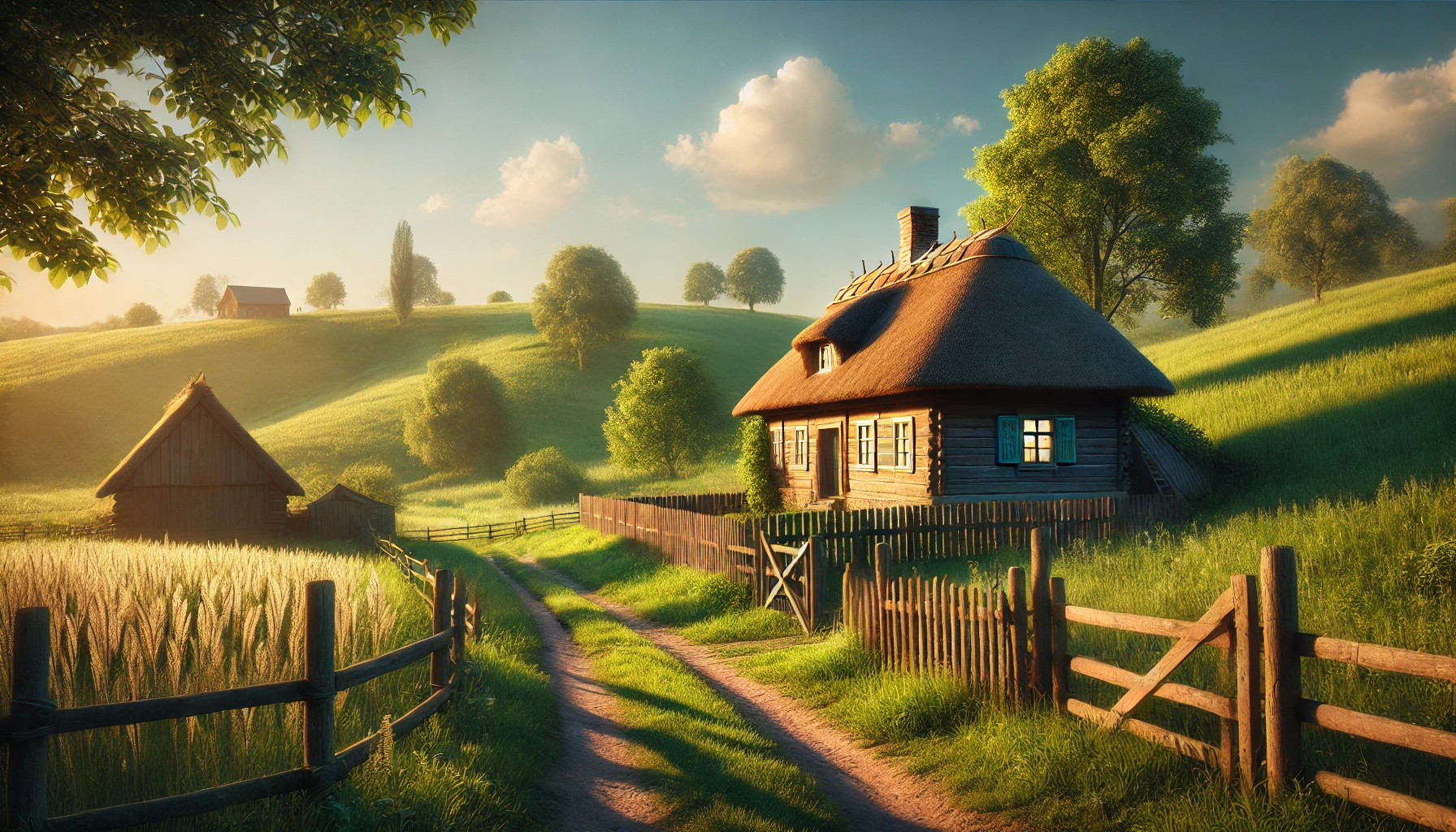
Art begins the show by expressing his sadness over the sudden passing of singer Laura Branigan, who died at 47 from a brain aneurysm. He then introduces the night’s guest, Eric Brende, a tech expert who chose to abandon all technology and live with a group called the Minimizers, who minimize their use of technology to an extreme degree. Brende’s story is a fascinating exploration of living with less, throwing away modern conveniences like the internet and television, and comparing it to communities like the Amish. The discussion transitions to other topics, including the potential dangers of a volcanic eruption at La Palma, which could trigger a massive tsunami threatening the East Coast of the U.S. Art and his guest also discuss strange beasts, like the Elmendorf Beast, speculating on whether it was a naturally occurring creature or a result of genetic manipulation. They delve into topics like global warming, the weakening Gulf Stream, and the shifting magnetic poles, emphasizing the potential catastrophic effects of these phenomena.
Art continues his conversation with Eric Brende, diving into the unusual life choices that led Brende, a Yale and MIT graduate, to abandon the modern, technology-driven world. Eric shares how he and his wife moved to a remote community that even the Amish consider outdated, where they lived without cars, electricity, or running water. The experiment aimed to discover whether all of society’s technological advances actually improved life or if less technology could lead to a richer, more fulfilling existence. Eric’s observations suggest that many so-called time-saving devices actually consume more time and mental energy than they save, and that living with fewer distractions can lead to a more meaningful life.
The discussion moves on to the unsettling possibility of the La Palma volcano collapsing, which could generate a massive tsunami capable of devastating the East Coast of the U.S. Art and Eric consider the likelihood of such an event, noting that it has been largely ignored by the mainstream media despite the potentially catastrophic consequences. They discuss the need for better monitoring and preparedness, highlighting the potential for sudden natural disasters to dramatically alter life as we know it.
Art then touches on the topic of the Earth’s magnetic poles, which have been gradually shifting and could eventually flip, reversing north and south. This phenomenon could have profound effects on migratory animals and global electronics, leading to widespread chaos if the magnetic field weakens or disappears during the transition.
Art and Eric Brende continue their conversation, delving deeper into the implications of living without modern technology. Eric describes how his decision to leave behind a high-tech lifestyle was influenced by a growing awareness that many technological conveniences, while marketed as time-saving, actually detract from the quality of life. He recounts how, in the community they joined, life slowed down, and they found more time to engage in meaningful activities and relationships, free from the distractions and demands of modern devices. The experience taught Eric that living with less can sometimes result in having more—a richer, more engaged life.
The discussion shifts again to the possibility of the La Palma volcano causing a massive tsunami. Art and Eric express concern over the lack of public awareness and preparation for such an event, considering the catastrophic impact it could have on millions of people along the East Coast of the U.S. The potential for natural disasters to suddenly and drastically change life as we know it highlights the vulnerability of a society so heavily reliant on technology and infrastructure.
Art then brings up the weakening of the Earth’s magnetic field and the potential consequences of a magnetic pole shift. They discuss how this phenomenon could disrupt migratory patterns for animals and create significant challenges for human technology, leading to global chaos if the Earth’s magnetic shield were to falter.
Art and Eric continue to explore the profound effects of living without technology. Eric shares more insights from his 18-month experiment living in a minimalist community, emphasizing that the absence of modern conveniences like electricity and running water forced him and his wife to develop new skills and deepen their understanding of self-sufficiency. This lifestyle change allowed them to connect more with their community, engage in meaningful work, and live in a more sustainable, fulfilling way. Eric suggests that the modern obsession with convenience often leads to a disconnection from the things that truly matter in life.
The conversation moves to the broader implications of a magnetic pole shift, as Art and Eric speculate on how such a dramatic event could affect the world. They discuss the potential for widespread disruption, including failures in communication and navigation systems, which are heavily dependent on the Earth’s magnetic field. Eric points out that such an event could expose just how fragile modern society is, given its reliance on technology that could be rendered useless in the face of a significant geomagnetic disturbance.
Art also brings up the possibility of a gamma-ray burst, which could have catastrophic consequences for life on Earth, especially if the magnetic field were weakened or disrupted. The discussion reflects on how little control humanity has over such large-scale natural events and the potential for these events to drastically alter life as we know it.
As the conversation progresses, Art and Eric delve into the unsettling idea that the Earth’s magnetic field is weakening and could eventually lead to a complete pole shift. They discuss the potential consequences of this shift, such as widespread confusion among migratory species and the failure of satellite and communication systems. Eric notes that while scientists have confirmed that a pole shift is underway, there is still much uncertainty about how quickly it might happen and what the exact effects will be. This uncertainty adds to the anxiety about how dependent modern society has become on technology, which could be severely disrupted by such a natural event.
Art also brings up the concept of punctuated equilibrium in evolution, where new species can suddenly appear, potentially explaining some of the strange creatures that have been reported, like the Elmendorf Beast. This leads to a discussion on whether these creatures could be the result of natural mutations or genetic manipulation. The idea that humanity might be inadvertently or deliberately creating new forms of life through genetic experimentation adds a layer of complexity and concern to the conversation, as it raises ethical questions about the extent of human interference in natural processes.
In the final segment of their conversation, Art and Eric continue to explore the implications of living with minimal technology, focusing on how it forces individuals to reconnect with the natural world and their communities. Eric emphasizes that, in his experience, stripping away the layers of technological dependence revealed a simpler, yet more fulfilling way of life. This lifestyle, though challenging, allowed for deeper connections with others and a greater appreciation for the basic necessities of life. Eric’s story serves as a powerful reminder of the potential benefits of reducing our reliance on technology, suggesting that a return to more traditional, hands-on ways of living might lead to a healthier, more balanced existence.
Art wraps up the discussion by reflecting on the broader themes covered in the show, including the potential dangers posed by natural events like volcanic eruptions, magnetic pole shifts, and the ethical concerns surrounding genetic manipulation. The conversation has highlighted the fragile nature of modern society’s dependence on technology and the importance of being prepared for the unexpected. Art thanks Eric for sharing his unique perspective and experiences, noting that his journey offers valuable insights into how we might better navigate the challenges of a rapidly changing world.