
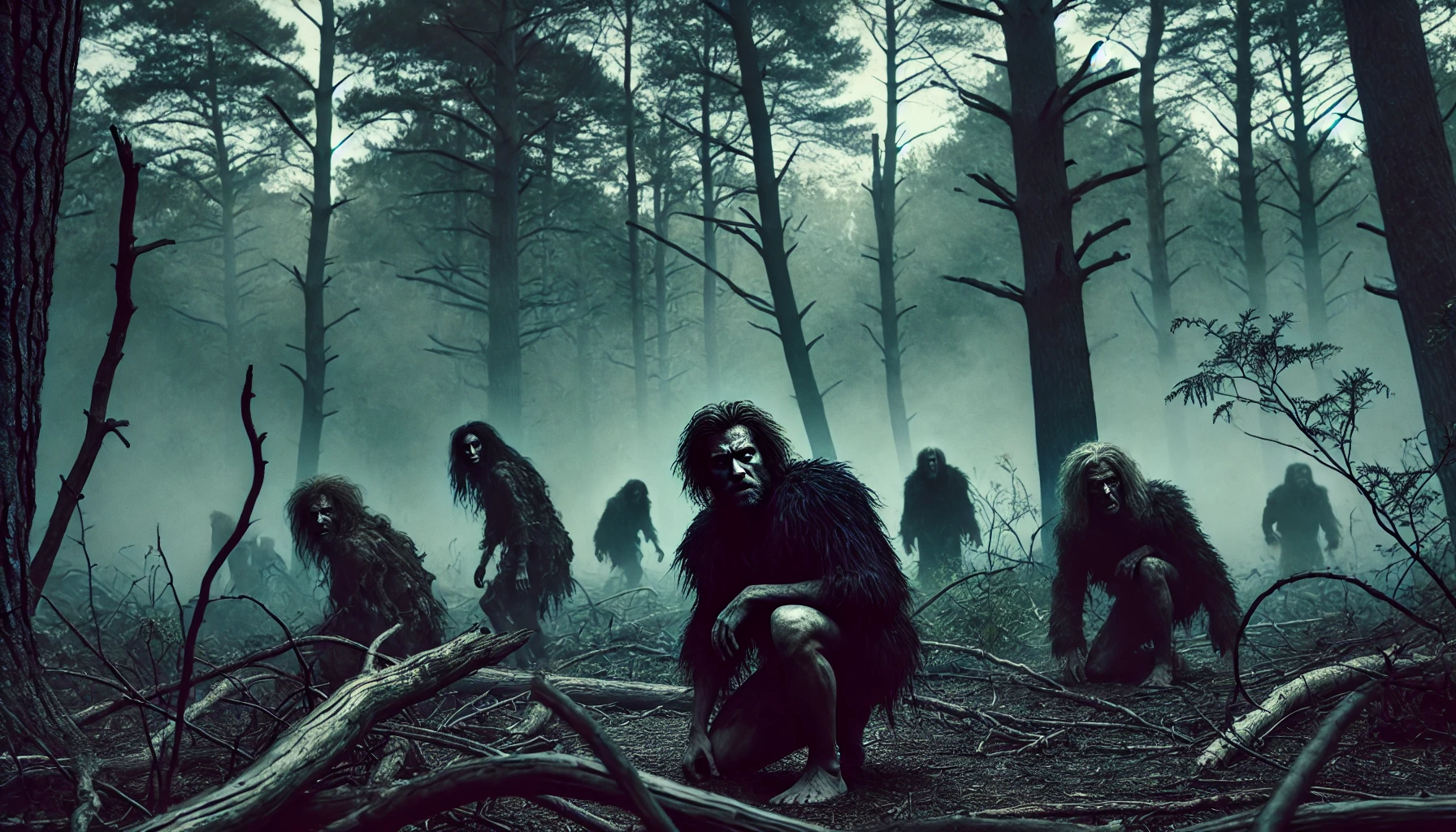
Art begins the show, introducing the unusual and wide-ranging topic of feral humans, mentioning that the theme will likely expand to cover various topics. He touches on recent, intense developments in France, where a SWAT team neutralized a suspected terrorist cell, which was heavily armed and planning further attacks. The raid, involving extensive gunfire, led to arrests and left two individuals dead. Art reflects on the ambiguous outcome and discusses the challenges of measuring progress in the fight against ISIS. He mentions the substantial bombings by U.S.-led forces, although results remain mixed. Art recalls the troubling memory of inaccurate body counts from the Vietnam War, expressing skepticism about recent figures.
He transitions to discussing a separate story in Honduras, where four Syrian men with fake passports were detained, raising security concerns about potential pathways for individuals to reach the U.S. Art also covers ISIS’s claim of responsibility for a Russian plane bombing, suggesting a soda can rigged as an explosive. This news aligns with other reports of Anonymous taking action against ISIS’s online presence. Art commends their efforts, highlighting successes in disrupting ISIS’s public channels, though he notes that it could force the group deeper into the dark web. He also voices concerns over a new ISIS video threatening New York City, with footage centered around Times Square. Art acknowledges the overwhelming focus on ISIS in the media but then turns to an email from a listener regarding UFO sightings, where they share the theory that the increase in handheld technology, ironically, might distract people from noticing phenomena around them. The listener references a “Brain Games” episode on the unreliability of eyewitness accounts, underscoring how technology might influence our perception of reality.
Art reads a listener email from Chandler, who praises a recent episode with a cave diver and shares thoughts on technology’s impact on our focus, especially regarding UFO sightings. Art then reads an email from Elizabeth in Texas, describing her sighting of two Russian helicopters, known as “Hinds,” flying northeast. Elizabeth recounts recognizing the helicopters due to her familiarity from her time as an army wife in Berlin. Art finds her account intriguing and credible, showing his interest in unusual aerial sightings.
The guest, Jeffrey Holland, joins the show to discuss his fascination with feral humans, cryptids, and the paranormal. Holland’s background includes authorship of books like Weird Kentucky and The Devil and Daniel Boone. Holland introduces his interpretation of feral humans, explaining how his view evolved from seeing them as a distinct, almost sub-species of wild humans to a phenomenon where individuals enter a feral state due to psychological factors. This leads them to “snap” and take on a primal, rogue existence. Art reflects on the troubling instances of individuals committing violent acts as an example of this “snap,” prompting Holland to clarify that a feral human wouldn’t typically use a gun but rather behave in an instinctual, unrestrained manner.
Jeffrey Holland describes the phenomenon of “going feral” as more than a simple psychological break; it’s a state where people lose all sense of reason and descend into an animistic mode of existence. Art brings up the Unabomber as an example, though Holland notes that the Unabomber’s intellectual writings and isolation differ significantly from the behavior of a feral human, who is more akin to a cryptid like Bigfoot—a creature completely detached from civilization. Holland explains that this transformation, or “snap,” may happen gradually, like dementia, causing individuals to detach and withdraw into isolated, wild environments.
Art draws a parallel with his experience in Nevada, where some locals, overwhelmed by the desert heat, would wander off and succumb to the harsh conditions after “snapping.” Holland agrees, noting that in wooded or forested areas, a feral person might survive longer, potentially leading to reported sightings. Holland shares his research on feral humans, particularly in Kentucky, where he initially investigated Bigfoot-like sightings. He mentions two cases in Mason County, Kentucky, from 1980 where witnesses encountered mysterious humanoid figures. In one case, a truck driver saw a figure with white hair, while in another, a family heard their rooster crowing at night and observed an unusual presence outside.
Holland continues describing his eerie encounter in Kentucky’s Red River Gorge, where he met a naked, bearded man covered in mud, leaves, and vines. This individual, resembling a member of ZZ Top with his long hair and beard, moved in an erratic, almost aimless manner through the forest, far from any known trails. This encounter spurred Holland’s interest in feral humans, as the man seemed more like a creature than a person, lacking any human purpose or direction in his movement. Holland recounts how the man’s eyes reflected a hint of intelligence, yet he wandered in a manner akin to an animal’s, without logical progression from one point to another. Art expresses his intrigue, wondering how such individuals survive in the wild.
Holland shares that locals in Kentucky recounted similar sightings, tales of old mountain men who seemed to have lost their minds and embraced an animalistic lifestyle in isolation. This feedback fueled Holland’s idea that there may indeed be feral humans in America’s remaining wilderness pockets. Art muses about the possibility of interviewing such an individual, curious about what caused their break from humanity and what might be learned by analyzing their behavior. The conversation shifts to broader societal concerns, with Art referencing rising rates of mental health issues and dementia, hinting at the possibility that societal pressures might contribute to the phenomenon of people “snapping” and retreating from society altogether.
Art and Jeffrey Holland delve into the phenomenon of feral humans and the potential factors leading individuals to such a state. Art explores the troubling thought that some individuals with autism or other burdensome conditions might be abandoned and end up in a feral state, though Holland remains cautious with his speculations. Holland adds that environmental and societal elements, such as GMOs or vaccinations, could influence mental states, possibly contributing to these situations. Art imagines how sightings of such individuals could easily fuel Bigfoot legends, as witnesses might misinterpret what they see when encountering a person in a state of extreme dishevelment or distress in the wilderness.
Holland highlights cases where Bigfoot sightings describe the creature carrying a lantern or even wearing a shirt, suggesting that these sightings could actually be wild or feral humans mimicking human behaviors they’ve observed. He recounts a story of a reported Bigfoot that turned out to be a man who had been missing, found covered in mud, foliage, and even lichen growing on his body. This person had reverted to an animalistic state, unable to speak, and was so detached from human behavior that authorities had to forcibly subdue him. Art notes the frustrating tendency of the media to leave such strange stories without resolution, heightening the mystery and leaving curious minds with unanswered questions.
The discussion takes an unexpected turn as Holland introduces the idea of feral humans potentially resembling “zombies” in a way, driven by environmental toxins like hydrogen sulfide and methane. He references recent theories that methane leaks from undersea sources may be increasing, accompanied by anaerobic bacteria that thrive on methane and produce hydrogen sulfide as a byproduct. This toxic combination, according to some theorists, could gradually impair people’s cognitive functions, contributing to bizarre or extreme behaviors.
Holland explains that this phenomenon has been likened to a modern-day zombie outbreak, pointing to cases such as the infamous Miami incident where a man attacked another’s face. He suggests that similar incidents could be on the rise due to hydrogen sulfide exposure. Art expresses a mix of fascination and apprehension, likening this idea to scenes from “The Walking Dead” and imagining a future where people are instructed to stay indoors to avoid contamination. Holland clarifies that the shift to feral or zombie-like behavior would likely be gradual rather than instantaneous, manifesting as a slow deterioration in mental faculties. They conclude that while the concept is unnerving, it raises serious questions about environmental toxins and their subtle, potentially damaging effects on human behavior.
Art presses Holland on the unsettling topic of humans “going rogue” in a hypothetical apocalypse, asking if he believes it could lead to something resembling a “zombie outbreak.” Holland acknowledges that while these wouldn’t be the undead of fiction, individuals could descend into a feral, irrational state due to factors like environmental neurotoxins, effectively rendering them “zombie-like.” He elaborates that people affected by toxins such as hydrogen sulfide and methane might lose language ability and revert to survival instincts, posing a danger to others due to their unpredictable behavior. Art notes that this scenario aligns with disturbing incidents, such as the Miami face-eating case, where the perpetrator’s motivations and subsequent mental state remain mysteries.
The conversation reveals a lack of follow-up information about individuals who have descended into this animalistic state, as their recovery processes and outcomes remain largely undocumented. Holland speculates that if neurotoxins are involved, damage to the brain and nervous system would likely be irreversible, causing a permanent shift rather than temporary insanity. Art, visibly unsettled by the implications, steers the conversation to the Kentucky legend of the “Pope Lick Monster,” offering a momentary reprieve from the darker discussion.
Holland and Art discuss the eerie legend of the “Pope Lick Monster,” a supposedly goat-like, horned creature spotted near a perilous railroad trestle in Louisville, Kentucky. Sightings by reputable witnesses, including a Boy Scout troop, have fueled local belief in the creature’s existence. Holland suggests that rather than a cryptid, the Pope Lick Monster might simply be a feral human whose appearance became exaggerated into legend. Art delves into the geographic aspect, asking if there’s a pattern of feral human sightings near bodies of water, given Holland’s theory linking these incidents to toxic emissions from aquatic bacteria that produce hydrogen sulfide and methane. Holland agrees, noting that areas close to water sources, like coastlines, rivers, and lakes, tend to show more cases of extreme behavior, including those attributed to environmental factors.
Art revisits the Miami face-eating case, noting that the initial claim of bath salts as the cause was later debunked, and expresses disbelief over the suggestion that marijuana could lead to such aggression. The conversation veers back to Holland’s theory on chemical exposure, with Art questioning if there’s a way to distinguish between someone whose madness results from toxins and someone experiencing a mental breakdown. Holland posits that the ultimate effect—people exhibiting wild, irrational, or “zombie-like” behavior—remains the same, regardless of cause. He points out a general rise in violence, dementia, and madness, which he believes signals a societal shift toward heightened distrust and fear, as people increasingly view others as “the other” or potential threats.
Following a brief technical disruption, Art reopens the lines for listeners to call in and share their thoughts on the idea of a zombie-like phenomenon or feral humans. The first caller, a truck driver, discusses how many homeless individuals migrate to natural areas, relying on water sources like those near the Great Salt Lake, indirectly supporting Holland’s theory of feral behaviors occurring near water bodies. Art inquires how the caller would handle a real-life zombie outbreak, to which the truck driver responds with a philosophy centered on love and resilience, though Art jokes that he might be at a disadvantage without TV or a sideband radio for news.
Another caller from Medford, Oregon, speculates that the popularity of zombie movies and shows like The Walking Dead might reflect a subtle warning or societal preparation for a real-life crisis involving erratic human behavior. She notes that in her lifetime, zombies only recently became prominent in media, suggesting a possible hidden agenda. Art shares a laugh, considering her question about the prevalence of zombie themes in entertainment and the impact it might have on public perception, acknowledging the cultural fascination with zombies while contemplating the unsettling possibility of such events occurring in reality.
As Art continues taking calls, the topics range from theories on environmental contamination to light-hearted banter about shape-shifters and the oddity of a potential zombie apocalypse. A caller humorously suggests that the influx of zombie media could be a subliminal preparation for a real outbreak, and Art playfully probes if noises in the caller’s background might signal a zombie attack. This banter is followed by a quirky exchange with another caller who claims that “shape-shifters” may be among us, joking about a previous encounter Art had with a mouse, hinting it could have been something otherworldly.
A caller from Louisville brings up the confusing experience of tuning into the show via different streams, which led him to hear mixed segments about Art’s recent achievements and the ongoing zombie discussions. The caller jokingly connects the allure of new iPhones with a metaphorical zombie phenomenon, suggesting modern society’s obsession with technology echoes themes of a zombie apocalypse. Art, amused, teases the caller, noting that he might be especially vulnerable in such an event given his “impaired” state. Wrapping up the segment, Art reflects on the night’s unusual topics and reminds listeners how to reach the show, hinting that the discussion on feral humans might resume if the connection with Holland is restored.
After reconnecting with Holland, Art resumes the discussion on feral humans and extreme behaviors resembling zombies. Holland reiterates that certain incidents, like the infamous Miami case, involve individuals displaying “zombie-like” aggression, often without clothing, which he suggests is a notable pattern in cases of erratic and violent behavior. Art humorously tests Holland’s theory by googling “naked man rampage,” discovering numerous cases that fit this description. He is taken aback by the prevalence of such stories, reinforcing Holland’s assertion that these occurrences might not be isolated.
A caller references an episode of Through the Wormhole with Morgan Freeman, where experts theorized that a mutation in the rabies virus, enabling airborne transmission, could mimic a zombie-like outbreak due to the rabies virus’s tendency to increase aggression and impair cognition. Art and Holland entertain the idea, discussing how neurotoxic substances and mutations could indeed exacerbate aggressive behaviors and create a “zombie-like” phenomenon.
Next, a caller from Las Vegas, self-identified as an economist, discusses multigenerational mutations due to environmental pollutants, warning that chemical pollution could cause genetic alterations that manifest in unpredictable, harmful ways. He points out that these “walking zombies” could be individuals whose DNA has been altered over generations by exposure to pollutants, suggesting that the effects of pollution on the human gene pool may be far more concerning than any fictional zombie outbreak.
A caller references the survival show Naked and Afraid, noting that participants display diminished language skills and increasing animalistic behaviors after extended periods without basic resources, aligning with Holland’s theories on how isolation and deprivation could lead to feral or “zombie-like” behaviors. Art agrees that a lack of civilization and support could degrade a person’s mental state, suggesting that these factors might lead someone to a feral state, especially when exposed to environmental toxins.
Holland acknowledges that while the situation is concerning, he remains optimistic that humanity can address the environmental and societal contributors to this behavioral shift. He stresses that factors like GMOs, pharmaceuticals, and toxic emissions are significant but believes efforts will eventually counteract their impacts. Another caller from Australia adds skepticism, suggesting that bizarre behaviors, like face-eating incidents, may have simpler explanations, such as drug-induced psychosis, though she admits a fascination with zombie themes due to the popularity of shows like The Walking Dead. Art humorously warns her that zombie crises seem to start in the U.S., with cities like Las Vegas being the first to fall in Hollywood scenarios.
Holland doubles down on using “zombie” as a metaphor, expressing that shows like The Walking Dead could be interpreted as “training films” for survival in a world where people might be pushed to extreme behaviors by both mental and physical degradation. As Art continues taking calls, he reinforces that Holland’s shift from discussing feral humans to a broader metaphor of “zombies” offers a lens for examining societal instability and rising madness.
The show takes another eerie turn when a caller recounts an unsettling experience at a funeral where a body appeared to “sit up” and utter a sound. Art reacts with playful disbelief but acknowledges the unsettling nature of the story. Another caller raises the ethical question of whether capturing and forcing feral humans back into society might violate their autonomy, especially if they’ve chosen to live apart from civilization. Art considers this perspective, humorously linking it to constitutional rights and the freedom to pursue happiness, even if that means living naked in the wilderness.
The conversation then shifts to a deeper look at violence in society, with a caller noting that many individuals involved in mass shootings share a common link: psychiatric drugs. Art and Holland both recognize the role that pharmaceutical drugs could play in influencing mental states, possibly exacerbating societal instability. Holland suggests that a confluence of environmental toxins, pharmaceuticals, and unknown factors could one day trigger what people might interpret as a zombie apocalypse. Art humorously agrees, pondering if a mix of everyday elements could indeed converge to create the conditions for such a crisis.
A caller recounts an eerie experience from 1965 when he was warned about feral humans on a Texas ranch, prompting Art and Holland to marvel at the longstanding usage of the term. The caller then mentions “zombie ammunition” by Hornady, specifically marketed with graphics of zombies, which Art finds both humorous and unsettling. He looks it up in real-time, confirming its existence, and expresses surprise that such products are marketed as though a zombie scenario might be plausible.
The conversation takes another conspiratorial turn when a different caller posits that military forces have developed microwave technology to control large populations, potentially creating “zombies” by activating toxins allegedly introduced through chemtrails. Art listens with a mix of skepticism and intrigue as the caller describes a scenario where environmental and technological factors could combine to manipulate people into violent or mindless behaviors. The suggestion that modern devices could be part of a larger scheme adds to the night’s strange, speculative atmosphere, blending modern anxieties with an apocalyptic narrative.
Art listens intently as a caller elaborates on theories around “mind control” via technology, suggesting that signals from devices like smartphones and smart meters could manipulate people into either aggression or passivity, depending on the “frequency.” While initially skeptical, Art acknowledges the growing amount of information callers have shared, fueling speculation that a “zombie apocalypse” could indeed be plausible.
A new caller from Roswell, New Mexico, brings up his interest in zombie themes through shows like Resident Evil. He’s a recent listener, drawn to Art’s show by curiosity about UFOs. Art and the caller discuss the almost normalized idea of a zombie apocalypse in American culture, and the caller, though uncertain, claims he’d be “prepared” for such a scenario. Art humorously tests this claim, suggesting that without specific preparedness measures, the caller might quickly fall victim to any “zombie” outbreak.
Finally, a first-time caller shares that she began listening to Art because of an ex-boyfriend’s nightly habit. Intrigued by the “zombie” theme, she asks about prepping for emergencies. Art outlines essential steps, recommending water, dried food, self-defense tools, and transportation options as basic survival measures. He emphasizes the importance of preparation for a range of potential crises, keeping a playful tone while recognizing the practical elements in readiness discussions.
Art receives a call from someone humorously claiming to be a feral human, who then discusses the prevalence of schizophrenia and how it sometimes manifests in ways that resemble the descriptions of feral behavior. He points out that people with such mental health issues often resist treatment, leading them to live in nontraditional ways that society may misunderstand. Art and Holland explore how pharmaceuticals, particularly psychiatric drugs, might influence behavior, possibly even ending up in water supplies through reclaimed sewage. Holland describes Florida’s use of treated sewage water, which, despite purification, still raises concerns about trace contaminants potentially affecting the environment and people.
The discussion pivots when another caller brings up Dr. John Hall’s theories about government mind control, suggesting that low-frequency waves target individuals on psychotropic drugs, potentially inciting violent behaviors. Art acknowledges that certain radio frequencies can impact mental states and entertains the idea of satellite-directed influences on vulnerable individuals, particularly as a mechanism to erode public trust and enable tighter government control, hinting at a possible precursor to a “police state.”
Art and Holland entertain a call exploring theories of government control, discussing how the government could use public fears—like terrorism or societal threats—to justify increased surveillance and weapon control. The caller also mentions Dr. John Hall’s work, who wrote about potential government experiments and manipulation techniques on individuals, a topic that intrigues Art enough to prompt his producer to look into a possible guest appearance by Dr. Hall.
Another caller dives into the topic of “zombie ammunition,” revealing that while it may have initially been a playful marketing gimmick, the prevalence of such products—and even a CDC zombie preparedness campaign—might reflect an underlying cultural preparation for extreme emergencies. Art humorously speculates that one day, someone might claim a “zombie defense” in court, asserting that they believed a person they harmed was actually a zombie.
The conversation shifts to the historical roots of zombie folklore, with a caller referencing African and Haitian traditions where neurotoxins were reportedly used to create “zombie-like” states. Holland and Art clarify that while “zombie” is used as a metaphor for modern behavior that appears animalistic or erratic, the term captures a range of conditions with various potential causes. They note that, regardless of origin, instances of people losing self-control and exhibiting violent or extreme behaviors seem to be increasing.
As Art interacts with listeners, he reads a message from a viewer who reveals that someone has already used the “zombie defense” in a recent murder case, claiming they killed a friend who was “turning into a zombie” after a marathon of The Walking Dead. This revelation aligns with Art’s prediction that extreme ideas could eventually find their way into courtrooms. Another caller reflects on the popularity of zombie portrayals in media, noting a preference for the slower-moving zombies of The Walking Dead over the swift, terrifying zombies of World War Z. The caller also humorously asks Art if he has ever considered survivalist preparations for the hypothetical hygiene issues in a zombie apocalypse, like waste management.
Art shifts to discussing the cultural fascination with zombie themes, acknowledging that movies and games create an intriguing yet fearsome portrayal that blends survival instincts with the thrill of fictional danger. When a caller suggests that zombie-like cases might stem from drug or chemical exposures, Art agrees that environmental or pharmaceutical factors could contribute to uncharacteristic, violent behaviors, though he admits that true preparation for such scenarios remains an open question.
Art continues fielding calls, with one listener suggesting that popular zombie media resonates because it aligns with people’s growing sense that society is “off the rails.” Another caller offers a story about a Japanese soldier who hid in the Philippines for decades, believing World War II was ongoing. This example underscores the ability of individuals to survive alone and evade detection, supporting the theory that someone choosing isolation could remain undetected for years.
Holland and Art discuss how, metaphorically, “the monster is us,” implying that societal breakdowns could lead people to act in ways once associated with fictional zombies. Art humorously mentions observing some “disagreeable” changes in his neighbor, suggesting that the breakdown in human behavior could be closer to home than we think.
A truck driver calls in, envisioning zombies on the freeway and contemplating how his rig could mow through hordes if necessary. Art jokes about the reality of zombie scenarios, pointing out that in many films, vehicles and heavy machinery only offer a temporary advantage before they ultimately fall to zombie forces, leaving the conversation on a mix of light-hearted humor and lingering unease.
In the final segment, Art fields calls from listeners reflecting on their experiences and delight in hearing his voice back on the air. One caller, a security guard stationed in the Texas oil fields, humorously describes himself as a “feral security guard” due to the isolation of his post and reminisces about past conversations with Art on ham radio. Art shares a final connection with him, inviting the caller to sign off the show with the words, “Goodnight, world.” The show closes on this nostalgic and touching note, as Art expresses appreciation to Jeffrey Scott Holland and his audience, acknowledging the surreal nature of the night’s discussions.